UN Regulation R151/R159/R158
View More









For commercial vehicle fleets, ADDW and DDAW are no longer just technical buzzwords. ADDW and DDAW represent a new stage in fleet safety, where vehicles are expected to detect not only what happens outside the vehicle, but also what is happening with the driver. DDAW, or Driver Drowsiness and Attention Warning, focuses on fatigue and reduced alertness. ADDW, or Advanced Driver Distraction Warning, focuses on visual distraction and loss of attention. Together, ADDW and DDAW help fleet operators, OEMs, body builders, and safety equipment distributors build a more complete driver risk management strategy.
The reason ADDW and DDAW matter is simple: driver fatigue and driver distraction are two of the most persistent risks in road transport. Long-haul truck drivers, city bus drivers, coach drivers, delivery fleets, construction vehicle operators, and mixed commercial fleets all face situations where attention can decline. A driver may be tired after long operating hours, distracted by a phone, looking away from the road, smoking, or failing to maintain attention in complex traffic. ADDW and DDAW systems are designed to identify these unsafe states and warn the driver before a risk becomes an incident.
From a regulatory perspective, ADDW and DDAW are also becoming part of the commercial vehicle safety conversation in Europe. Regulation-oriented vehicle safety systems are being introduced under the EU General Safety Regulation framework, and detailed rules exist for driver drowsiness and attention warning systems under Commission Delegated Regulation (EU) 2021/1341 and for advanced driver distraction warning systems under Commission Delegated Regulation (EU) 2023/2590. (European Free Trade Association (EFTA)) This means ADDW and DDAW are not only a safety upgrade; they are increasingly connected to vehicle approval, product competitiveness, and long-term fleet compliance.
DDAW stands for Driver Drowsiness and Attention Warning. In practical fleet language, DDAW is a system that monitors whether a driver is becoming drowsy, fatigued, or less attentive. A DDAW system may use vehicle behavior analysis, camera-based driver monitoring, AI algorithms, or a combination of inputs to identify signs of reduced alertness. When the DDAW system detects a risk, it alerts the driver through a human-machine interface, such as sound, visual warning, or voice reminder.
For commercial fleets, DDAW is especially valuable because fatigue often develops gradually. Unlike a sudden collision warning, DDAW deals with a hidden risk that may not be obvious to dispatchers or fleet managers. A truck driver may still be holding the steering wheel, a bus driver may still be operating normally, and a delivery driver may still be following the route. However, microsleep, slow reaction, reduced scanning behavior, and declining attention can create serious safety gaps. DDAW gives the fleet an additional layer of active safety by identifying the driver state before a dangerous event happens.
A strong DDAW solution should be reliable across different drivers, cabins, light conditions, and vehicle types. For B2B buyers, this is critical. A DDAW system that works only in ideal conditions will not meet the operational reality of commercial vehicles. Trucks operate at night, buses operate in urban lighting, construction vehicles face dust and vibration, and fleet vehicles may have multiple drivers. Therefore, choosing DDAW should not be based only on the label “fatigue detection.” Buyers should evaluate detection logic, hardware stability, installation flexibility, warning strategy, and integration capability.
ADDW stands for Advanced Driver Distraction Warning. While DDAW focuses mainly on drowsiness and reduced alertness, ADDW focuses on distraction. In real-world driving, distraction can include looking away from the road for too long, using a phone, focusing on an in-cabin object, or losing visual attention during critical driving conditions. ADDW is designed to help the driver return attention to the driving task.
The key value of ADDW is that it targets one of the most common modern safety risks: visual and behavioral distraction. Drivers today operate in increasingly complex cabins. They may interact with phones, navigation systems, fleet terminals, dispatch messages, infotainment displays, and other devices. In commercial fleets, the risk is even higher because drivers often work under time pressure and may need to communicate with logistics teams or passengers. ADDW provides an active warning mechanism when distraction becomes unsafe.
For OEMs and fleet solution providers, ADDW is also becoming a product differentiation point. A vehicle equipped with ADDW and DDAW can be positioned as safer, more regulation-ready, and more intelligent than a vehicle with only basic camera monitoring. As fleet customers become more data-driven, ADDW and DDAW will likely become part of broader driver safety, risk scoring, insurance, and telematics ecosystems.
The easiest way to understand ADDW and DDAW is to separate the two risk categories. DDAW asks: “Is the driver becoming tired or losing alertness?” ADDW asks: “Is the driver distracted from the road or driving task?” Both ADDW and DDAW are part of driver monitoring, but they address different unsafe states.
DDAW is mainly related to fatigue, sleepiness, reduced attention, and long-term alertness decline. ADDW is mainly related to visual distraction, gaze direction, phone use, and attention away from the driving task. A complete driver monitoring system should not treat ADDW and DDAW as isolated features. In fleet operations, drowsiness and distraction often overlap. A tired driver may look away more frequently. A distracted driver may also show slower reaction or inconsistent attention. This is why modern AI-based systems increasingly combine ADDW and DDAW into one integrated driver safety platform.
For fleet managers, the difference between ADDW and DDAW also affects how warnings and training are handled. DDAW warnings may indicate that the driver needs a break, route adjustment, or fatigue management. ADDW warnings may indicate a need for driver coaching, phone policy enforcement, or cabin behavior improvement. When ADDW and DDAW data are combined with event recording, fleet managers can move from reactive accident review to proactive driver safety management.
Commercial fleets operate under tight schedules, cost pressure, labor shortages, and increasingly strict safety expectations. In this environment, ADDW and DDAW can create value in several ways.
First, ADDW and DDAW help reduce preventable incidents. A fatigue-related or distraction-related crash can lead to vehicle downtime, cargo loss, injury, insurance claims, legal disputes, and brand damage. For fleets, the real cost of an accident is rarely limited to vehicle repair. ADDW and DDAW are designed to intervene earlier, making driver monitoring part of the fleet’s risk prevention system.
Second, ADDW and DDAW support compliance readiness. EU safety regulations and approval frameworks are pushing vehicle manufacturers and system suppliers toward more advanced safety technologies. The German Federal Ministry of Transport explains that Regulation (EU) 2019/2144 introduced a fixed timetable for new vehicle safety systems, with staged implementation dates for new vehicle types and first registrations. For suppliers, OEMs, and distributors, ADDW and DDAW capability can become a practical requirement for staying competitive in Europe-oriented commercial vehicle projects.
Third, ADDW and DDAW improve fleet management quality. When driver monitoring is connected with recording, alerts, and telematics, the fleet gains visibility into risky behaviors. Instead of waiting for an accident, managers can identify repeated fatigue warnings, frequent phone-use events, or attention problems on certain routes. ADDW and DDAW therefore contribute not only to vehicle safety, but also to driver coaching and operational improvement.
When selecting an ADDW and DDAW system, B2B buyers should look beyond a simple feature checklist. The real question is whether the system can perform consistently in commercial vehicle conditions.
A good DDAW function should identify drowsiness and reduced attention accurately, while avoiding excessive false alarms. False alarms are a serious issue because drivers may ignore alerts if the system warns too often. A good ADDW function should detect distraction in a timely and practical way, especially phone use, looking away, smoking, or other behaviors that affect driving attention. The best ADDW and DDAW systems combine AI algorithms, stable hardware, clear HMI warnings, and fleet-friendly integration.
Hardware also matters. Commercial vehicles are exposed to vibration, heat, low light, long operating hours, and rough installation environments. An ADDW and DDAW system designed for passenger cars may not always fit heavy-duty fleet use. B2B buyers should consider camera resolution, low-light capability, input/output interfaces, CAN integration, recording support, voltage compatibility, operating temperature, and installation position.
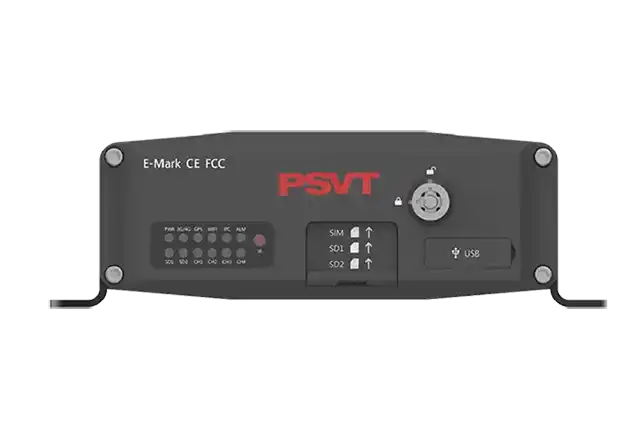
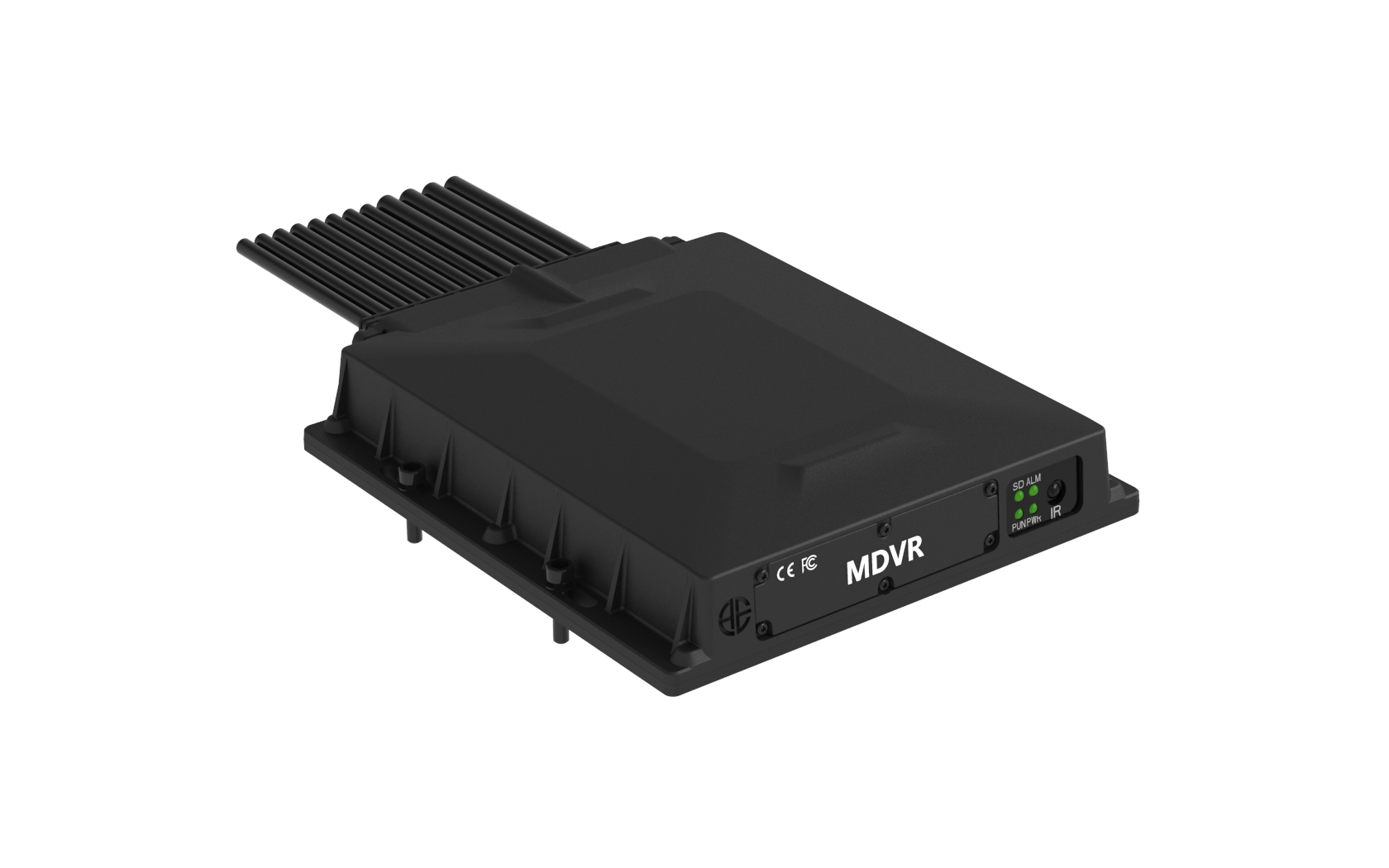
Integration is another critical factor. Fleets do not want isolated safety devices that create data silos. ADDW and DDAW should ideally connect with MDVR, AI dashcam, telematics, fleet management platforms, or vehicle safety control units. This allows ADDW and DDAW alerts to become part of a broader safety ecosystem, including video evidence, event reports, driver behavior analysis, and maintenance workflows.
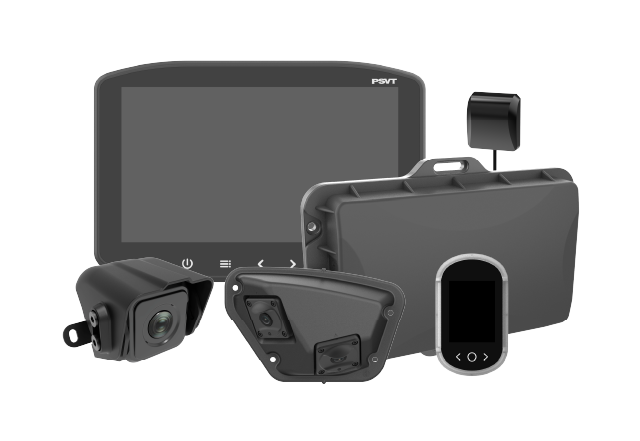
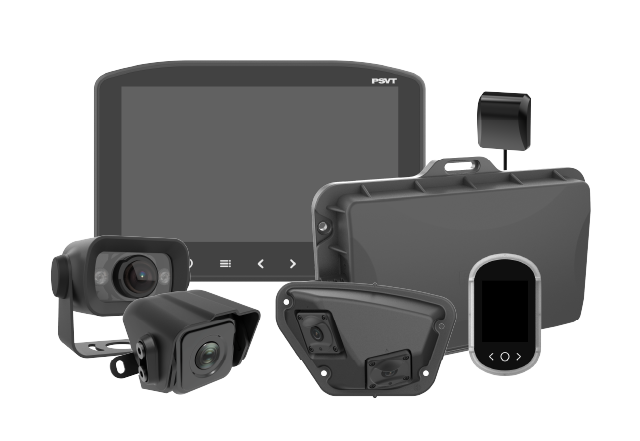
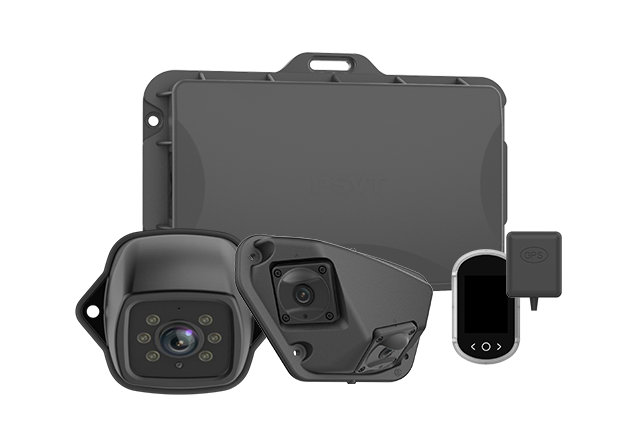
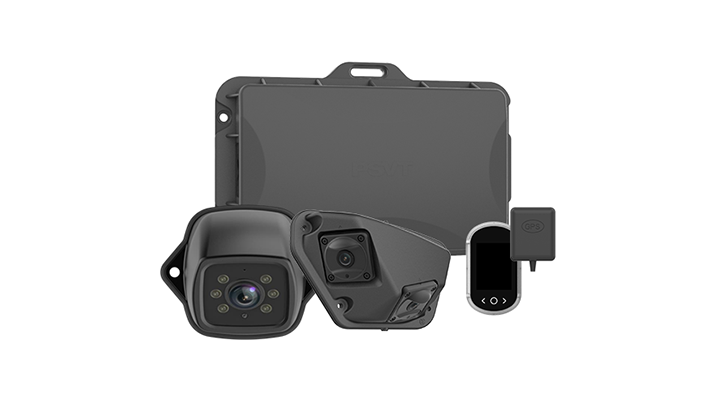
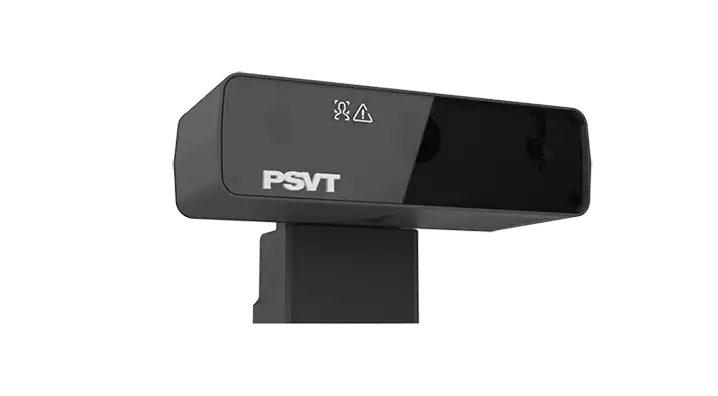
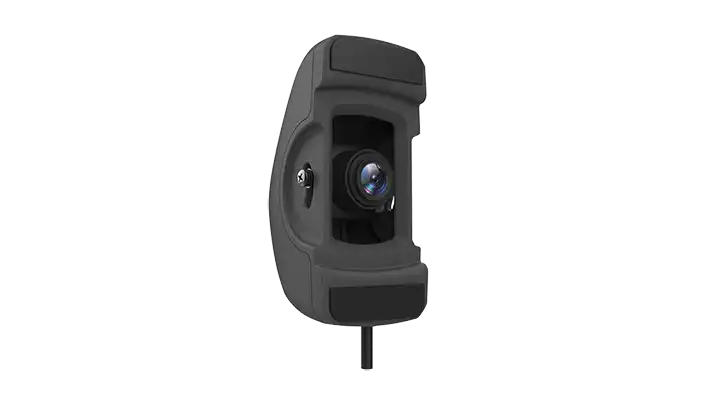
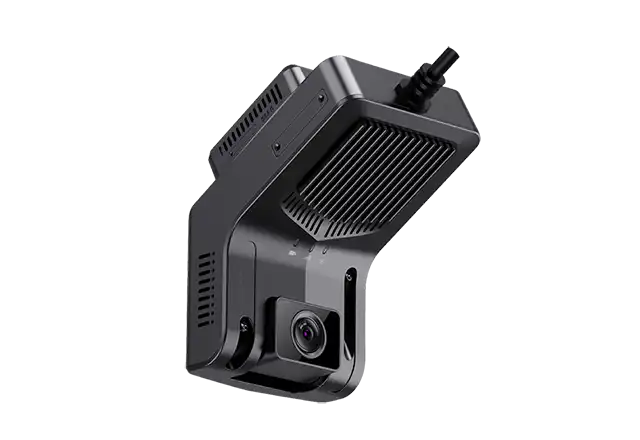
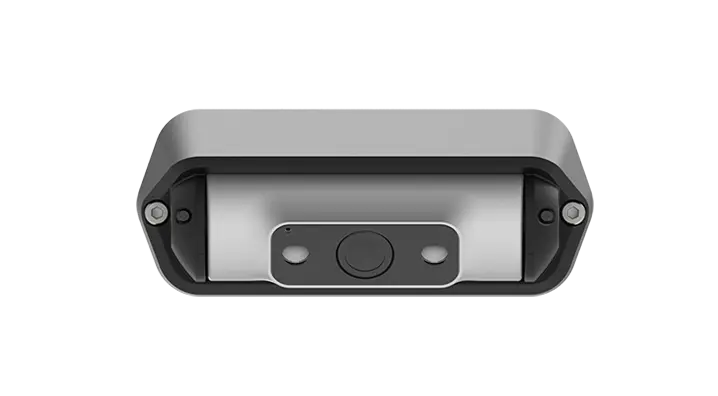
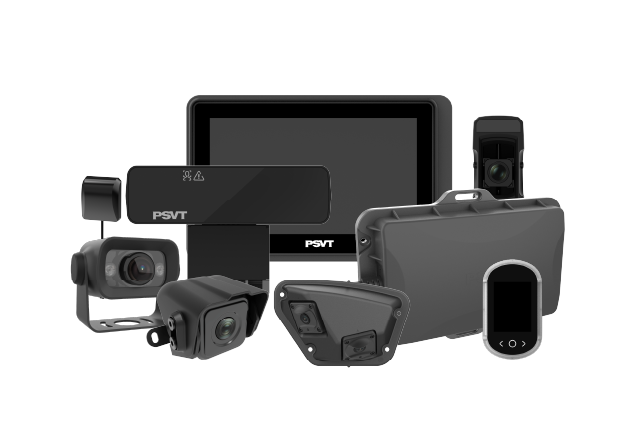
AUTOEQUIPS offers an AI Driver Monitoring System with DDAW and ADDW functions for EU GSR-oriented driver safety. The product page positions the system around DDAW and ADDW compliance support, real-time behavior detection, AI deep learning, vehicle-grade hardware, 1080P face recognition, integrated recording, audio output, and integration with vehicle systems or telematics platforms.
For fleets and commercial vehicle solution providers, AUTOEQUIPS’ ADDW and DDAW system is relevant because it combines multiple driver behavior detections in one platform. According to the AUTOEQUIPS product information, the system can detect driver drowsiness, phone calls, distractions, smoking, not wearing a seat belt, and other unsafe actions in real time. This makes the system more than a single-function DDAW device. It supports a wider driver monitoring strategy where ADDW and DDAW work together with other behavior alerts.
AUTOEQUIPS also highlights EU GSR 2021/1341 for DDAW and EU GSR 2023/2590 for ADDW on its product page. For B2B buyers, this positioning is important because many fleets, OEMs, and distributors want a product roadmap aligned with European safety requirements. A commercial vehicle customer may not only ask, “Can this system detect fatigue?” They may ask, “Can this system support our European market requirements, our future vehicle platform, and our long-term safety strategy?” This is where ADDW and DDAW become part of product planning, not just aftermarket accessories.
The product specifications also show several practical design points for commercial use, including 1920×1080 resolution, CAN support, AHD video input, CVBS video output, TF card storage, DC12V/24V rated voltage, and operating temperature from -20°C to 70°C. These details matter because ADDW and DDAW systems must be installed in real vehicles, not just demonstrated in a lab. For system integrators, body builders, and fleet equipment partners, hardware interface and environmental stability can directly affect installation cost, service quality, and after-sales reliability.
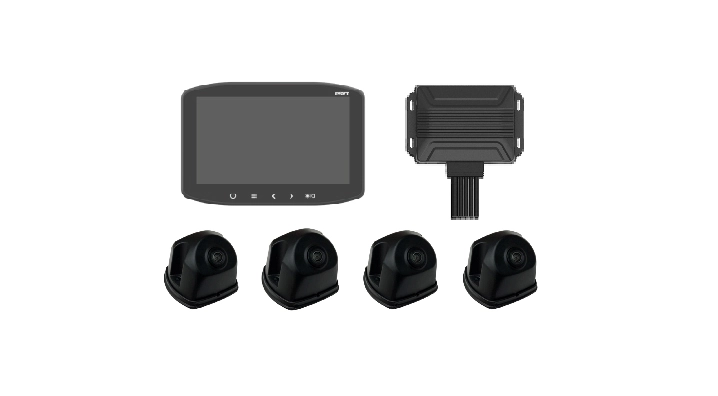
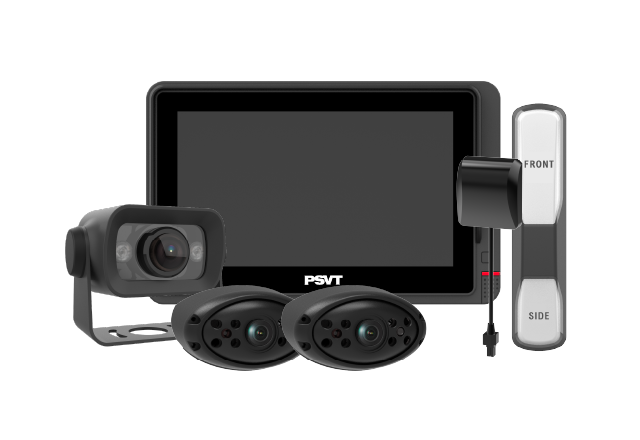
The next stage of fleet safety will not be built around one device. It will be built around integrated safety ecosystems. ADDW and DDAW can work together with AI dashcams, MDVR, blind spot detection, ADAS, intelligent speed assistance, and 360° surround view systems. For example, ADDW and DDAW monitor the driver, while ADAS monitors forward road risks, blind spot detection monitors vulnerable road users, and MDVR records events for review.
This ecosystem approach is important for commercial fleets because risk rarely comes from one source. A tired driver, a distracted driver, a cyclist in the blind spot, and a reversing hazard can all exist in the same operating day. ADDW and DDAW help close the in-cabin safety gap. When combined with external perception systems, the fleet gains both driver-state awareness and road-environment awareness.
For OEMs, ADDW and DDAW can also become part of platform-level vehicle intelligence. Instead of selling safety as separate add-ons, manufacturers can build packages around compliance, driver protection, vulnerable road user protection, and fleet data. For aftermarket distributors, ADDW and DDAW create opportunities to upgrade existing fleets that need better safety performance but cannot replace vehicles immediately.
Fleet buyers often ask whether ADDW and DDAW can generate measurable return on investment. The answer depends on the fleet’s risk profile, route type, driver behavior, accident history, and insurance environment. However, the business logic is clear: ADDW and DDAW help reduce the probability of high-cost safety events.
The ROI of DDAW may come from fewer fatigue-related incidents, better driver scheduling, and earlier intervention. The ROI of ADDW may come from reduced distraction events, improved driver discipline, and stronger evidence during incident review. When ADDW and DDAW are connected with recording or fleet management systems, managers can use data to support driver training and safety audits.
There is also a sales and brand ROI. Fleets that operate buses, coaches, dangerous goods vehicles, logistics trucks, or municipal service vehicles are under public scrutiny. Equipping vehicles with ADDW and DDAW sends a clear message: the company is investing in driver safety, passenger safety, road user protection, and compliance readiness. This can support tender participation, customer trust, insurance discussions, and corporate ESG narratives.
ADDW and DDAW are more than regulation-driven acronyms. They represent a shift in commercial vehicle safety from outside-only perception to inside-and-outside intelligence. DDAW helps identify fatigue and reduced alertness. ADDW helps identify distraction and loss of attention. Together, ADDW and DDAW create a practical foundation for safer drivers, safer fleets, and more intelligent commercial vehicles.
For OEMs, ADDW and DDAW can strengthen vehicle competitiveness in Europe-oriented projects. For fleet operators, ADDW and DDAW can reduce operational risk and improve driver management. For distributors and system integrators, ADDW and DDAW create a valuable product category that connects compliance, AI, driver behavior, and fleet safety.
As commercial vehicle safety continues to evolve, fleets should not wait until ADDW and DDAW become a last-minute compliance issue. The better strategy is to evaluate solutions early, test them in real operating conditions, integrate them with existing safety platforms, and build a driver monitoring roadmap. With solutions such as AUTOEQUIPS’ AI Driver Monitoring System, ADDW and DDAW can move from regulatory requirement to real-world safety advantage.