UN Regulation R151/R159/R158
View More

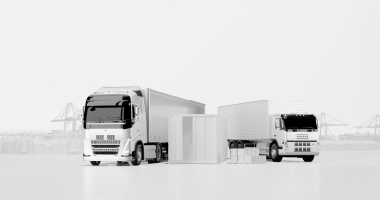
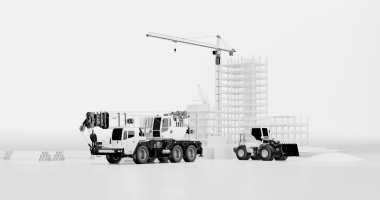
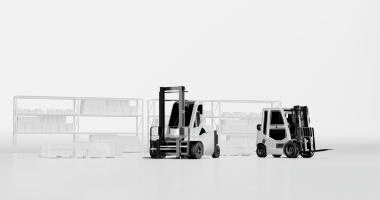
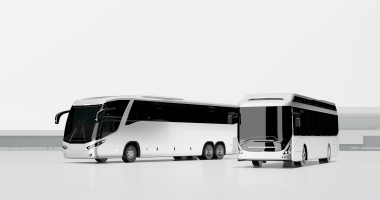





As the transportation industry rapidly embraces advanced safety technologies, from DDAW (Driver Drowsiness and Attention Warning) to sophisticated BSD (Blind Spot Detection), the focus on active collision prevention has never been sharper. Yet, regardless of how advanced the vehicle camera systems and sensors are, the final and most crucial link in the safety chain is the Human-Machine Interface (HMI).
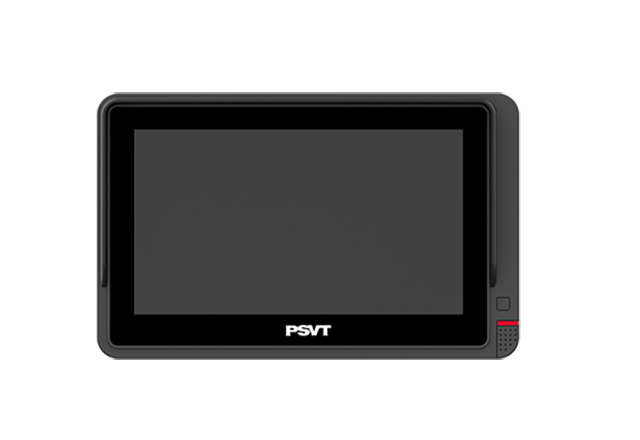
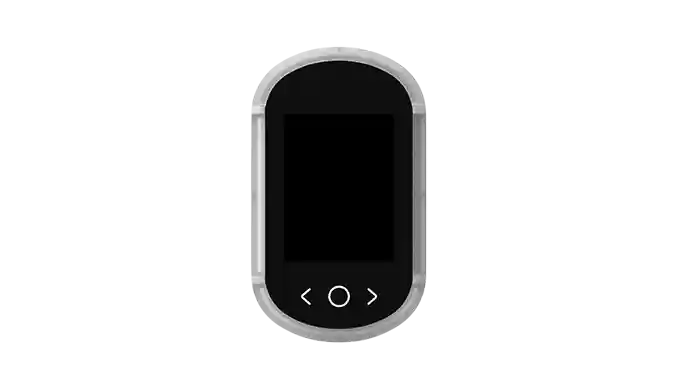
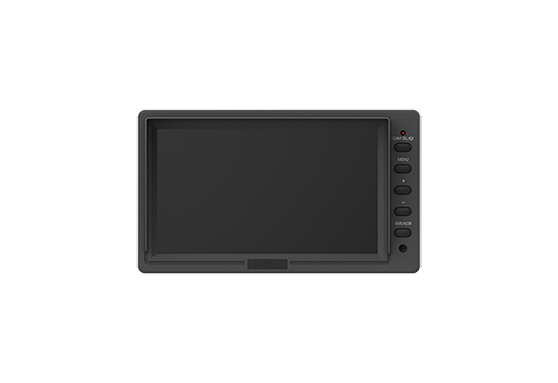
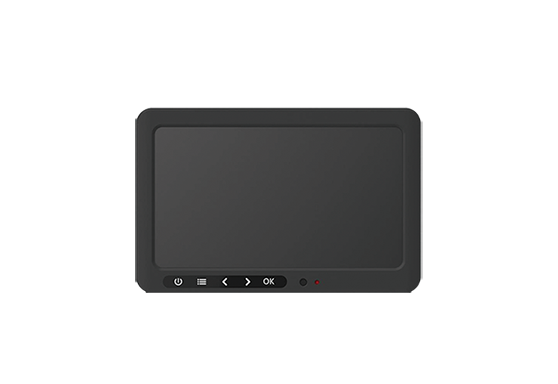
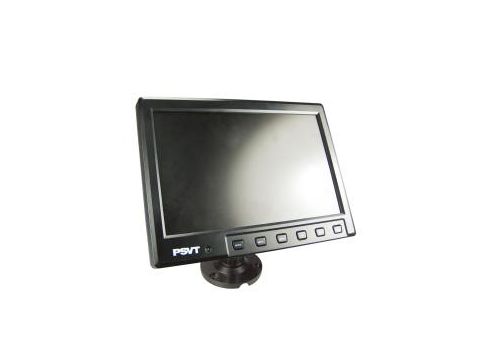
For heavy-duty fleets, a high-quality vehicle monitor serves as this indispensable visual terminal, translating complex sensory data into immediate, actionable visibility for the driver.
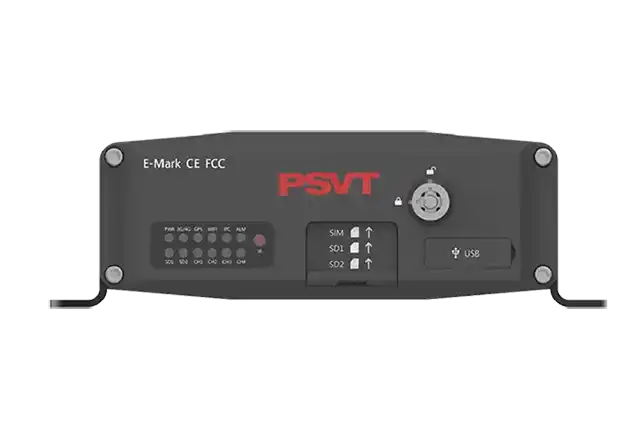
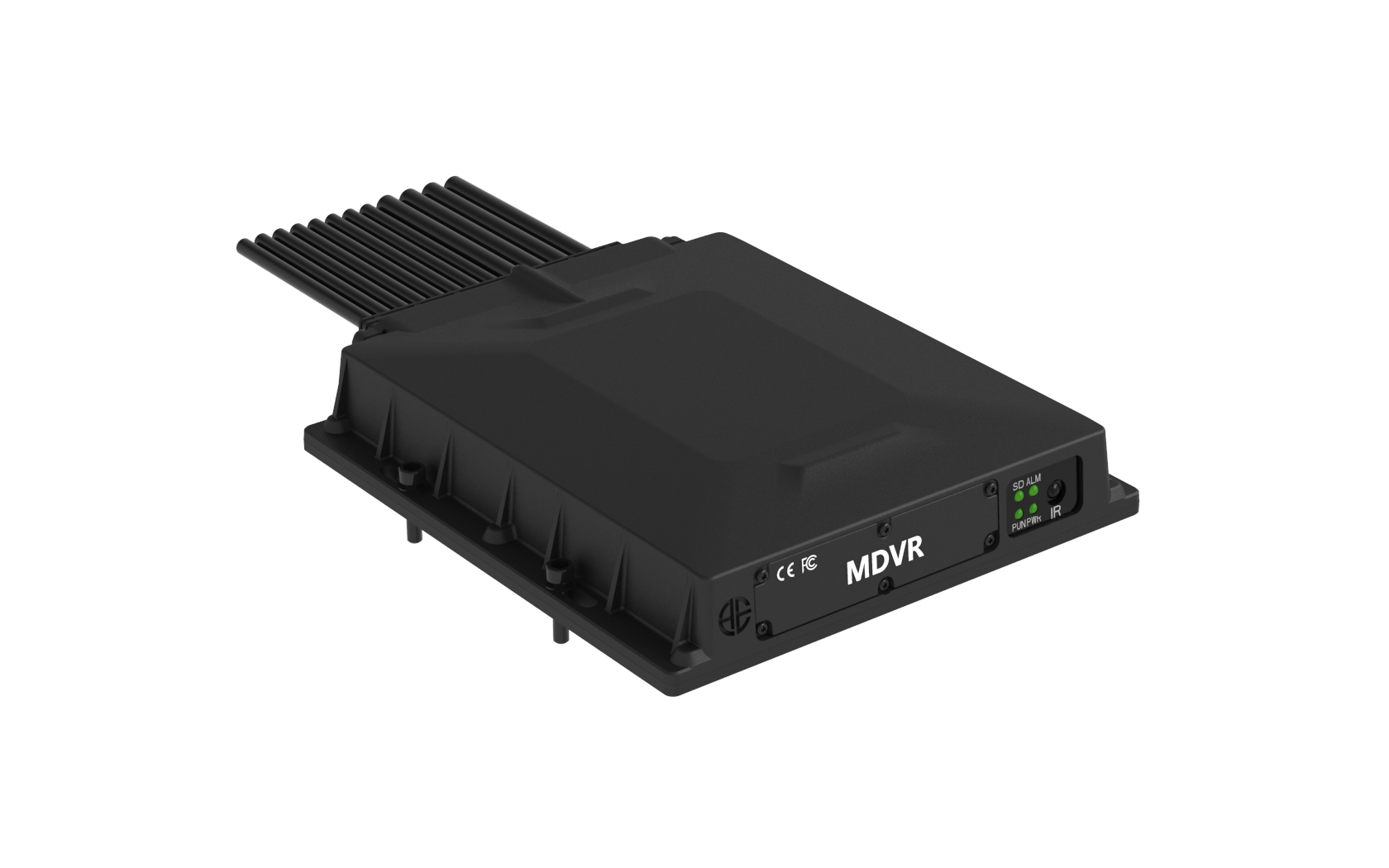
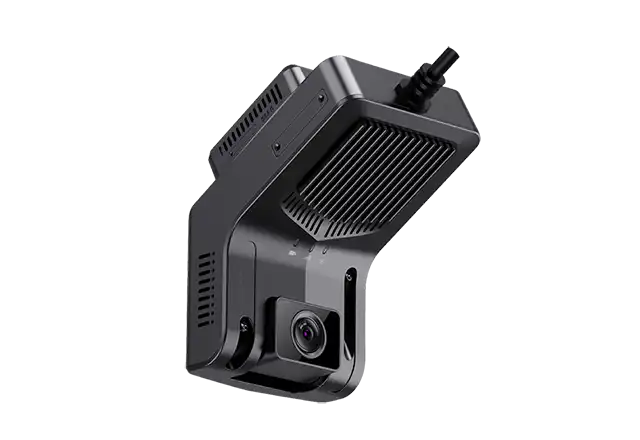
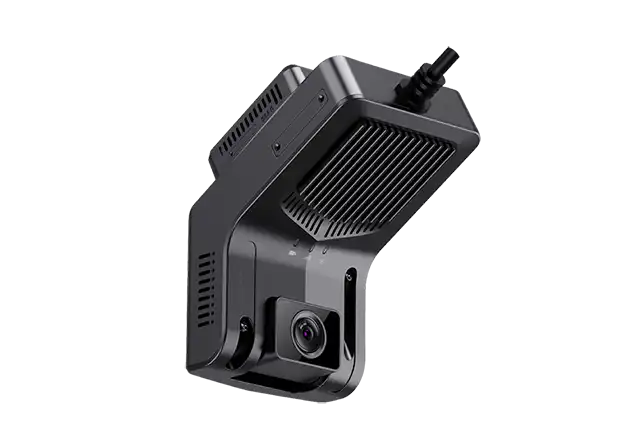
In modern fleet management, technologies like MDVRs (Mobile Digital Video Recorders) and Dash Cams are excellent for post-incident analysis, evidence collection, and remote fleet tracking. However, they are primarily recording devices. Real-time accident prevention requires a dedicated, in-cabin commercial vehicle display.
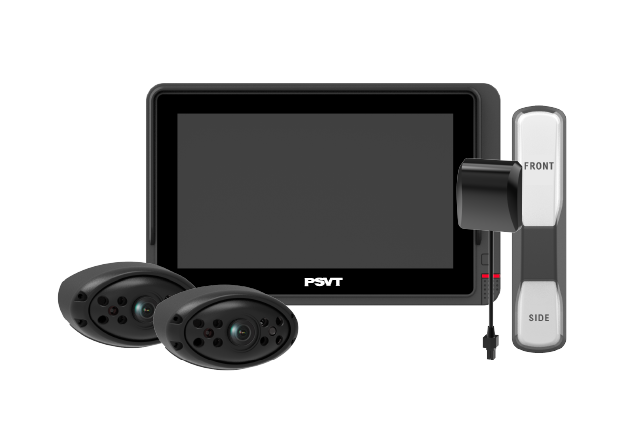
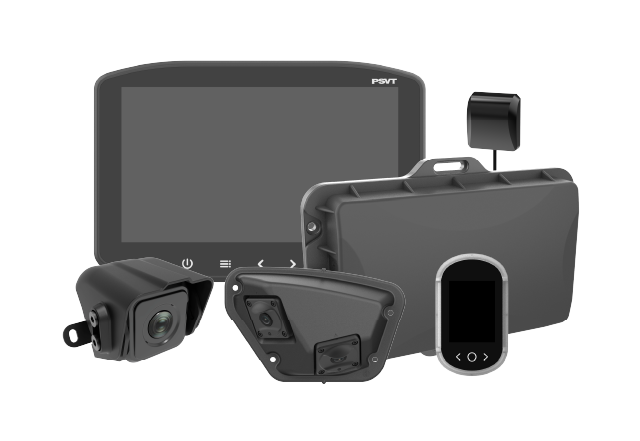
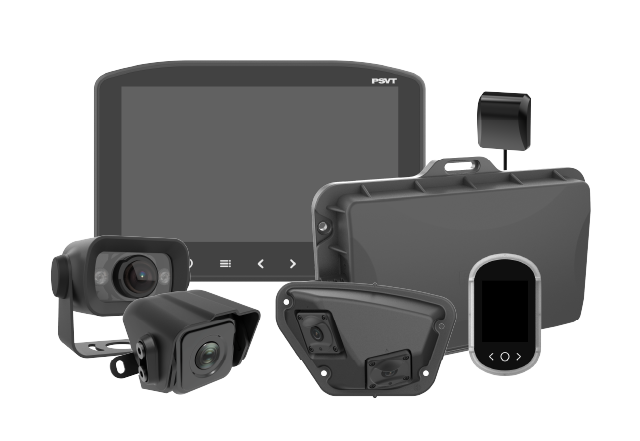
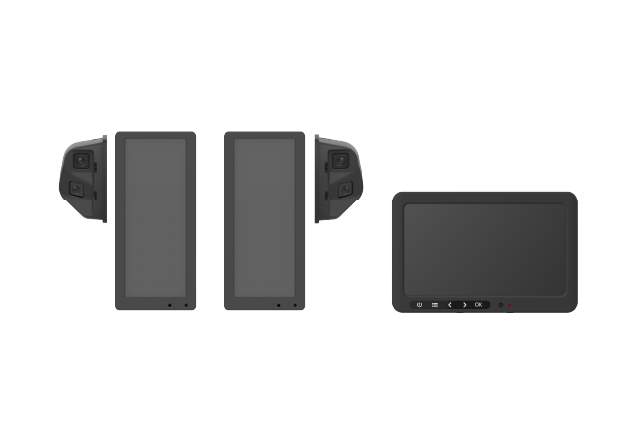
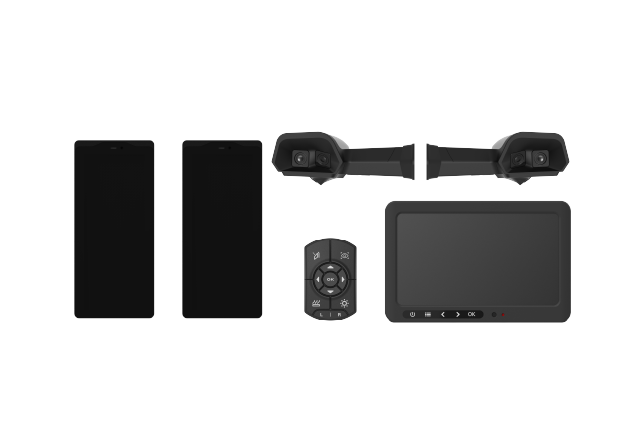
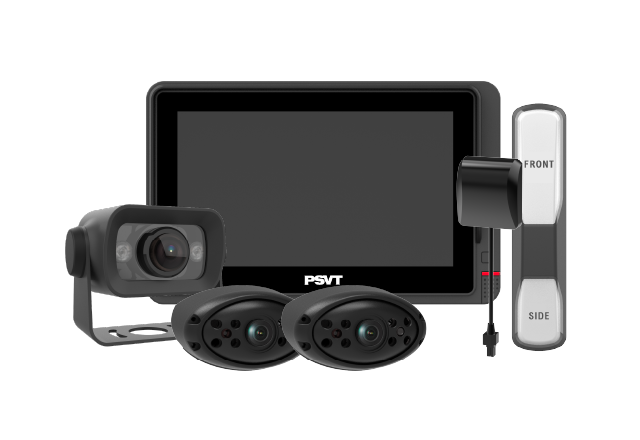
Vehicle monitor provide the perfect balance of screen real estate and unobtrusive dashboard mounting. It delivers an immediate, high-definition live feed of the vehicle's surroundings right into the driver's line of sight. This instant visual feedback is what empowers operators to brake, swerve, or adjust their maneuvers in milliseconds to avoid a collision, actively bridging the gap between passive recording and proactive safety.
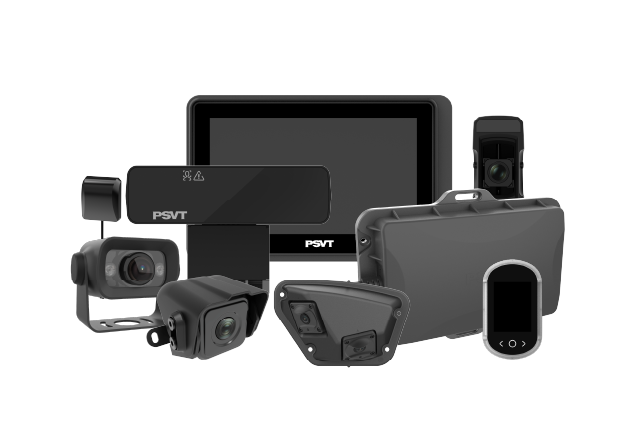
When executing fleet safety upgrades, system integrators and fleet managers must ensure that the chosen monitor integrates flawlessly with existing or newly installed multi-camera ecosystems. Here are the crucial features that define a professional-grade monitor:
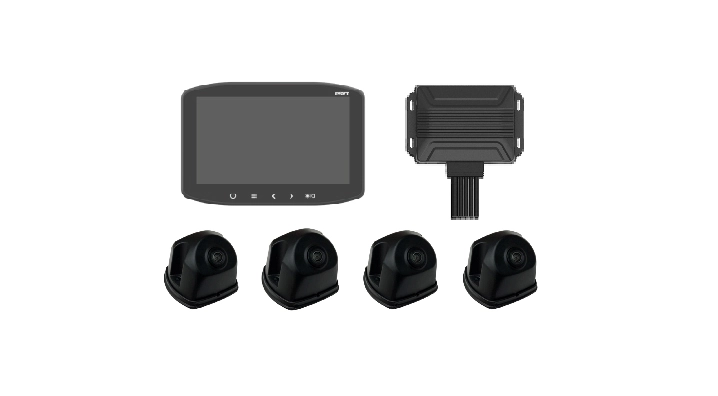
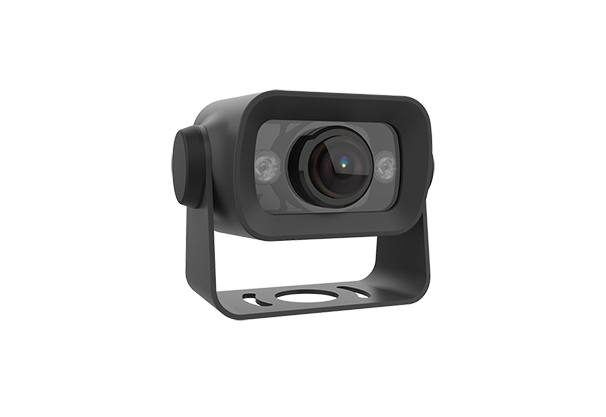
A professional monitor should act as a universal hub, supporting mixed signal inputs to accommodate a range of camera formats—from traditional CVBS to high-definition AHD, CVI, and TVI. Furthermore, it must support multi-channel inputs (such as 4CH configurations) with intelligent split-screen viewing options (e.g., quad-view, dual-view, or single-view). This versatility allows integrators to connect front, rear, and side cameras simultaneously, maximizing blind spot visibility without cluttering the cab with multiple screens.
In highway driving or complex reversing maneuvers with heavy payloads, video transmission delay can be fatal. Premium monitors process high-definition signals with near-zero latency. Delivering a live feed that perfectly matches the physical reality outside the cab is a non-negotiable standard for preventing accidents.
To minimize driver distraction, top-tier monitors incorporate intelligent features such as auto-dimming backlights that automatically adjust to ambient light, preventing night blindness or daytime washout. Intuitive OSD (On-Screen Display) menus and tactile, easy-to-reach buttons ensure that drivers can quickly switch camera views without taking their focus off the road.
A robustly engineered vehicle monitor is highly adaptable to various demanding commercial sectors:
Integrating generic, consumer-grade screens into a commercial fleet is a recipe for rapid system failure. Procurement managers must source strictly from a dedicated vehicle monitor supplier.
Specialized manufacturers understand the brutal commercial environment. They utilize industrial-grade internal components, apply specialized conformal coating to circuit boards to resist moisture and dust, and engineer advanced thermal dissipation designs to handle continuous operation in extreme heat. This level of purpose-built manufacturing guarantees that the monitor will not succumb to the harsh realities of heavy-duty use.
Upgrading your fleet with professional-grade vision systems is a strategic investment in safety, compliance, and operational efficiency. The commercial vehicle monitor stands at the very center of this ecosystem, turning advanced multi-camera data into lifesaving visibility. For system integrators and fleet managers seeking reliable, highly compatible, and rugged display solutions, contact AUTOEQUIPS to discover how our purpose-built monitors can seamlessly elevate your vehicle safety architecture.