UN Regulation R151/R159/R158
View More










A Wireless Camera System is becoming one of the most practical upgrades for commercial vehicle fleets that need better visibility, easier installation, and stronger driver support. Whether the vehicle is a truck, trailer, van, bus, forklift, agricultural machine, or construction vehicle, a Wireless Camera System helps drivers see more clearly around the vehicle without relying on complicated cable routing. For fleet managers, a Wireless Camera System is not only a safety device; it is also a tool for improving operational efficiency, reducing installation downtime, and supporting a more scalable fleet safety strategy.
Commercial vehicles operate in environments where visibility is often limited. A large truck may have wide blind spots along the side, a bus may need to monitor passengers and road users near the rear, and a forklift may operate in a warehouse aisle where pedestrians, pallets, and shelves create constant risk. In these situations, mirrors alone are not enough. A Wireless Camera System gives the driver a clearer view of areas that are difficult to monitor from the cab.
For many fleets, the challenge is not only visibility, but also installation complexity. Traditional wired camera systems often require long cable runs from the rear or side of the vehicle to the monitor. This can be time-consuming, especially on trailers, articulated vehicles, refrigerated vehicles, or machinery where routing cables is difficult. A Wireless Camera System reduces the need for long video cables, making installation faster and more flexible. This is why a Wireless Camera System is increasingly attractive for fleets with mixed vehicle types, seasonal equipment, or vehicles that cannot stay out of service for long.
Another important factor is driver workload. Commercial drivers already manage traffic, navigation, delivery schedules, customer sites, reversing, turning, and loading zones. A Wireless Camera System can provide real-time visual assistance at the exact moment the driver needs it. When properly installed, a Wireless Camera System supports safer reversing, lane changes, docking, turning, and low-speed maneuvering.
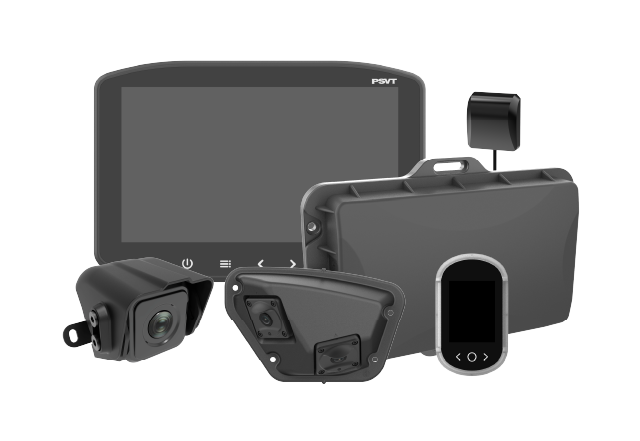
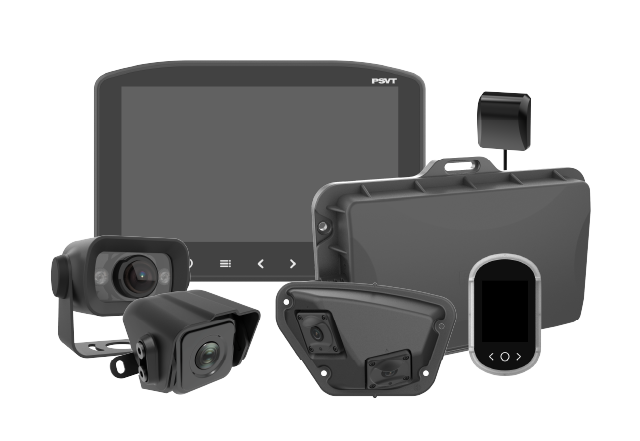
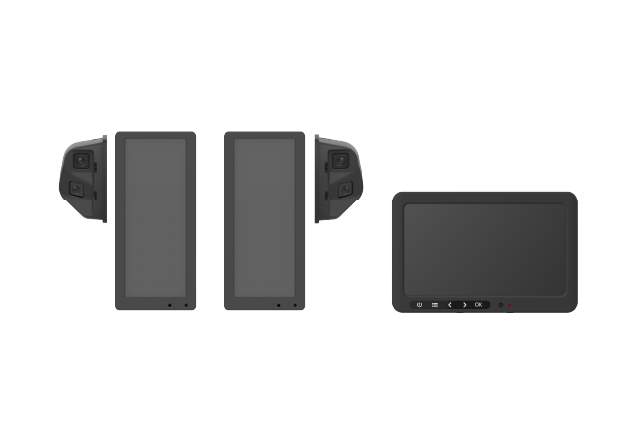
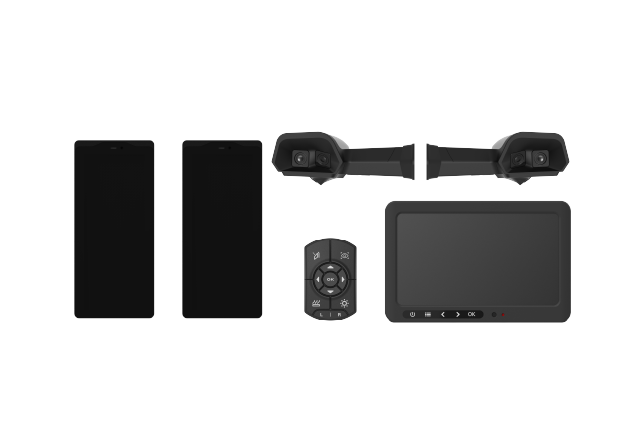
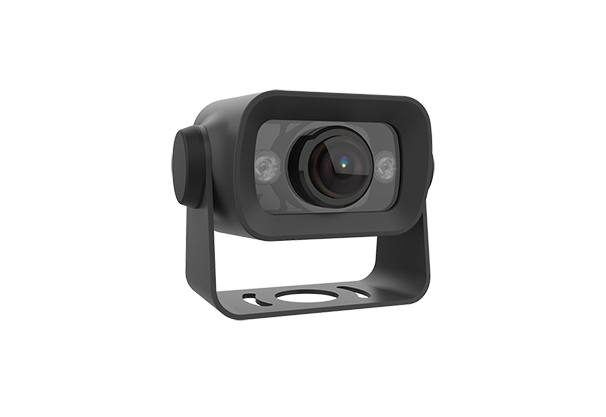
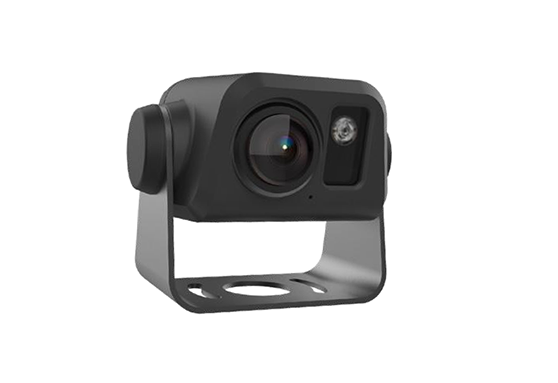
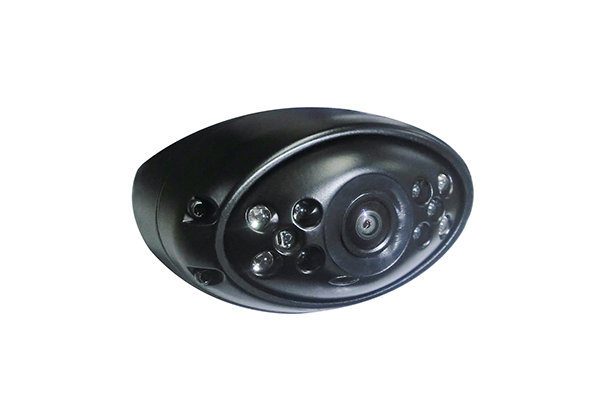
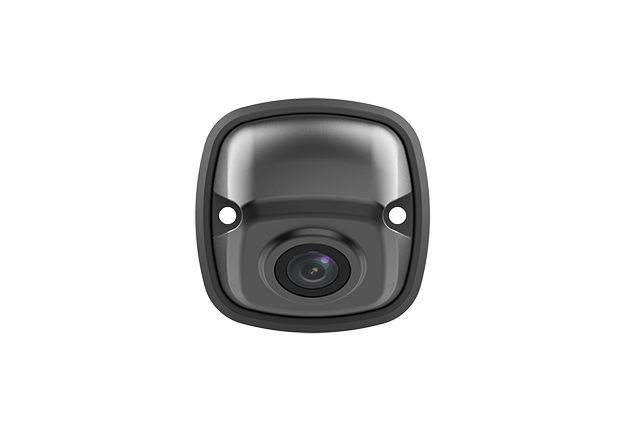
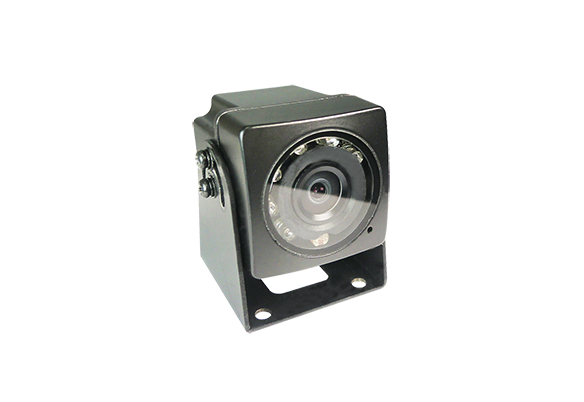
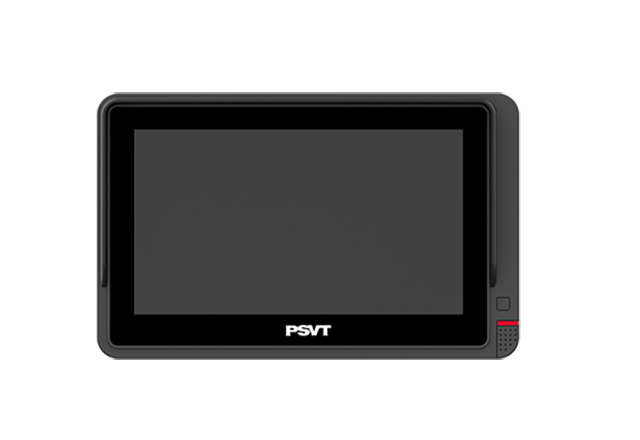
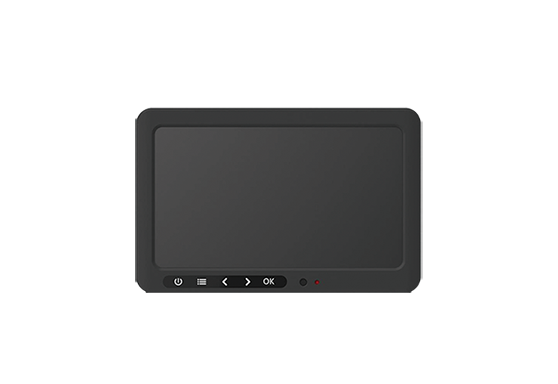
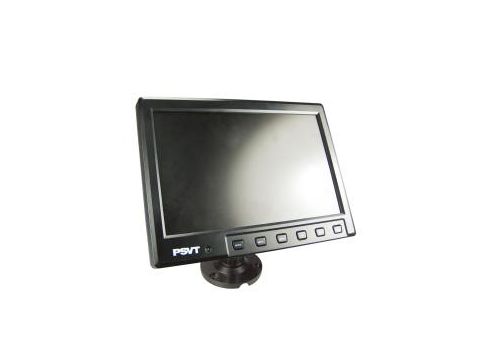
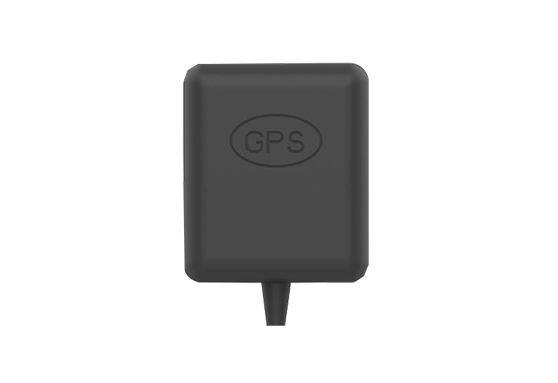
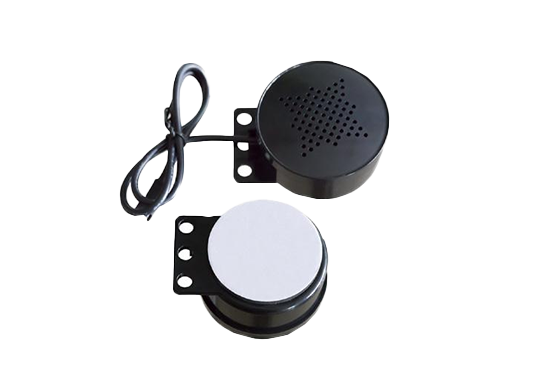
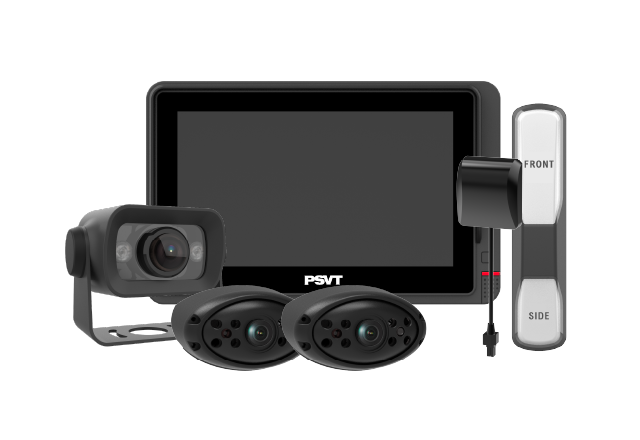
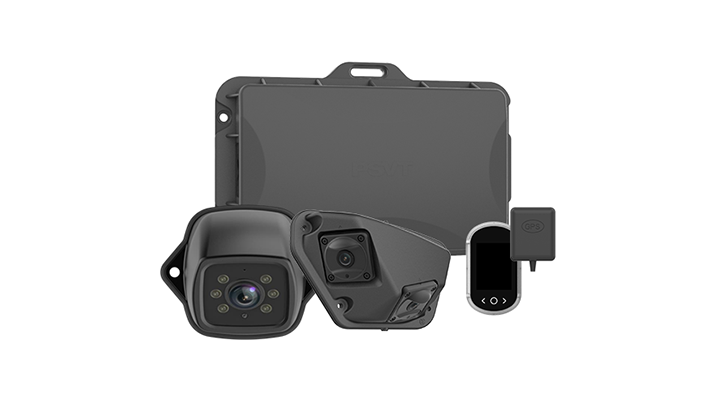
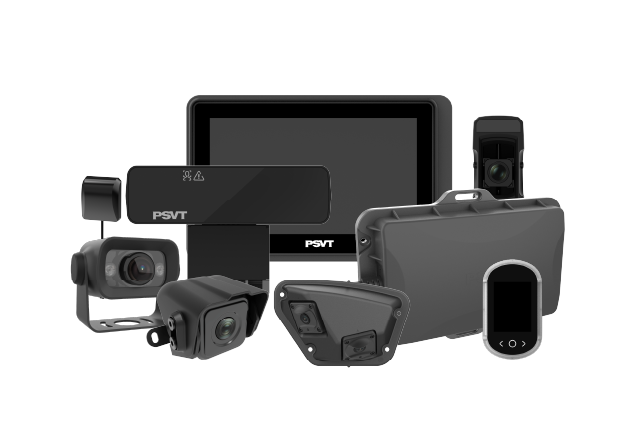
A Wireless Camera System is a vehicle camera solution that transmits video signals from one or more cameras to an in-cab monitor without using a long video cable between the camera and display. The camera still needs power, but the video transmission is wireless. In a commercial vehicle application, a Wireless Camera System usually includes one or more cameras, a monitor, antennas, wireless transmission modules, mounting brackets, power cables, and sometimes accessories such as extension antennas or recording devices.
The key value of a Wireless Camera System is flexibility. A fleet can install a rear camera on a trailer, a side camera on a truck body, or a camera on a forklift mast without the same level of wiring complexity required by a wired system. In practical fleet operations, a Wireless Camera System may be used as a reversing camera, side-view camera, cargo monitoring camera, docking assistance camera, trailer camera, or blind spot monitoring support tool.
A high-quality Wireless Camera System should deliver stable image transmission, low latency, strong anti-interference performance, and a rugged design suitable for commercial vehicle environments. Because commercial vehicles face vibration, dust, water, temperature changes, and long operating hours, the Wireless Camera System must be designed for reliability rather than only basic image display.
The first major benefit of a Wireless Camera System is installation efficiency. For fleets, time is money. Every hour a vehicle is unavailable for installation can affect delivery schedules, rental operations, route planning, or jobsite productivity. A Wireless Camera System helps shorten installation time by reducing the need for long cable routing. This is especially useful for trailers, tankers, refuse trucks, construction machinery, forklifts, and other vehicles where cable paths are difficult or exposed.
The second benefit is scalability. A fleet may start with a small number of vehicles and then expand the solution across more assets. A Wireless Camera System is easier to deploy across different vehicle platforms because it does not require the same cabling structure for every vehicle. This helps fleet managers standardize safety upgrades across trucks, vans, trailers, buses, and special-purpose vehicles.
The third benefit is improved driver confidence. Drivers often face pressure when reversing into loading bays, turning near pedestrians, or maneuvering in narrow spaces. A Wireless Camera System gives them an additional visual reference, helping them make safer and more confident decisions. In many operations, a Wireless Camera System can also reduce the need for a spotter, although companies should still follow their internal safety procedures.
The fourth benefit is reduced risk of vehicle damage. Collisions with loading docks, bollards, gates, forklifts, cargo, pedestrians, or other vehicles can be costly. Even a minor reversing accident can cause repair expenses, insurance issues, delivery delays, and customer complaints. A Wireless Camera System helps drivers detect obstacles earlier and avoid preventable incidents.
The fifth benefit is operational flexibility. A Wireless Camera System can be installed on detachable trailers, temporary vehicles, rental fleets, or equipment that changes configuration. For example, a logistics company may use different trailers with different tractors. A Wireless Camera System can support this type of operation by giving visibility without a fixed long-cable connection between every tractor and trailer.
For trucks, a Wireless Camera System is often used as a rear-view or side-view solution. Long vehicles have large blind spots, especially when reversing or turning. A Wireless Camera System can help drivers monitor the rear of the vehicle, the nearside area, or the loading zone. For box trucks and delivery vehicles, a Wireless Camera System can improve safety when stopping in urban areas or reversing into tight customer sites.
For trailers, a Wireless Camera System is particularly valuable because wiring between tractor and trailer can be complex. Long trailers, refrigerated trailers, flatbeds, and articulated combinations can benefit from rear-view visibility. A Wireless Camera System allows fleets to equip trailers with cameras without major structural changes.
For buses and coaches, a Wireless Camera System can help monitor rear areas, side areas, doors, passenger zones, and low-speed maneuvering spaces. Bus drivers often operate in crowded urban environments where pedestrians, cyclists, and passengers move close to the vehicle. A Wireless Camera System gives the driver another layer of visibility.
For forklifts, a Wireless Camera System is useful in warehouses, factories, logistics centers, and ports. Forklift operators often carry loads that block their forward view. A Wireless Camera System mounted near the fork, rear, or mast can help operators see pedestrians, pallet positions, aisle conditions, and nearby equipment. In busy warehouse environments, a Wireless Camera System can support safer material handling and reduce damage to goods.
For construction and agricultural machinery, a Wireless Camera System helps operators monitor blind areas around large equipment. Excavators, loaders, tractors, harvesters, cranes, and road maintenance vehicles often work in dusty, muddy, or harsh environments. A rugged Wireless Camera System can provide visibility around the machine without complicated cabling across moving parts.
When choosing a Wireless Camera System, fleet managers should first evaluate transmission stability. Commercial vehicles operate in environments with metal structures, other wireless signals, vibration, and long working distances. A reliable Wireless Camera System should maintain stable video even when the vehicle is moving, turning, or operating near other equipment.
Latency is another key factor. A Wireless Camera System used for reversing or maneuvering must show video quickly. If the image delay is too long, the driver may not receive useful real-time information. For safety-related use, a Wireless Camera System should provide low-latency video transmission so the driver can react in time.
Image quality is also essential. A Wireless Camera System should provide clear video in daylight, low light, rain, dust, and complex lighting conditions. Features such as wide viewing angle, infrared night vision, high resolution, and good dynamic range can improve usability. For commercial fleets, a Wireless Camera System must perform well not only in ideal conditions but also during early morning deliveries, night operations, bad weather, and indoor warehouses.
Durability should not be overlooked. A Wireless Camera System installed on a commercial vehicle must withstand vibration, water, dust, and temperature changes. Cameras with strong waterproof ratings, robust metal housings, and reliable connectors are better suited for demanding fleet environments. The monitor should also be bright, stable, and easy for drivers to read.
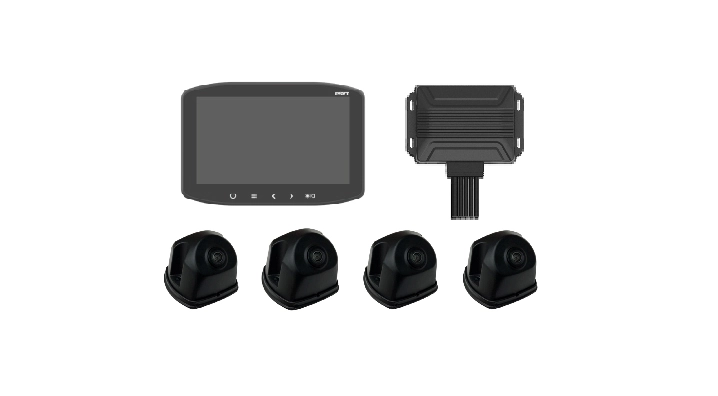
Expandability matters as well. Some fleets may need one camera, while others may require two, three, or four camera inputs. A Wireless Camera System that supports multiple cameras can cover the rear, side, front, cargo area, or special working zones. This makes the Wireless Camera System more valuable as fleet safety needs grow.
Both wired and wireless systems have a place in commercial vehicle safety. A wired system may be preferred when the fleet wants a fixed, permanent installation with maximum signal consistency. However, a Wireless Camera System offers advantages when installation speed, flexibility, and reduced cabling are important.
A Wireless Camera System is especially useful when the vehicle structure makes wiring difficult. Trailers, forklifts, construction machines, and long commercial vehicles often require significant labor for cable installation. A Wireless Camera System reduces this burden and can lower installation costs. It can also make maintenance easier because fewer long video cables are exposed to wear, bending, or damage.
That said, fleet managers should not choose a Wireless Camera System only because it is easy to install. They should evaluate transmission range, interference resistance, video delay, image quality, power supply design, and after-sales support. A professional-grade Wireless Camera System should be selected based on commercial vehicle requirements, not only consumer-level convenience.
A strong fleet safety strategy combines driver training, vehicle technology, operational procedures, and continuous improvement. A Wireless Camera System fits naturally into this strategy because it gives drivers better information at critical moments. When drivers can see blind spots more clearly, they can avoid many common low-speed incidents.
A Wireless Camera System also supports standardization. Fleet managers can define where cameras should be installed, how monitors should be displayed, and how drivers should use visual information during reversing, turning, docking, or loading. With proper training, a Wireless Camera System becomes part of the fleet’s daily safety behavior, not just an optional accessory.
For companies operating in urban delivery, public transport, logistics, construction, warehousing, waste collection, or agriculture, the safety value of a Wireless Camera System can be significant. It can help protect pedestrians, cyclists, workers, cargo, vehicles, and brand reputation. In B2B operations, safety performance is often linked to customer trust, insurance costs, contract requirements, and corporate responsibility.
Before purchasing a Wireless Camera System, B2B buyers should clarify the vehicle type, operating environment, number of cameras required, monitor size, mounting positions, power supply, transmission distance, and expected image quality. A Wireless Camera System for a warehouse forklift may require different features from a Wireless Camera System for a long-haul trailer or city bus.
Buyers should also consider supplier capability. A fleet-grade Wireless Camera System should come from a supplier that understands commercial vehicle applications. The supplier should provide installation guidance, technical documentation, product customization options, and responsive support. For large fleet projects, the Wireless Camera System may need to integrate with existing monitors, DVRs, telematics, or fleet safety platforms.
Another consideration is long-term availability. Fleets do not want to replace an entire system because accessories, cameras, or monitors are no longer available. A reliable Wireless Camera System supplier should offer stable product support, spare parts, and consistent quality control. This is especially important for distributors, installers, OEM partners, and fleet service providers.
The Wireless Camera System market is moving toward higher resolution, lower latency, smarter detection, and stronger integration with vehicle safety platforms. Future commercial vehicle solutions may combine a Wireless Camera System with AI object detection, recording, driver alerts, cloud fleet management, or local DVR storage. In this direction, a Wireless Camera System becomes more than a visibility tool; it becomes part of a connected safety ecosystem.
Another trend is multi-camera coverage. Fleets increasingly want full vehicle awareness, not only rear-view assistance. A Wireless Camera System that supports multiple camera channels can help create a more complete safety view. For mixed fleets, the ability to adapt one Wireless Camera System platform across several vehicle types will become a competitive advantage.
As fleet managers face rising safety expectations, driver shortages, higher insurance costs, and tighter delivery schedules, the Wireless Camera System will continue to gain importance. The best solutions will be those that combine easy installation, stable performance, rugged design, and practical safety value.
A Wireless Camera System is one of the most useful and flexible safety upgrades for commercial vehicles. It helps solve real fleet challenges: blind spots, installation complexity, vehicle downtime, driver pressure, and preventable low-speed accidents. From trucks and trailers to buses, forklifts, construction machinery, and agricultural vehicles, a Wireless Camera System can improve visibility and support safer daily operations.
For B2B buyers, the right Wireless Camera System should not be chosen only by price. It should be evaluated by transmission reliability, image quality, durability, expandability, installation efficiency, and supplier support. When selected and deployed properly, a Wireless Camera System can help fleets reduce risk, improve driver confidence, and build a stronger safety culture across the entire operation.