


Feature
UN Regulation R151/R159/R158
View More







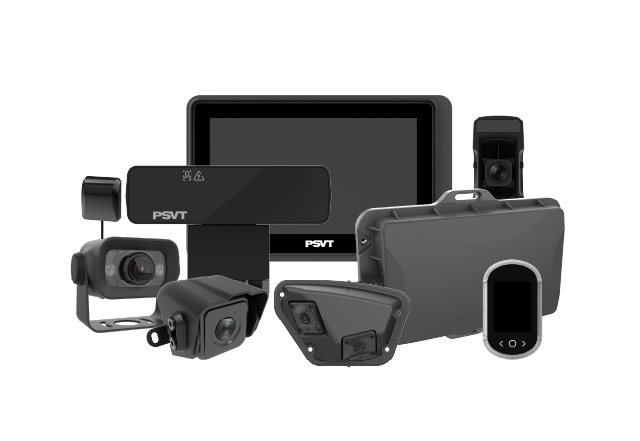
Commercial vehicle safety is entering a new era as intelligent vision technologies reshape how drivers perceive and interact with their surroundings. Traditional mirrors and conventional camera systems often struggle to provide comprehensive visibility around large vehicles, particularly during turning, reversing, parking, and low-speed maneuvering. The emergence of 360 AI AVM technology addresses these challenges by integrating panoramic imaging, artificial intelligence, blind spot detection, and video recording into an intelligent vehicle safety solution.
For commercial vehicle manufacturers, fleet operators, and transportation companies, adopting advanced surround view technology is not simply about improving driver visibility. It is also about reducing operational risks, protecting vulnerable road users, minimizing vehicle damage, and building a more efficient and sustainable fleet safety strategy.
As commercial vehicles become increasingly intelligent, surround view systems are evolving from passive visual assistance tools into integrated platforms capable of actively identifying potential hazards.
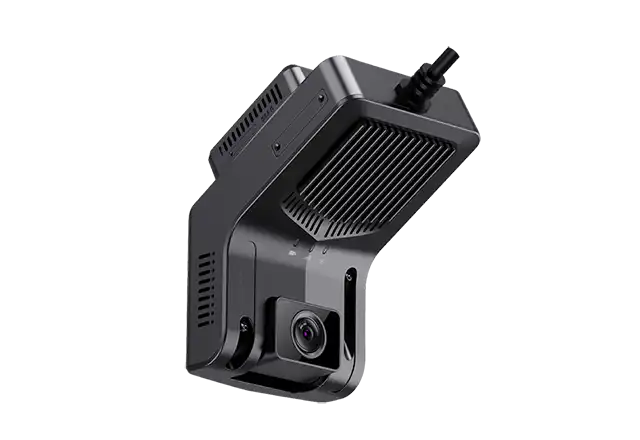
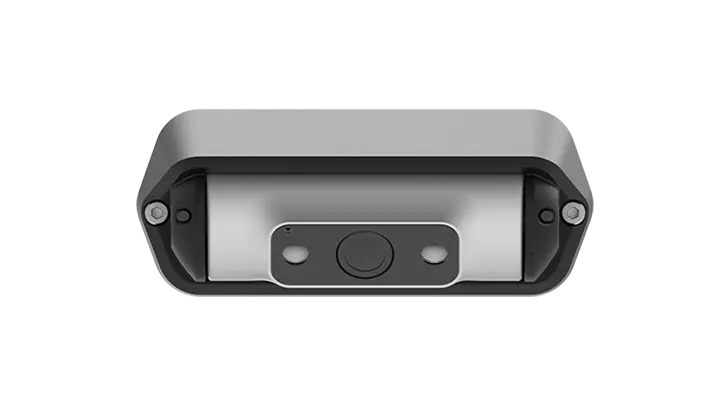
360 AI AVM, or AI-powered 360-degree Around View Monitoring, is an advanced vehicle vision technology that combines multiple high-definition cameras, image processing algorithms, and artificial intelligence to provide drivers with a comprehensive view of their vehicle's surroundings.
Unlike conventional reversing cameras or individual side-view cameras, an AI AVM system collects video feeds from multiple cameras installed around the vehicle. These images are processed, corrected, and stitched together to create a unified panoramic representation of the surrounding environment.
A typical AI-powered surround view system integrates several core technologies:
By combining visual information with intelligent detection capabilities, the system helps drivers identify potential hazards that may otherwise remain outside their direct field of vision.
This integration is particularly valuable for commercial vehicles, where large dimensions, elevated driving positions, complex body structures, and extended wheelbases can create substantial visibility challenges.
Commercial vehicles operate in environments that are significantly more demanding than those encountered by passenger cars. Heavy-duty trucks, buses, construction machinery, mining vehicles, and specialized vehicles frequently navigate crowded urban roads, confined industrial facilities, loading areas, and challenging worksites. Their size and structural characteristics create multiple blind spots that cannot always be adequately monitored through traditional mirrors.
Heavy-duty vehicles typically have significant blind spots around the front, rear, and sides. Pedestrians, cyclists, smaller vehicles, and obstacles may enter these areas without being immediately visible to the driver. The problem becomes more pronounced when vehicles operate in environments where people and machinery share limited space, such as warehouses, construction sites, ports, and logistics centers. An intelligent surround view system provides an additional layer of visual awareness, helping drivers monitor multiple critical areas simultaneously.
Turning and reversing are particularly challenging for long-wheelbase vehicles, semi-trailers, and articulated buses. During a turn, the rear wheels may follow a different trajectory from the front wheels, creating an inner turning area where pedestrians, cyclists, or stationary objects can be exposed to collision risks. A fixed camera view may not adequately represent the changing geometry of an articulated vehicle. Intelligent panoramic monitoring with dynamic view adjustment can help drivers better understand these changing surroundings.
Vehicle collisions can generate substantial expenses beyond immediate repair costs. Fleet operators may also face vehicle downtime, insurance claims, damaged cargo, operational delays, and administrative costs. Even relatively minor collisions in loading yards or parking facilities can interrupt daily operations and reduce fleet productivity. By improving situational awareness and supporting safer maneuvering, advanced surround view technology can contribute to a more comprehensive accident prevention and fleet risk management strategy.
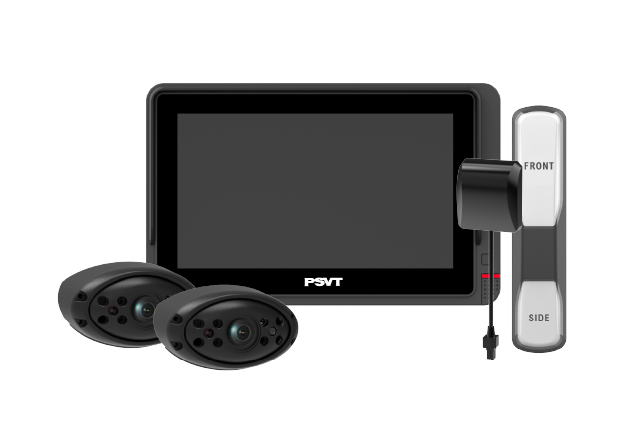
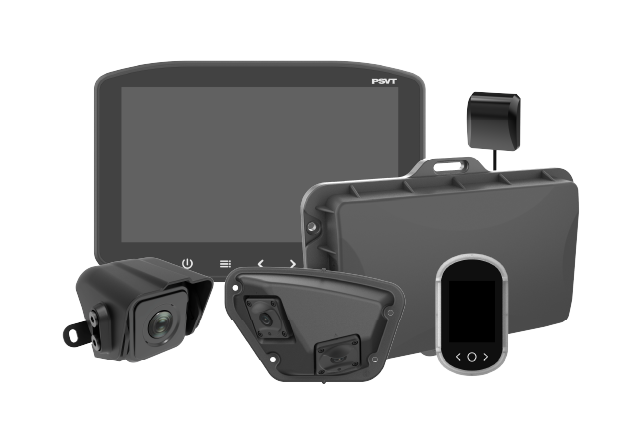
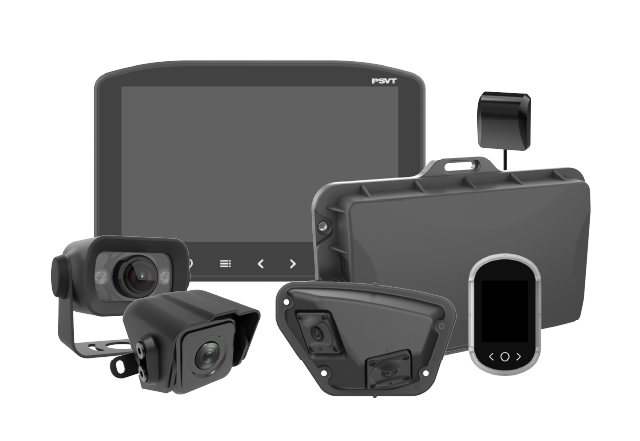
An intelligent AVM system relies on the coordinated operation of cameras, image processing hardware, artificial intelligence algorithms, and driver display interfaces. Its performance depends not only on the number of cameras installed but also on the quality of image processing, calibration accuracy, detection algorithms, and system integration.
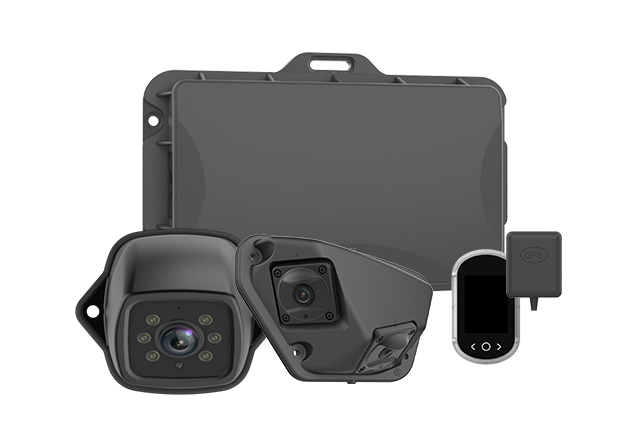
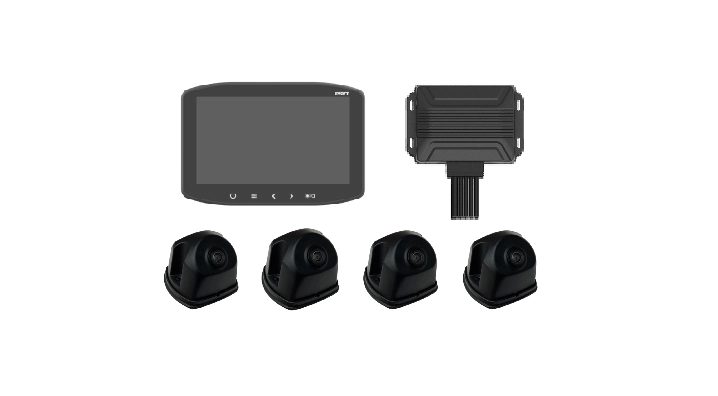
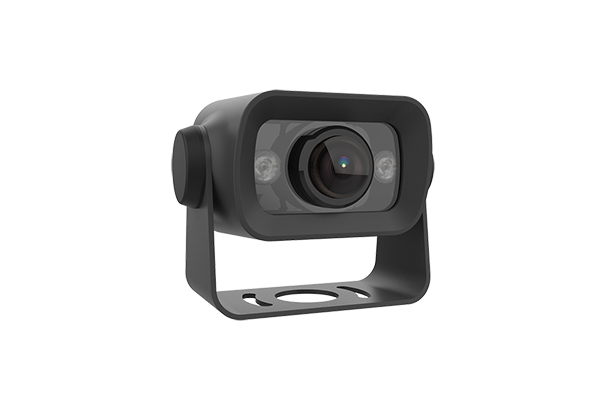
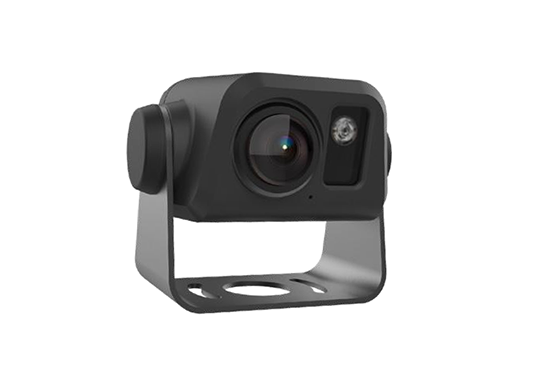
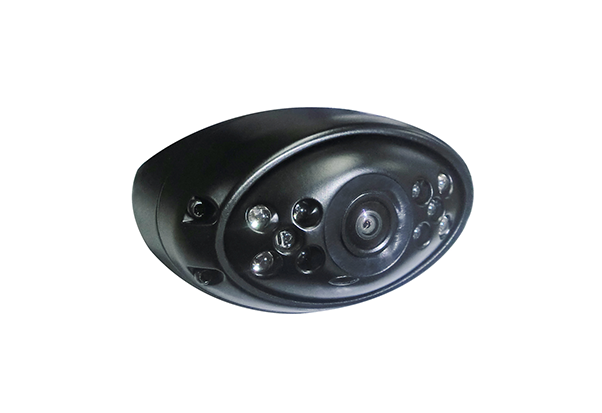
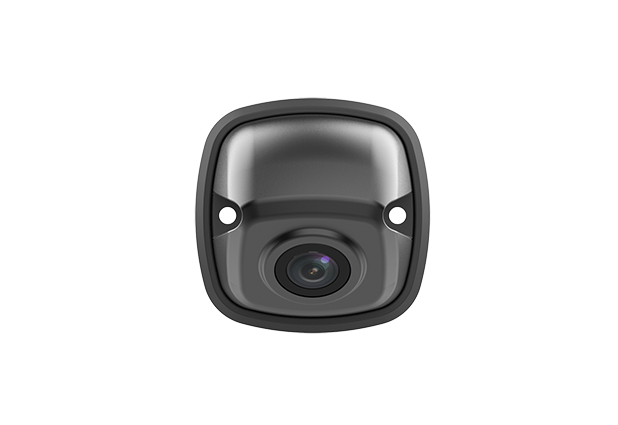
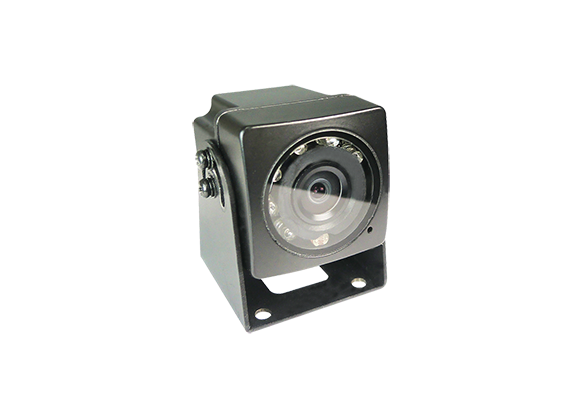
Cameras installed around the vehicle continuously capture images of the surrounding environment. Depending on vehicle dimensions and application requirements, systems may support four, six, or eight camera configurations. While four-camera configurations can be suitable for relatively compact vehicles, longer commercial vehicles may benefit from additional cameras to improve coverage along extended vehicle bodies. Flexible camera configurations allow OEMs and system integrators to develop solutions tailored to different vehicle structures rather than relying on a standardized installation approach.
Surround view cameras typically use wide-angle lenses to capture extensive areas around the vehicle. However, wide-angle imaging naturally introduces geometric distortion. Advanced image processing algorithms correct these distortions and transform individual camera images into a coordinated perspective suitable for panoramic visualization. Accurate distortion correction helps preserve the recognizable shapes of vehicles, pedestrians, road markings, and surrounding obstacles.
Different cameras may experience different lighting conditions, particularly when one side of a vehicle is exposed to direct sunlight while another remains in shadow. Gray-level compensation helps balance brightness differences between adjacent camera images, creating a more consistent panoramic view. This processing is particularly beneficial when vehicles operate near buildings, enter tunnels, move between indoor and outdoor environments, or work under uneven lighting conditions.
After distortion correction and brightness compensation, individual camera images are combined into a unified surround view. High-quality image stitching helps maintain the continuity of ground markings, improve object representation, and reduce visible discontinuities or ghosting near stitching boundaries. The resulting panoramic image enables drivers to better understand the spatial relationship between the vehicle and its surroundings.
AI algorithms analyze camera images to identify relevant road users and potential hazards within designated detection areas. Depending on system capabilities, these algorithms can recognize pedestrians, cyclists, and surrounding vehicles, providing visual or audible warnings when potential risks are detected. This transforms conventional panoramic monitoring into a more proactive driver assistance solution.
The value of a 360 AI AVM solution extends beyond providing a bird's-eye view. Modern systems combine multiple technologies to improve visibility, hazard awareness, operational flexibility, and incident management.
Different commercial vehicles require different levels of visual coverage. A standard four-camera configuration may provide sufficient coverage for smaller vehicles. However, extended vehicle bodies and complex structures often require six or eight cameras to improve visibility along the sides and around critical areas. For semi-trailers, articulated buses, mining trucks, and specialized vehicles, additional camera inputs can help reduce coverage gaps and improve panoramic image continuity when properly positioned and calibrated. Flexible configurations also enable vehicle manufacturers to standardize a common AVM platform across multiple vehicle models while adapting camera layouts to specific applications.
Conventional surround view systems generally use a fixed panoramic layout based on the vehicle's calibrated geometry. When an articulated vehicle turns, the relationship between the tractor, trailer, or articulated sections changes. This can create challenges in maintaining accurate panoramic coverage and image continuity. Dynamic View Panning technology adjusts the panoramic viewing area according to vehicle turning conditions, helping maintain a more complete surround view during maneuvering. For semi-trailers and articulated buses, this capability is especially valuable when navigating narrow roads, intersections, loading areas, and confined industrial environments. By improving visibility around changing vehicle structures, dynamic view panning helps address the limitations of conventional fixed-view systems.
A conventional surround view system depends primarily on drivers continuously observing the display. However, commercial vehicle drivers must simultaneously monitor road conditions, vehicle controls, traffic, and operational tasks. AI Blind Spot Detection (BSD) provides additional assistance by identifying relevant objects within configured monitoring zones. When a potential hazard is detected, the system can generate warnings to attract the driver's attention. Combining AI detection with panoramic visualization allows drivers to identify both the presence and relative location of potential hazards, supporting more informed decisions during vehicle operation.
Advanced AI AVM platforms can integrate additional driving assistance functions, including:
Integrating these capabilities into a single platform can simplify system architecture and reduce the need for multiple independent devices.
These features should be regarded as supplementary driver assistance functions. Regulatory compliance requires separate validation and applicable approvals.
Different driving situations require different visual perspectives. A 2D bird's-eye view provides a straightforward overview of the vehicle's surroundings, making it useful for parking, reversing, and confined-space maneuvering. A 3D surround view offers a more intuitive representation of the vehicle and its surrounding environment, helping drivers understand spatial relationships from alternative perspectives. Supporting both display modes allows commercial vehicle operators to select visual information appropriate to their operating conditions.
Integrating video recording into a surround view system creates additional value for commercial fleet management. Traditional AVM systems primarily focus on real-time visual assistance. However, combining panoramic monitoring with onboard video storage allows fleet operators to review vehicle operations and investigate incidents after they occur.
When a collision, near-miss event, or operational dispute occurs, recorded camera footage can provide valuable information about the surrounding circumstances. Multi-channel video recordings can help fleet managers reconstruct events, assess operational conditions, and support insurance or incident investigations. This is particularly beneficial when commercial vehicles operate in busy environments where multiple road users, vehicles, and obstacles are involved.
Recorded footage can also support driver training programs. Fleet managers can review challenging maneuvering situations, identify recurring operational risks, and develop practical training materials based on actual driving scenarios. Instead of relying exclusively on theoretical safety instructions, companies can use relevant recorded events to reinforce safe operating procedures.
Not every commercial vehicle requires continuous cloud connectivity. Vehicles operating in mining areas, remote construction sites, agricultural fields, or industrial facilities may experience limited network availability. An AVM system with local recording can continue providing panoramic monitoring, AI detection, and video storage without relying on a cloud platform. This approach offers a practical solution for fleets seeking independent vehicle safety functionality without mandatory recurring cloud service requirements.
The flexibility of intelligent surround view technology makes it suitable for a wide range of commercial vehicle applications.
Heavy-duty trucks frequently operate in congested logistics centers, distribution facilities, loading docks, and urban delivery environments. Panoramic monitoring helps drivers observe surrounding obstacles, nearby vehicles, and pedestrians during parking, reversing, and low-speed maneuvering. AI blind spot detection provides additional awareness when vulnerable road users enter designated monitoring zones.
Semi-trailers present unique visibility challenges because of their extended length and changing articulation angles. Multi-camera configurations combined with dynamic view panning can improve panoramic coverage during turning and maneuvering. These capabilities are particularly useful at narrow intersections, loading docks, container terminals, and distribution centers.
Public transportation vehicles operate in environments with frequent pedestrian and cyclist interactions. Surround view monitoring can assist drivers when approaching bus stops, navigating intersections, entering depots, and operating in crowded urban areas. For articulated buses, dynamic panoramic adjustment can provide additional visibility around changing vehicle geometry during turns.
Excavators, wheel loaders, dump trucks, and mining trucks frequently operate around workers, equipment, and uneven terrain. Large vehicle structures can significantly restrict direct visibility, creating additional risks during reversing, turning, and loading operations. AI-powered panoramic monitoring helps operators better understand the surrounding work environment and identify potential hazards within supported detection areas.
Fire trucks, sanitation vehicles, rescue vehicles, and other specialized commercial vehicles often operate in confined or unpredictable environments. Flexible camera configurations allow surround view systems to accommodate specialized vehicle bodies, equipment compartments, and operational requirements. Local video recording can further support incident documentation and operational review.
Although conventional AVM and AI-powered AVM systems both provide panoramic visualization, their capabilities and operational value can differ significantly.
|
Feature
|
Traditional AVM
|
Advanced AI AVM
|
|
Surround view monitoring
|
Supported
|
Supported
|
|
Camera configurations
|
Typically four cameras
|
Flexible 4/6/8-channel options
|
|
AI object recognition
|
Usually unavailable
|
Supported on compatible systems
|
|
Blind spot warnings
|
Usually unavailable
|
AI-powered warnings
|
|
Panoramic view adjustment
|
Typically fixed
|
Dynamic view panning available
|
|
Driving assistance
|
Limited
|
BSD, FCW, LDW and PAS options
|
|
Video recording
|
Optional or external
|
Integrated recording available
|
|
Calibration
|
Conventional calibration
|
Wireless web-based calibration available
|
|
Articulated vehicle adaptability
|
Limited on fixed-view systems
|
Enhanced with compatible dynamic processing
|
|
Safety approach
|
Passive visual assistance
|
Visual assistance with active hazard warnings
|
Actual capabilities vary depending on the manufacturer, hardware configuration, software algorithms, and installation conditions. The primary advantage of advanced AI-powered AVM is its ability to combine panoramic visualization with intelligent detection and additional safety functions within a unified platform.
Selecting an appropriate 360 AI AVM system requires more than comparing camera resolution or the number of supported channels. Fleet operators, OEMs, and system integrators should evaluate overall system performance and its suitability for specific vehicle applications.
A high-quality surround view system should provide clear images, accurate geometric representation, consistent brightness, and reliable panoramic stitching. Performance should be evaluated under different operating conditions, including nighttime driving, strong sunlight, uneven lighting, and confined environments. Particular attention should be paid to ground marking continuity, object distortion, and ghosting near image stitching boundaries.
Commercial vehicles vary significantly in length, width, height, body structure, and operating conditions. A scalable AVM platform with flexible camera configurations enables manufacturers and fleet operators to adapt the system to different vehicle types without completely redesigning the safety architecture. For articulated vehicles, dynamic panoramic adjustment should also be considered.
AI detection capabilities should be evaluated according to supported object categories, detection zones, warning mechanisms, and real-world operating conditions. Reliable warning performance is important because excessive false alarms may reduce driver confidence, while missed detections can limit the effectiveness of the assistance system. Fleet operators should conduct practical validation using representative vehicles and operating environments.
Installation complexity can significantly influence the total cost of deploying a surround view system across a commercial fleet. Wireless web-based calibration, one-click calibration tools, and flexible configuration options can help simplify installation and commissioning. Efficient calibration is especially important for vehicle OEMs and distributors managing multiple vehicle models and installation projects.
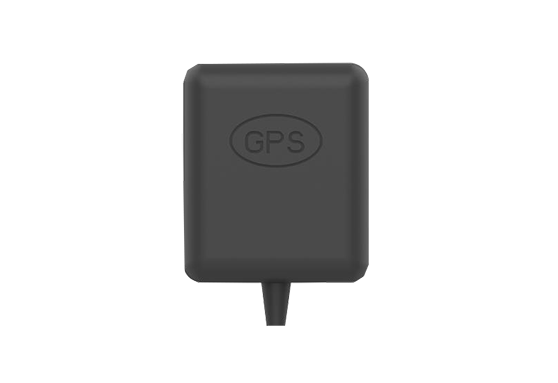
Commercial vehicle safety systems must accommodate demanding operating environments and vehicle electrical architectures. Compatibility with CAN Bus, digital I/O signals, external GPS modules, and appropriate vehicle displays should be considered during system selection. Environmental resistance, vibration tolerance, operating temperature, and long-term hardware reliability are also important evaluation criteria.
As commercial vehicle safety technology continues to evolve, surround view systems are expected to become increasingly intelligent, adaptable, and integrated with broader vehicle electronic architectures. Future developments may include improved AI recognition, enhanced object tracking, more sophisticated dynamic stitching, sensor fusion, and deeper integration with vehicle control systems. The growing demand for operational efficiency will also encourage manufacturers to consolidate multiple safety functions into unified platforms. Rather than installing separate devices for panoramic monitoring, blind spot detection, driving assistance, and video recording, commercial vehicle manufacturers may increasingly adopt integrated solutions that simplify hardware architecture and installation.
For fleet operators, this transition represents an opportunity to improve safety management while controlling equipment complexity and long-term operational costs.
Intelligent AVM technology will continue to play an important role in supporting safer interactions between commercial vehicles, vulnerable road users, and surrounding environments.
360 AI AVM represents an important advancement in commercial vehicle safety, combining comprehensive panoramic visualization with artificial intelligence, intelligent hazard detection, dynamic view adjustment, and integrated video recording.
For heavy-duty trucks, articulated vehicles, buses, construction machinery, and specialized vehicles, these technologies can help address visibility challenges that traditional mirrors and fixed-view camera systems cannot fully resolve. Choosing an advanced surround view platform with flexible camera configurations, high-quality image stitching, reliable AI detection, and efficient calibration can support both vehicle safety and fleet operational efficiency.
It is an AI-powered Around View Monitoring system that combines multiple vehicle cameras, panoramic image stitching, and intelligent object detection to provide drivers with comprehensive visual awareness and potential hazard warnings.
Traditional AVM primarily provides panoramic visualization. AI AVM adds intelligent object recognition, blind spot detection, and warning functions, enabling the system to actively assist drivers in identifying potential hazards.
The required number depends on vehicle dimensions, body structure, and coverage requirements. Four cameras are common for standard applications, while six- or eight-camera configurations can provide improved coverage for longer and more complex commercial vehicles.
A six-camera system can provide additional coverage along extended vehicle bodies, helping reduce potential coverage gaps and improve panoramic stitching. Its actual effectiveness depends on camera placement, lens specifications, and calibration quality.
Dynamic View Panning is a technology that adjusts the panoramic viewing area according to vehicle turning conditions. It is particularly beneficial for semi-trailers and articulated vehicles, where changing vehicle geometry can affect surround view continuity.
Yes. Compatible AI-powered surround view systems can detect pedestrians, cyclists, and vehicles within configured monitoring areas and provide warnings based on supported detection algorithms and operating conditions.
Yes. Advanced systems integrate local video recording with panoramic monitoring and AI detection. Recorded footage can support incident investigation, operational review, and driver training.
Not necessarily. Standalone AI AVM systems can provide panoramic monitoring, AI detection, and local video recording without internet connectivity. Wireless calibration may require a local Wi-Fi connection but does not necessarily require internet access.
Yes. Compatible aftermarket systems can be installed on existing commercial vehicles, provided that camera mounting locations, electrical compatibility, display interfaces, and calibration requirements are properly evaluated.
No. AI AVM functionality does not automatically establish compliance with UNECE regulations such as R151, R159, or R158. Regulatory compliance must be demonstrated through the applicable technical requirements, testing procedures, and approval processes.
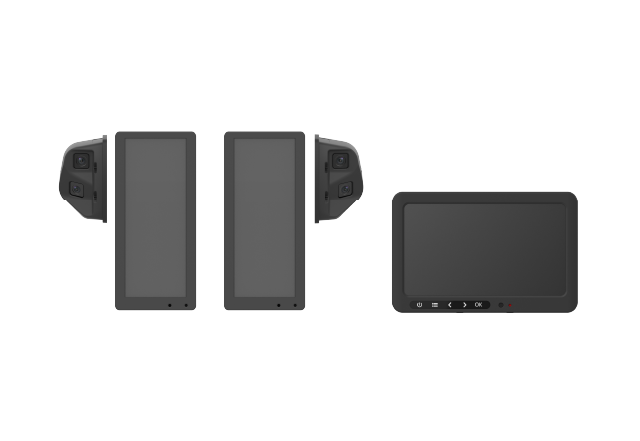
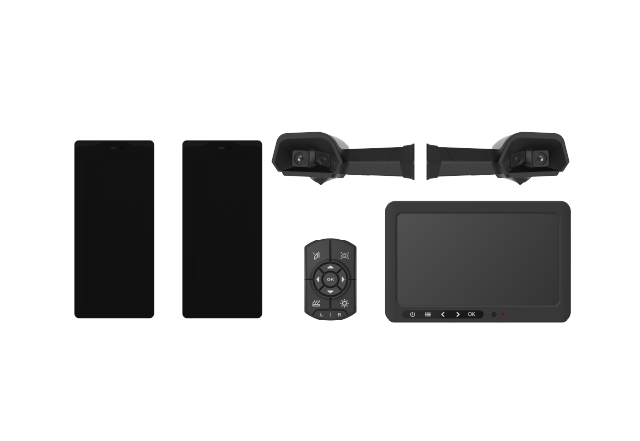
A conventional AVM system should not be considered a direct replacement for legally required rearview mirrors. Mirror replacement generally requires an appropriately approved Camera Monitor System (CMS) that meets applicable regulatory requirements.
AI AVM technology is suitable for heavy-duty trucks, semi-trailers, buses, articulated buses, mining trucks, construction machinery, sanitation vehicles, emergency vehicles, and other specialized commercial vehicles.