UN Regulation R151/R159/R158
View More







For modern commercial fleets, visibility is no longer just a driver convenience. It is a core safety requirement. A 360 Birds Eye View Camera System gives drivers a complete top-down view around the vehicle, helping them see blind spots that mirrors alone cannot cover. Whether used on trucks, buses, vans, construction vehicles, logistics fleets, or special-purpose vehicles, a 360 Birds Eye View Camera System can reduce collision risks, improve low-speed maneuvering, and support safer daily operations in complex traffic environments.
Commercial vehicles are larger, heavier, and harder to maneuver than passenger cars. Their blind spots are wider, their turning paths are more complex, and their operating environments are often more demanding. A 360 Birds Eye View Camera System addresses these challenges by combining multiple wide-angle cameras into one stitched panoramic image. Instead of checking several mirrors or separate camera screens, the driver can view the vehicle and its surroundings from a single, intuitive perspective.
A 360 Birds Eye View Camera System is an advanced vehicle vision solution that uses several cameras installed around the vehicle, usually at the front, rear, left, and right sides. These cameras capture real-time images from different angles. The system then processes, corrects, and stitches these images into one seamless overhead view. The result is a visual display that looks as if the vehicle is being viewed from above.
For fleet operators, the value of a 360 Birds Eye View Camera System is simple: it helps drivers understand what is happening around the entire vehicle. This is especially important during reversing, parking, turning, lane changes, loading-zone operation, narrow-road driving, and crowded urban delivery scenarios. In these moments, even a small blind spot can create a serious safety risk.
Unlike a traditional rear-view camera, a 360 Birds Eye View Camera System does not focus on only one direction. It provides all-around awareness. This makes it suitable for vehicles that frequently operate in tight spaces, such as city buses, heavy trucks, garbage trucks, tankers, trailers, school buses, forklifts, fire trucks, ambulances, mining vehicles, and construction machinery.
Fleet safety is becoming more complex. Drivers must deal with pedestrians, cyclists, scooters, motorcycles, loading docks, warehouse yards, narrow streets, and high-pressure delivery schedules. A 360 Birds Eye View Camera System helps reduce the visual burden on the driver by presenting surrounding information in a clearer and more organized way.
For logistics fleets, a 360 Birds Eye View Camera System can help reduce minor collisions during reversing and parking. These small accidents may not always cause injuries, but they can create repair costs, insurance claims, vehicle downtime, customer delays, and driver stress. Over time, these costs can become significant.
For bus and coach operators, a 360 Birds Eye View Camera System helps improve safety around stops, terminals, depots, and urban intersections. Large passenger vehicles often operate close to pedestrians and cyclists. Better visibility can help drivers make safer decisions when pulling away, turning, or approaching crowded areas.
For construction and industrial fleets, a 360 Birds Eye View Camera System provides better awareness in environments where workers, equipment, and vehicles move at the same time. Dust, noise, large machine bodies, and irregular site layouts can make direct visibility difficult. A panoramic camera view gives operators an extra layer of visual support.
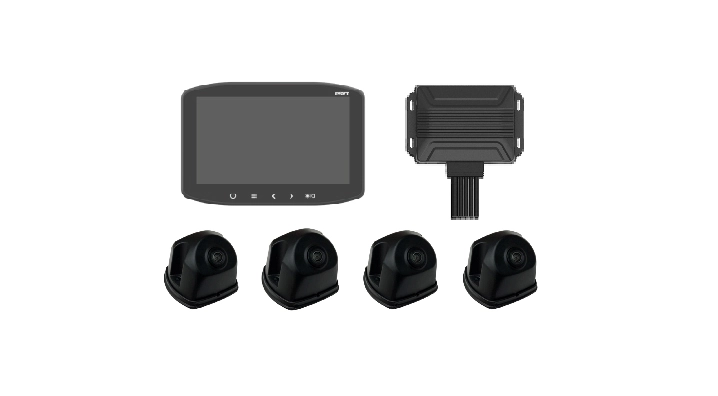
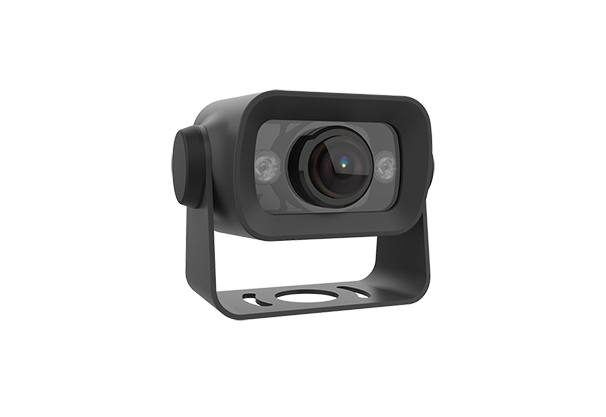
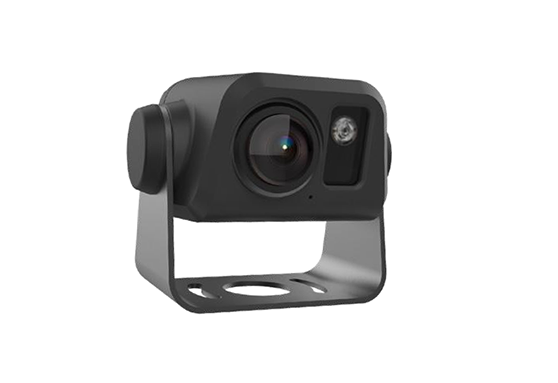
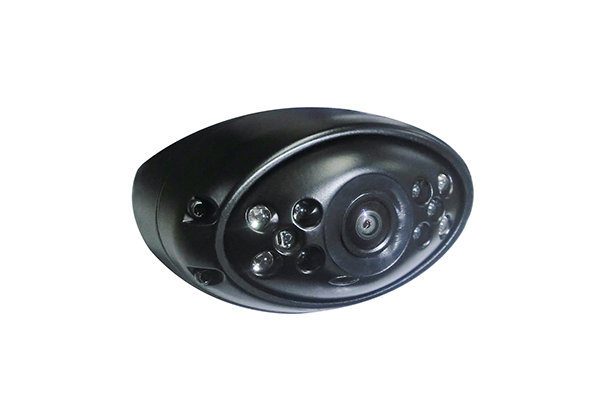
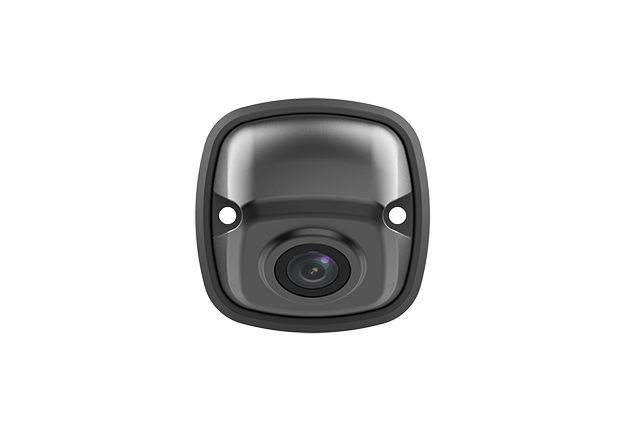
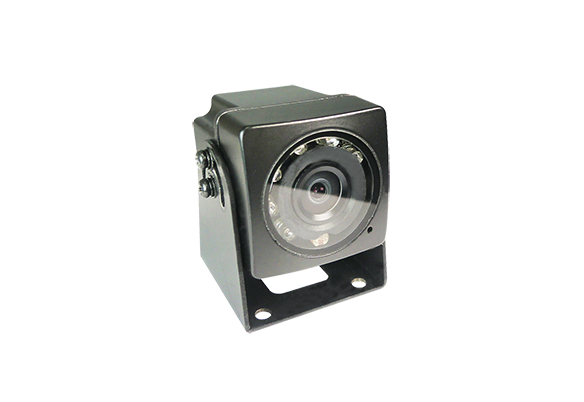
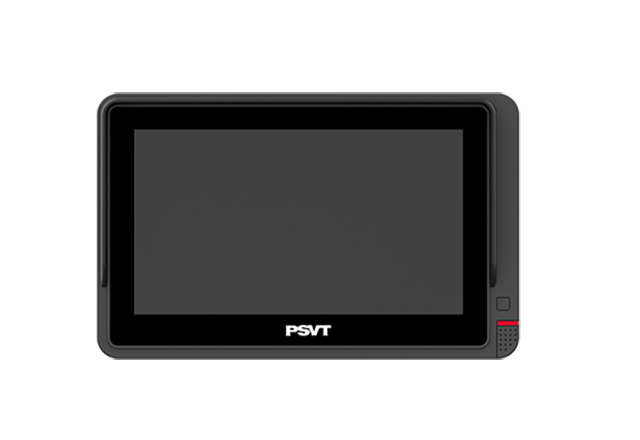
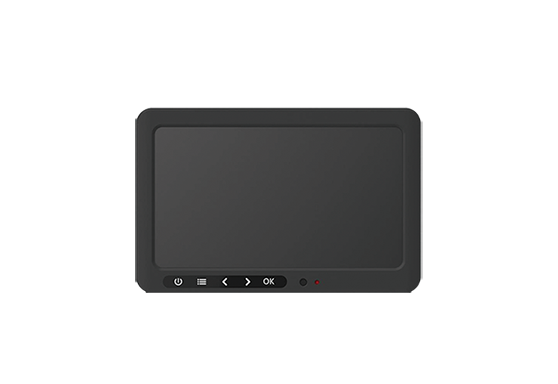
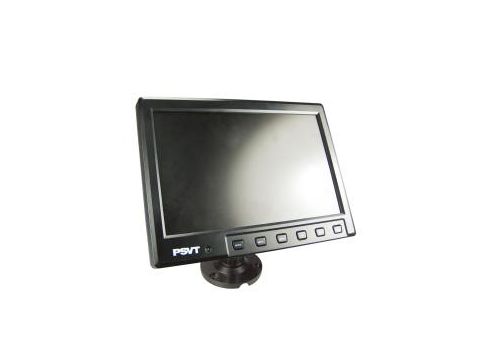
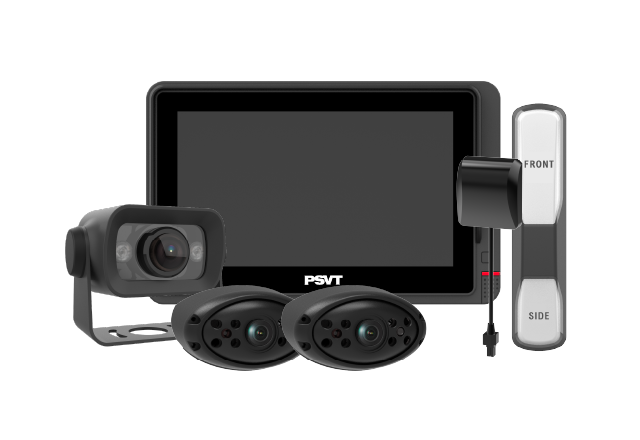
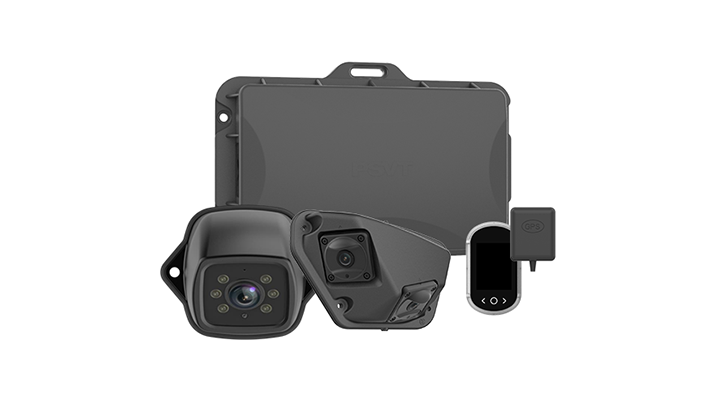
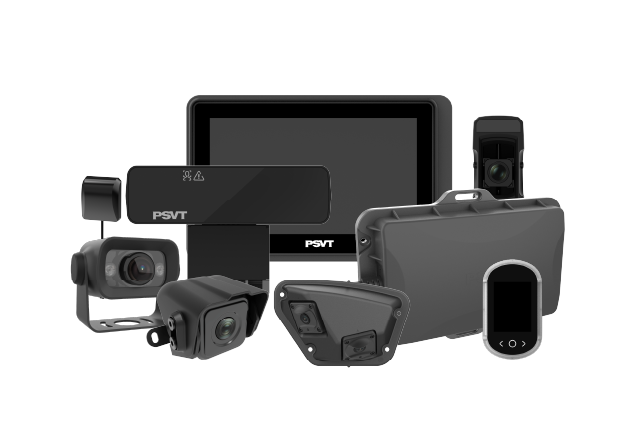
A 360 Birds Eye View Camera System normally includes four main parts: cameras, an image processing unit, a display monitor, and system software. The cameras capture wide-angle video around the vehicle. The processing unit corrects lens distortion, aligns the images, and stitches them into a bird’s-eye view. The monitor displays the final image in real time.
The image processing technology is what makes a 360 Birds Eye View Camera System different from a basic multi-camera system. In a simple multi-camera setup, the driver may need to view separate camera channels. With a 360 Birds Eye View Camera System, the system combines these views into a single image, making it easier to understand distance, direction, and object position.
A high-quality 360 Birds Eye View Camera System should also support flexible display modes. For example, the driver may view the full panoramic image, a front view, a rear view, a left-side view, a right-side view, or a split-screen mode. In some applications, the 360 Birds Eye View Camera System can automatically switch views based on vehicle signals, such as reverse gear, turn signals, or low-speed maneuvering.
The first major benefit of a 360 Birds Eye View Camera System is blind spot reduction. Commercial vehicles have large areas that drivers cannot see directly. Mirrors can help, but they still have limits. A 360 Birds Eye View Camera System gives the driver a more complete picture of the vehicle’s surroundings.
The second benefit is easier maneuvering. When a truck enters a narrow street, a bus pulls into a stop, or a delivery van reverses into a loading bay, the driver needs accurate spatial awareness. A 360 Birds Eye View Camera System helps the driver understand how close the vehicle is to obstacles, curbs, walls, people, and other vehicles.
The third benefit is accident prevention. Many low-speed accidents happen because the driver cannot see a person or object near the vehicle. A 360 Birds Eye View Camera System can help reduce these risks by improving real-time visibility.
The fourth benefit is operational efficiency. A 360 Birds Eye View Camera System can help drivers complete parking, docking, reversing, and turning tasks more confidently. This may reduce maneuvering time and improve route efficiency, especially for fleets operating in urban areas.
The fifth benefit is driver confidence. New drivers or drivers operating unfamiliar vehicles may feel pressure when handling large commercial vehicles. A 360 Birds Eye View Camera System provides visual support that helps drivers feel more in control.
Vulnerable road users, including pedestrians, cyclists, and motorcyclists, are especially difficult for large commercial vehicle drivers to see. A 360 Birds Eye View Camera System can help drivers identify people near the vehicle before a dangerous situation develops.
Urban delivery and public transport environments are particularly challenging. Cyclists may pass along the side of a truck. Pedestrians may walk close to the front or rear of a bus. Workers may move behind construction equipment. In these situations, a 360 Birds Eye View Camera System gives the driver a wider visual range and a clearer understanding of surrounding movement.
For fleets that operate in cities, a 360 Birds Eye View Camera System can become part of a broader safety strategy. It can work alongside blind spot detection, moving-off warning, reversing camera systems, driver monitoring, mobile DVR, and ADAS functions. When combined properly, these systems help build a more complete commercial vehicle safety platform.
Not every 360 Birds Eye View Camera System is suitable for commercial fleets. Fleet operators should evaluate the system from a professional B2B perspective, not just as a camera product. The right 360 Birds Eye View Camera System should be reliable, durable, scalable, and easy to integrate.
Camera quality is the first factor. A commercial-grade 360 Birds Eye View Camera System should provide clear images in different lighting conditions, including daytime, night, backlight, rain, fog, tunnels, and loading areas. Wide dynamic range, low-light performance, waterproof protection, and rugged housing are important for real-world fleet operation.
System latency is also important. A 360 Birds Eye View Camera System must display images in real time, especially during reversing and low-speed maneuvering. Delayed video can reduce driver trust and create safety risks.
Calibration is another key point. A 360 Birds Eye View Camera System needs accurate calibration to produce a clean and reliable panoramic image. For fleets with many vehicles, calibration efficiency can affect installation cost and deployment speed. A system with easier calibration can help fleet managers reduce downtime.
Integration should also be considered. A 360 Birds Eye View Camera System may need to connect with vehicle signals, monitors, DVRs, warning devices, fleet management platforms, or AI detection modules. The more flexible the system is, the easier it is to adapt to different vehicle types and customer requirements.
A 360 Birds Eye View Camera System can be used across many commercial vehicle categories. For heavy trucks, it helps reduce blind spots around the front, sides, and rear. For buses, it improves visibility around passengers, stations, and urban roads. For logistics vans, it supports safer delivery in narrow streets and parking areas.
For construction machinery, a 360 Birds Eye View Camera System helps operators monitor workers and obstacles near the machine. Excavators, loaders, cranes, and dump trucks often work in complex environments where visibility is limited. A panoramic view can help reduce site accidents and improve operational control.
For special-purpose vehicles, such as fire trucks, ambulances, garbage trucks, and municipal service vehicles, a 360 Birds Eye View Camera System provides safety support in urgent or high-density operating scenarios. These vehicles often need to move through crowded streets, tight alleys, or busy service areas. Better visibility can directly support safer operation.
For fleet managers, the flexibility of a 360 Birds Eye View Camera System is a major advantage. One platform can be adapted to different vehicle models, creating a more consistent safety standard across the fleet.
The next generation of 360 Birds Eye View Camera System technology is moving beyond simple visual display. AI-enabled systems can support object detection, pedestrian detection, vehicle detection, trajectory analysis, and risk warning. This means a 360 Birds Eye View Camera System can evolve from a passive viewing tool into an active safety solution.
An AI-powered 360 Birds Eye View Camera System can help identify pedestrians, cyclists, vehicles, and obstacles around the commercial vehicle. Instead of relying only on the driver to notice every risk, the system can provide visual or audible alerts when a potential hazard is detected.
This is especially valuable for fleets that want to improve both safety and management. When connected with recording and fleet platforms, a 360 Birds Eye View Camera System can also support event review, driver training, claims management, and operational analysis.
As commercial vehicle safety standards continue to rise, the 360 Birds Eye View Camera System will likely become a key part of integrated safety solutions. It can work together with ADAS, blind spot detection, driver monitoring systems, mobile DVR, and intelligent speed assistance to create a more complete vehicle safety ecosystem.
From a business perspective, a 360 Birds Eye View Camera System is not just a safety accessory. It is an investment in risk reduction, asset protection, and operational performance. Every vehicle collision can create repair costs, insurance issues, legal exposure, delivery delays, and damage to brand reputation.
A 360 Birds Eye View Camera System helps fleets reduce avoidable incidents, especially in low-speed and high-risk scenarios. These are common in logistics yards, depots, parking lots, loading bays, warehouses, urban delivery routes, and construction sites.
For fleet operators, the return on investment of a 360 Birds Eye View Camera System may come from fewer collisions, lower repair costs, reduced downtime, improved driver performance, and stronger customer confidence. For OEMs and bodybuilders, offering a 360 Birds Eye View Camera System can also improve vehicle competitiveness and support safety-oriented product positioning.
For distributors and channel partners, the 360 Birds Eye View Camera System creates a strong value proposition. It is easy to explain, visually impressive in demonstrations, and directly connected to customer pain points such as blind spots, accident prevention, and fleet safety compliance.
Before deploying a 360 Birds Eye View Camera System, fleet managers should evaluate vehicle type, camera mounting positions, wiring routes, monitor placement, calibration space, driver usage habits, and maintenance requirements. A successful installation should not only look good on the screen but also fit the daily workflow of the vehicle.
The camera positions of a 360 Birds Eye View Camera System are critical. Poor mounting angles can affect image stitching and create blind zones. The display position is also important because the driver should be able to view the image without distraction.
Fleet managers should also consider after-sales support. A commercial-grade 360 Birds Eye View Camera System should be supported by installation guidance, calibration tools, technical documentation, and reliable product supply. For large fleets, consistent support can make deployment smoother and reduce operational risk.
Training is another important step. Even though a 360 Birds Eye View Camera System is intuitive, drivers should understand its functions, limitations, and best-use scenarios. The system should support driver awareness, not replace safe driving habits.
A high-quality 360 Birds Eye View Camera System should deliver clear imaging, stable performance, accurate stitching, low latency, rugged durability, and flexible integration. It should be designed for commercial vehicle environments rather than only passenger car use.
Commercial fleets need a 360 Birds Eye View Camera System that can handle vibration, temperature changes, weather exposure, long operating hours, and different road conditions. The system should support high-definition video, reliable signal transmission, waterproof cameras, and a strong processing platform.
A professional 360 Birds Eye View Camera System should also be scalable. Different customers may require different monitor sizes, camera angles, AI functions, recording options, or integration interfaces. A flexible system makes it easier to serve OEMs, fleet operators, dealers, and aftermarket channels.
The commercial vehicle industry is moving toward smarter, safer, and more connected mobility. A 360 Birds Eye View Camera System plays an important role in this transformation by giving drivers better visibility and helping fleets reduce blind spot risks.
For fleet operators, a 360 Birds Eye View Camera System can improve safety, reduce accident costs, support driver confidence, and enhance daily operating efficiency. For OEMs and distributors, a 360 Birds Eye View Camera System offers a practical and marketable safety solution that meets real customer needs.
As urban roads become more crowded and fleet safety expectations continue to rise, the 360 Birds Eye View Camera System will become increasingly important for commercial vehicles. It is no longer just an optional camera upgrade. It is a strategic safety solution for modern fleets that want to protect drivers, vehicles, cargo, pedestrians, cyclists, and brand reputation.
A reliable 360 Birds Eye View Camera System gives fleets what they need most: clearer vision, better control, and safer operation from every angle.