UN Regulation R151/R159/R158
View More






A 360° surround view camera system helps commercial vehicle drivers understand what is happening around their vehicles during demanding maneuvers. Whether a truck is reversing toward a loading dock, a bus is navigating a crowded depot, or a construction vehicle is moving through a restricted work area, limited visibility can make routine movements difficult. By combining multiple camera images into a synthesized view, surround view technology gives drivers additional visual information about nearby obstacles and available space. For fleet managers, the opportunity extends beyond installing cameras: it involves choosing a system that fits the vehicle, supports drivers, and delivers practical value throughout its service life.
Commercial vehicles operate in environments where large vehicle dimensions and limited maneuvering space frequently overlap. Tall cabs, long bodies, equipment attachments, and cargo can obstruct direct sightlines. Mirrors provide essential information, but drivers must interpret several separate views while also monitoring pedestrians, vehicle movement, and the direction of travel. During a tight turn, the rear of the vehicle and its front corner may require attention at the same time.
The consequences of a missed obstacle can extend beyond the initial repair. A damaged loading bay, interrupted delivery, or vehicle taken out of service can create scheduling problems across an operation. Fleet buyers should therefore assess visibility against specific tasks. The most useful question is where drivers struggle to see during everyday work, and what information would help them judge those situations more confidently.
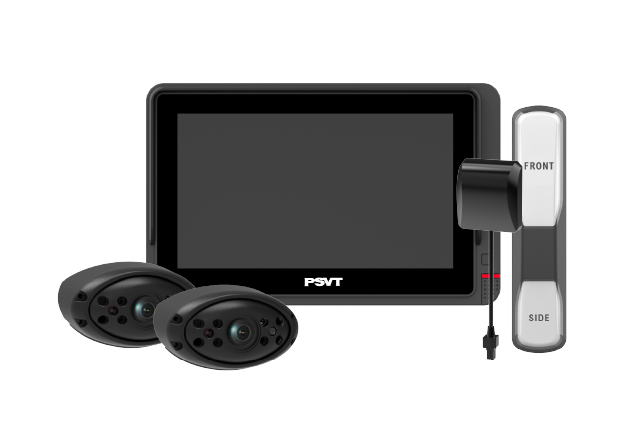
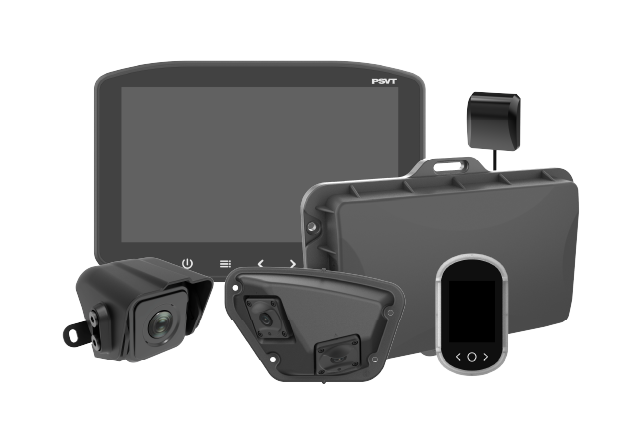
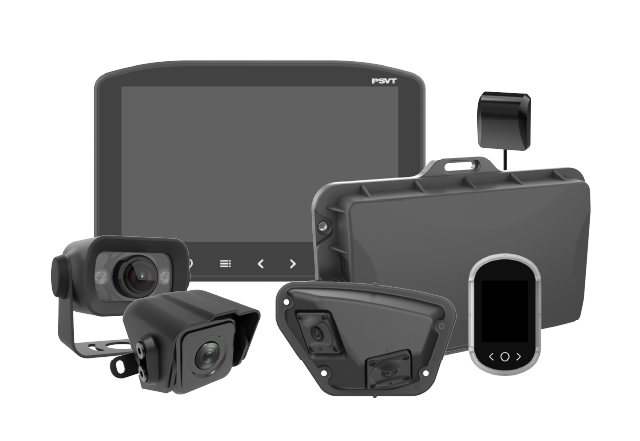
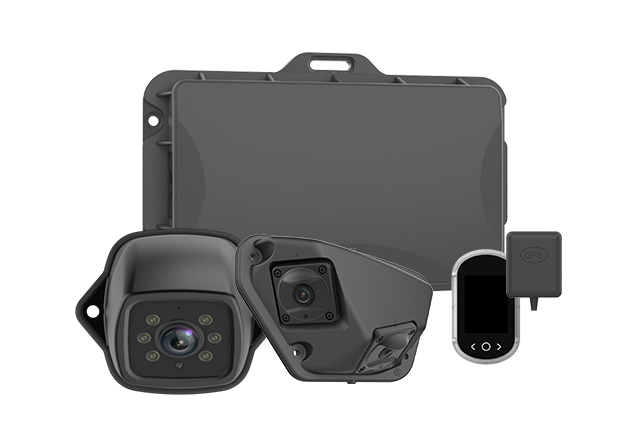
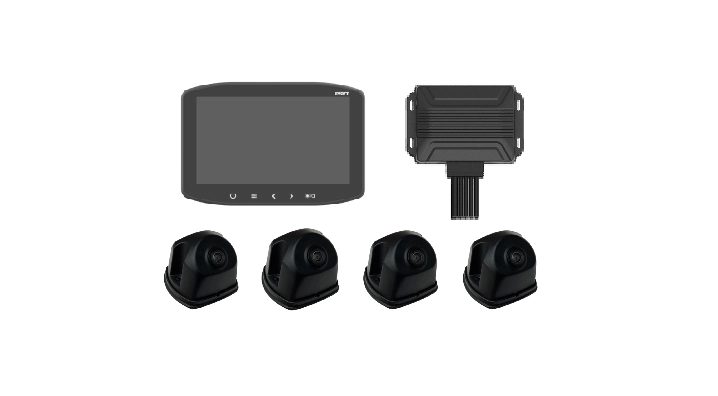
A 360° surround view camera system uses multiple cameras mounted around a vehicle to capture its immediate surroundings. A processing unit transforms and combines overlapping images into a composite view, often presented as a bird’s-eye image with a vehicle graphic in the center. Depending on the product, the monitor may display this overview alongside an individual front, rear, or side camera image.
The overhead perspective is synthesized from vehicle-mounted cameras; it is not footage from a camera above the vehicle. Understanding this distinction matters because the image depends on camera placement, calibration, and image processing. Objects extending above the ground can appear stretched or distorted, especially near image boundaries. Drivers should learn how to interpret the display and use individual camera views when they need additional detail.
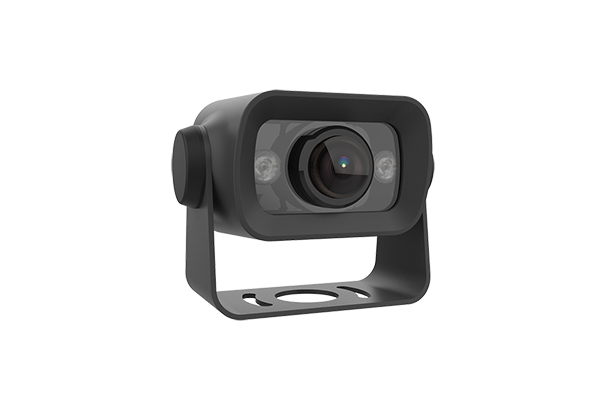
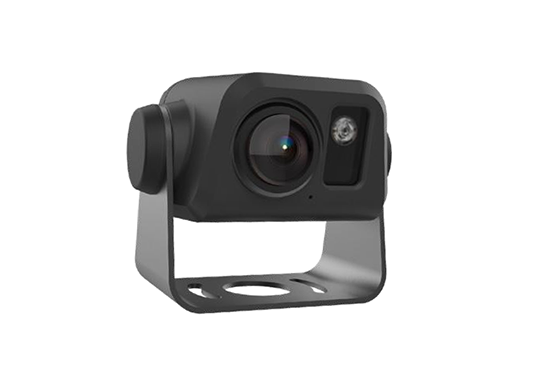
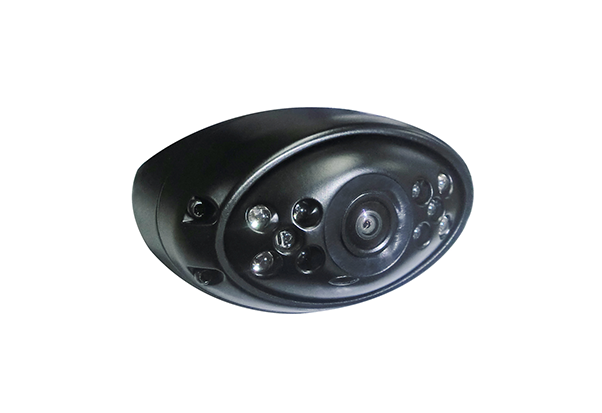
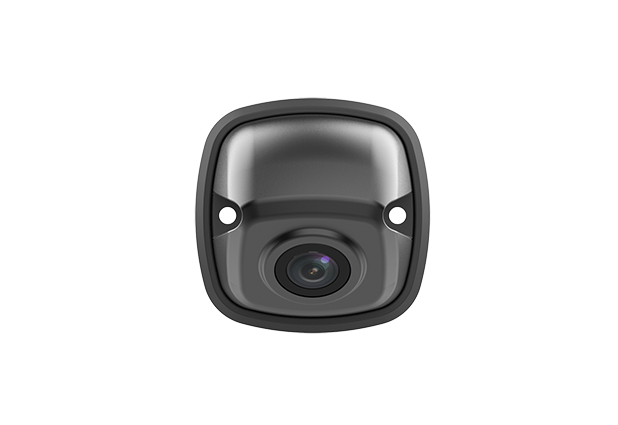
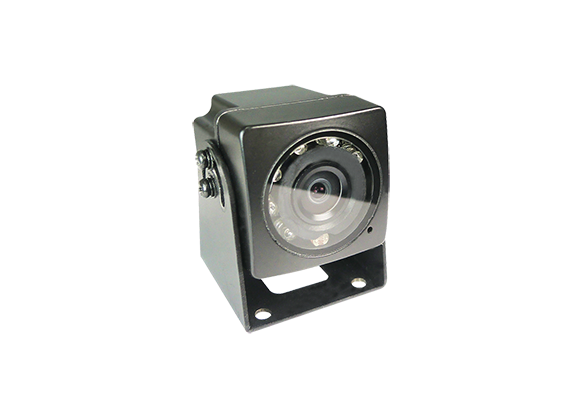
Wide-angle cameras capture different areas around the vehicle. Their positions must provide useful coverage while allowing sufficient overlap between adjacent images. Mounting decisions should account for body shape, vehicle length, protruding equipment, and likely sources of obstruction. A camera location that works well on an empty chassis may become unsuitable after a body, attachment, or other equipment is installed.
The processor typically corrects lens distortion, transforms camera perspectives, and stitches the images into a shared layout. Brightness and color adjustments help adjacent views appear more consistent when one side of the vehicle is shaded and another faces strong sunlight. The practical goal is an image that drivers can interpret quickly, with understandable boundaries between the vehicle and surrounding space.
Calibration establishes how each camera image relates to the vehicle and the other cameras. Installation accuracy therefore has a direct influence on the displayed result. Manufacturer troubleshooting guidance identifies calibration-mat alignment, camera orientation, and calibration-point accuracy as factors affecting setup. Buyers should treat calibration as a required installation deliverable, with documented checks before the vehicle returns to operation.
Loading docks often combine fixed structures with changing obstacles: pallets, parked vehicles, handling equipment, and people moving between work areas. A rear camera provides a useful view behind the vehicle, while a surrounding overview adds context about side clearance and vehicle alignment. This can help drivers identify when a maneuver needs to pause for another check or adjustment.
A 360° surround view camera system can help drivers monitor nearby space when entering narrow gates, moving around parked equipment, or turning within a confined yard. These situations demand attention to several parts of the vehicle simultaneously. A clear overview can make the relationship between the vehicle and nearby structures easier to interpret, particularly when paired with a relevant side-camera image.
Buses and coaches regularly maneuver close to other vehicles, maintenance equipment, and personnel. Depot movements may involve limited clearance along both sides, frequent stops, and changing pedestrian activity. Camera placement and monitor layout should reflect those conditions. A useful demonstration should reproduce typical depot maneuvers, including parking beside another bus and moving through service lanes.
Construction and industrial vehicles face changing ground conditions, attachments, and obstructions. A surround view installation should be evaluated with the machine in its normal working configuration. Buyers should inspect whether a bucket, raised body, carried load, or other equipment blocks a camera. Coverage that looks convincing in a static demonstration may change when the machine begins its actual work.
The right 360° surround view camera system should be selected around coverage requirements rather than camera count alone. Four-camera configurations commonly place cameras at the front, rear, and both sides. Six-camera configurations can provide additional viewpoints or overlap where vehicle dimensions and mounting constraints require them. However, the benefit depends on whether the processor supports the intended stitching layout and whether the cameras can be mounted effectively.
Long vehicles deserve particular attention. A wide-angle image may cover a large area while providing limited detail at the far end of that area. Additional cameras can help address some installation challenges, but they do not automatically guarantee better visibility. Articulated vehicles require further assessment because the relationship between vehicle sections changes during a turn. Buyers should request demonstrations covering the actual vehicle geometry and movement.
Resolution is useful only when the displayed image contains information the driver can recognize. Ask whether common hazards remain visible in the overview and in individual camera views. Evaluate the system in daylight, shade, and the lighting conditions relevant to the fleet. A clear daytime demonstration does not establish how the system performs in a dim warehouse entrance or an unevenly lit depot.
When comparing a 360° surround view camera system, inspect the areas where adjacent images meet. Using a controlled, stationary test, place representative objects near those boundaries and examine how they appear. Look for duplicated edges, abrupt brightness changes, confusing distortion, or objects that become difficult to identify. A neat-looking seam is helpful, but reliable interpretation of nearby hazards matters more.
Drivers need camera images that remain understandable as the vehicle moves. Request end-to-end latency information and assess performance during controlled, low-speed maneuvers. Watch for delayed images, freezing, or interruptions when the display changes views. Acceptance criteria should reflect the fleet’s intended use and the supplier’s documented capabilities, rather than relying on a demonstration that shows only a stationary vehicle.
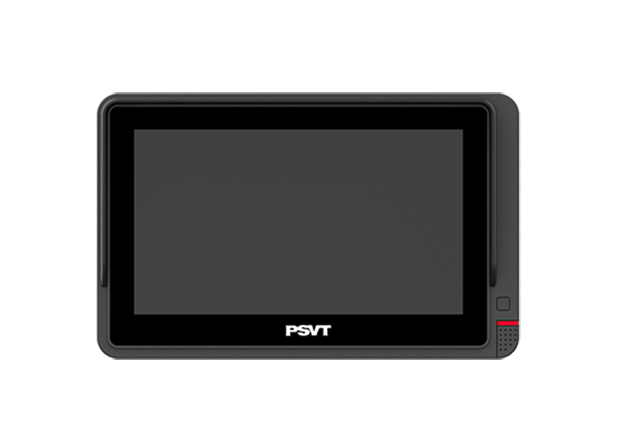
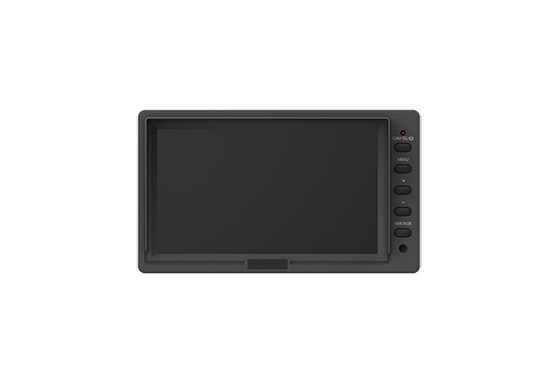
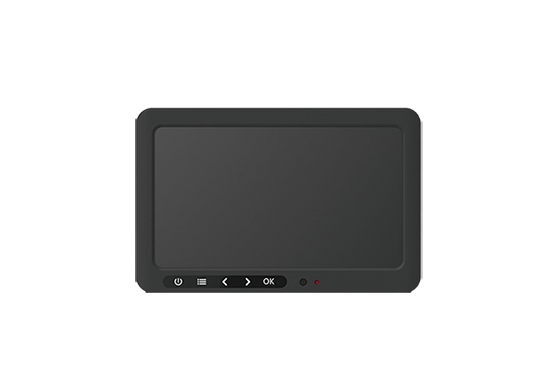
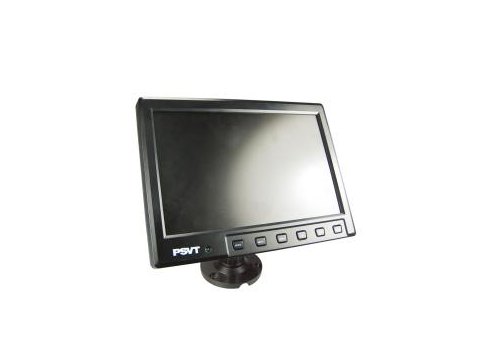
Monitor size, brightness, viewing angle, and placement influence usability. The driver should be able to glance at the display without it obstructing essential sightlines or controls. Automatic view switching can be useful when linked to reversing or indicator signals, where supported. Test whether the selected view appears at the right moment and whether drivers can easily return to an overview.
Camera housings are only one part of installation durability. Cables, connectors, brackets, and routing must also suit vibration, moisture, temperature changes, and cleaning practices. Ask suppliers to identify the conditions covered by their specifications. Maintenance teams should also understand how to diagnose a failed camera, replace damaged components, and determine whether repair work requires recalibration.
A conventional surround view display helps drivers see nearby areas. AI detection adds a separate capability by identifying specified object categories and generating alerts when configured conditions are met. These functions can work together, but a stitched image does not inherently include pedestrian detection, vehicle detection, distance measurement, or collision warnings. Each capability needs to be confirmed for the proposed product.
For a 360° surround view camera system with AI features, buyers should ask which objects are detected, where detection operates, and what affects performance. Evaluation should include representative clothing, backgrounds, lighting, and vehicle configurations. Alert relevance matters as much as alert availability: frequent unnecessary warnings may reduce driver attention. A useful pilot should record missed detections and unwanted alerts under defined, repeatable conditions.
Live viewing supports immediate decisions, while recording allows authorized teams to review events afterward. Where supported, stored video can help explain a loading-area collision, damaged cargo, or a disputed maneuver. The value depends on what is captured: an individual camera channel may show details that are harder to interpret in a stitched overview. Buyers should confirm exactly which streams can be recorded and played back.
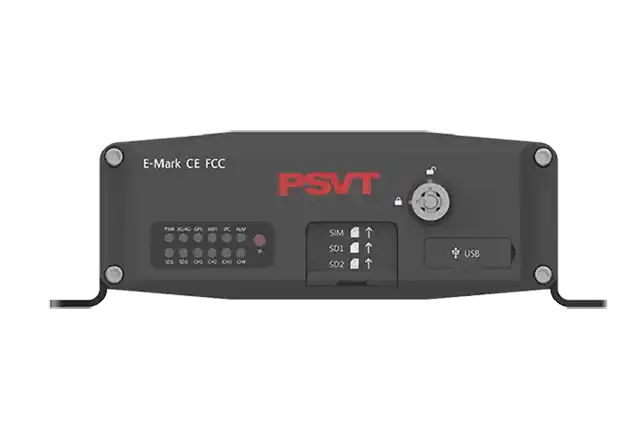
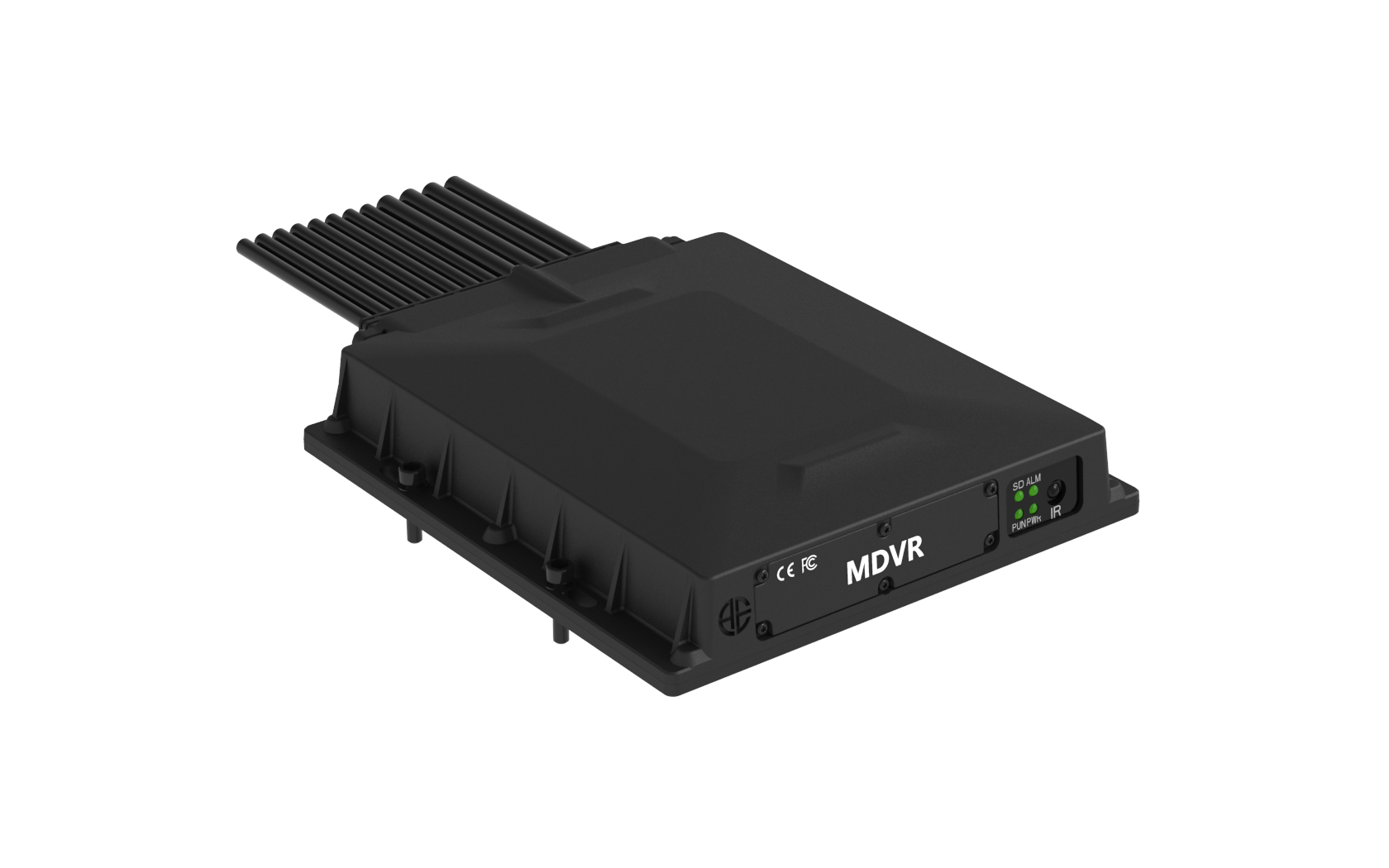
Recording should be assessed separately from live display functionality. Some installations require a compatible mobile recorder and appropriate connections; manufacturer documentation provides examples of cameras connected to mobile recording equipment through specified adapters. Buyers should verify their proposed configuration rather than assume recording is included. Storage capacity, timestamps, export procedures, power-loss behavior, and footage access should all be tested before rollout.
An effective 360° surround view camera system requires a repeatable installation process. That process should cover mounting locations, bracket security, cable protection, calibration, and final coverage checks. Fleets with several body types may need different installation standards for each configuration. Documenting those standards helps purchasing teams compare complete proposals and enables maintenance teams to restore an installation consistently after repair.
Training should explain what the display shows, where distortion may occur, and how to recognize an unavailable or obstructed image. Drivers should practice normal maneuvers in a controlled area and understand when to stop and inspect the surroundings directly. Daily checks should include camera cleanliness and display operation. Confidence should come from familiarity with the system’s capabilities and limits.
A purchasing decision should account for the full installed cost, including calibration, training, maintenance, and any recording equipment. Fleet managers can compare that investment with their own history of relevant incidents, repair costs, downtime, and administrative effort. This creates a more credible business case than applying a generic percentage reduction to the entire fleet’s accident costs.
A pilot should include vehicles and routes that represent normal operating challenges. Establish baseline measures, then track comparable outcomes during the trial. Useful measures include maneuvering-related damage, camera availability, installation time, maintenance requirements, and driver feedback. Where footage review is part of the proposal, test how long it takes an authorized user to find and export a relevant event. Treat any projected savings as assumptions until fleet evidence supports them.
The strongest reason to invest in a 360° surround view camera system is to give drivers useful information at moments when vehicle size and restricted visibility make judgment difficult. Achieving that requires more than a convincing monitor image. Vehicle-specific coverage, stable processing, suitable hardware, careful calibration, and practical training all contribute to the result.
Before committing to a fleet rollout, request a demonstration on a representative vehicle and agree on clear acceptance criteria. Review actual maneuvers, inspect camera boundaries, and involve drivers and maintenance personnel. A supplier should be able to explain the proposed configuration, demonstrate its performance, and support it after installation. That evidence gives fleet buyers a stronger foundation for choosing a solution that fits daily operations.
A reversing camera primarily shows the area behind the vehicle. Surround view combines several camera images to provide broader context around the front, rear, and sides. Many systems also display individual views for closer inspection.
No. Coverage depends on mounting positions, vehicle shape, obstructions, lighting, and image processing. The synthesized overview also has limitations when displaying raised objects. Drivers should continue using established observation and maneuvering procedures.
No. Additional cameras are useful when they address an identified coverage requirement and the processor supports the intended arrangement. The deciding factors are usable coverage, image detail, overlap, and installation quality on the actual vehicle.
No. Surround view and AI detection are separate functions. Buyers should verify the supported object categories, alert zones, operating conditions, and hardware requirements for any proposed AI capability.
Recording is available in suitable configurations, but it may require integrated storage or a separate compatible recorder. Confirm whether the system records individual channels, the stitched view, or both, and test playback and export.
Retrofit suitability depends on the vehicle and product. An installation survey should confirm mounting options, cable routing, electrical compatibility, monitor placement, and access to the space needed for calibration.
Follow the manufacturer’s maintenance instructions and check image alignment after events that may move a camera or change its mounting geometry. Camera replacement, bracket damage, and relevant body repairs are reasons to assess whether recalibration is needed.
Request demonstrations on comparable vehicles using the same evaluation tasks. Compare coverage, image interpretation, display behavior, durability documentation, recording functionality, installation support, and total ownership cost. A structured vehicle trial provides stronger evidence than specifications alone.