UN Regulation R151/R159/R158
View More







For modern fleets, an AI Driver Monitoring System is no longer just an optional camera inside the cab. An AI Driver Monitoring System is becoming a strategic safety layer that helps fleet operators reduce fatigue-related risk, identify distraction, support regulatory readiness, and build a more accountable safety culture. As commercial vehicles operate longer hours, cover more complex routes, and face tighter safety expectations, an AI Driver Monitoring System gives fleet managers a practical way to understand what is happening inside the cab before a risky behavior becomes a crash, claim, fine, or service disruption.
A commercial fleet safety strategy used to focus mainly on what happened outside the vehicle: blind spots, reversing risks, lane departure, speed, and collision avoidance. Those areas remain critical, but they do not tell the full story. Many severe incidents begin with the driver’s physical state, attention level, or behavior. This is where an AI Driver Monitoring System creates value. By using in-cab vision, deep learning algorithms, event recording, and real-time alerts, an AI Driver Monitoring System helps identify drowsiness, distraction, mobile phone use, smoking, seat belt non-use, and other unsafe actions while the vehicle is in operation.
For B2B fleet operators, the business case for an AI Driver Monitoring System is not simply “install a camera and issue warnings.” The real business case is operational control. An AI Driver Monitoring System can help create consistent driver coaching, strengthen safety compliance evidence, reduce preventable incidents, support insurance conversations, and improve the professionalism of fleet operations. In markets influenced by EU General Safety Regulation requirements, an AI Driver Monitoring System also helps OEMs, body builders, distributors, and fleet integrators prepare solutions aligned with DDAW and ADDW expectations.
An AI Driver Monitoring System focuses on a problem every fleet understands: even experienced drivers can become tired, distracted, or overloaded. Long-haul trucking, urban distribution, coach operation, construction logistics, municipal service routes, and special vehicle work all involve different pressure points, but they share one risk. Driver attention can change quickly, and the fleet often learns about that change only after an incident.
A traditional safety policy depends heavily on training and self-discipline. An AI Driver Monitoring System adds a real-time safety layer. When the system detects signs of fatigue or distraction, it can trigger an alert so the driver can correct behavior immediately. For fleet managers, an AI Driver Monitoring System can provide event data for review, coaching, and safety management. This turns safety from a reactive process into a more proactive, measurable process.
The value of an AI Driver Monitoring System becomes especially clear in mixed fleets. A company may operate trucks, buses, vans, forklifts, and construction vehicles across different sites and regions. Without a standardized in-cab safety tool, driver behavior management depends on local supervision. With an AI Driver Monitoring System, the fleet can establish a more consistent safety baseline across different vehicle types and operating environments.
Regulatory pressure is one of the strongest reasons fleets are paying attention to the AI Driver Monitoring System category. In the EU, DDAW stands for Driver Drowsiness and Attention Warning, while ADDW stands for Advanced Driver Distraction Warning. Commission Delegated Regulation (EU) 2021/1341 lays down detailed rules for DDAW system type approval, and Commission Delegated Regulation (EU) 2023/2590 lays down detailed rules for ADDW systems. AUTOEQUIPS’ product page also positions its ActiVue® AI Driver Monitoring System around DDAW and ADDW functions for EU GSR-oriented driver safety.
This regulatory context changes how B2B buyers evaluate an AI Driver Monitoring System. Fleet customers are not only asking whether the system can detect a tired driver. They are asking whether the AI Driver Monitoring System is designed with compliance, repeatability, integration, and vehicle-grade reliability in mind. OEMs and channel partners are also asking whether the AI Driver Monitoring System can fit into a broader safety package that includes blind spot detection, intelligent speed assistance, ADAS, MDVR, and connected fleet safety platforms.
For fleet operators, an AI Driver Monitoring System can therefore serve two purposes at the same time. First, it improves day-to-day driver safety by providing real-time alerts. Second, it supports a future-ready safety roadmap. As more regions adopt stricter safety expectations, fleets that already understand the value of an AI Driver Monitoring System will be better prepared to respond.
A high-quality AI Driver Monitoring System uses visual perception and deep learning to analyze driver state and behavior. Instead of relying only on steering behavior or vehicle movement, an AI Driver Monitoring System can observe direct in-cab indicators such as eye closure, head position, gaze direction, facial orientation, and risky actions. This enables the AI Driver Monitoring System to detect driver drowsiness, attention loss, distraction, phone calls, smoking, seat belt non-use, and other unsafe behaviors.
This matters because different risks require different interventions. Drowsiness is not the same as distraction. A driver who is sleepy may need a rest break. A driver using a phone may need a behavior correction policy. A driver who repeatedly looks away from the road in urban traffic may need coaching on route pressure and task management. An AI Driver Monitoring System helps fleets classify these risks instead of treating every incident as a generic “driver error.”
The best AI Driver Monitoring System solutions also combine alerts with event evidence. This is important for B2B fleets because managers need more than alarms. They need context. When an AI Driver Monitoring System records relevant events, the fleet can review what happened, identify patterns, and separate one-time exceptions from repeated unsafe habits.
The first value of an AI Driver Monitoring System is accident prevention. By warning drivers in real time, an AI Driver Monitoring System can reduce the chance that fatigue or distraction continues unnoticed. Even a short delay in reaction time can create serious risk for heavy commercial vehicles, buses, and vehicles operating near vulnerable road users.
The second value of an AI Driver Monitoring System is driver coaching. Many fleets struggle to make coaching objective. Without clear data, feedback can feel personal or inconsistent. An AI Driver Monitoring System gives safety managers event-based information that supports fairer, more specific conversations. Instead of saying, “You were not paying attention,” the fleet can say, “This event shows repeated distraction during a high-risk driving segment.”
The third value of an AI Driver Monitoring System is operational efficiency. Incidents cause vehicle downtime, insurance claims, customer complaints, driver turnover, and administrative work. An AI Driver Monitoring System cannot eliminate every risk, but it can help fleets reduce preventable behaviors that lead to these costs. For large fleets, even a small reduction in risky events can translate into significant operational value.
The fourth value of an AI Driver Monitoring System is brand protection. Logistics providers, passenger transport operators, construction fleets, and municipal fleets all operate in public view. A serious incident can damage customer confidence and public trust. An AI Driver Monitoring System helps demonstrate that the fleet is investing in active safety, not only reacting after accidents.
Not all in-cab cameras are equal. A basic camera records video, but an AI Driver Monitoring System interprets behavior. This is the difference between passive evidence and active prevention. With deep learning, an AI Driver Monitoring System can identify subtle signs of drowsiness or distraction and trigger timely warnings. This makes the AI Driver Monitoring System more useful than a recording device alone.
AI also improves scalability. A fleet with hundreds or thousands of vehicles cannot manually review every hour of driver footage. An AI Driver Monitoring System can automatically detect and classify events so managers focus on what matters most. This helps turn large volumes of video into actionable safety insights.
However, fleets should evaluate the AI Driver Monitoring System carefully. Detection accuracy, false alarm control, night performance, hardware durability, integration capability, and data governance all matter. A reliable AI Driver Monitoring System must work in real commercial vehicle conditions, including vibration, temperature changes, night driving, changing driver positions, and long operating hours.
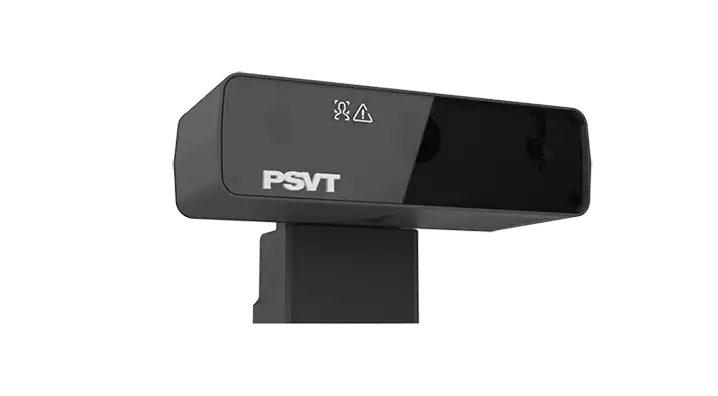
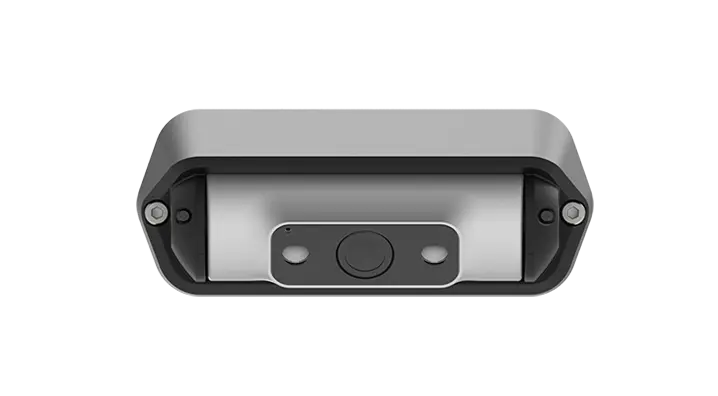
AUTOEQUIPS offers the ActiVue® AI Driver Monitoring System for DDAW and ADDW functions, positioning it for EU GSR-oriented driver safety. According to AUTOEQUIPS, the system supports EU GSR-related DDAW and ADDW compliance references, behavior detection, deep learning, vehicle-grade hardware, 1080P face recognition, recording capability, audio output, and integration with vehicle systems and telematics platforms where applicable.
The AUTOEQUIPS AI Driver Monitoring System is designed to detect drowsiness, phone calls, distraction, smoking, seat belt non-use, and other unsafe actions in real time. This makes the AI Driver Monitoring System suitable for commercial vehicle safety programs that need both immediate driver alerts and management-level event review. For fleets, the advantage is that the AI Driver Monitoring System does not only monitor one risk; it addresses multiple in-cab behavior risks through a single safety platform.
From a hardware perspective, AUTOEQUIPS lists key specifications including 1920 × 1080 resolution, a 1/2.7-inch image sensor, 4G plus 940 IR filter, 0.01 Lux minimum illumination, DC12V/24V rated voltage, CAN support, TF card storage, and an operating temperature range of -20°C to 70°C. These details are important because an AI Driver Monitoring System must perform in demanding commercial environments, not just controlled demo conditions.
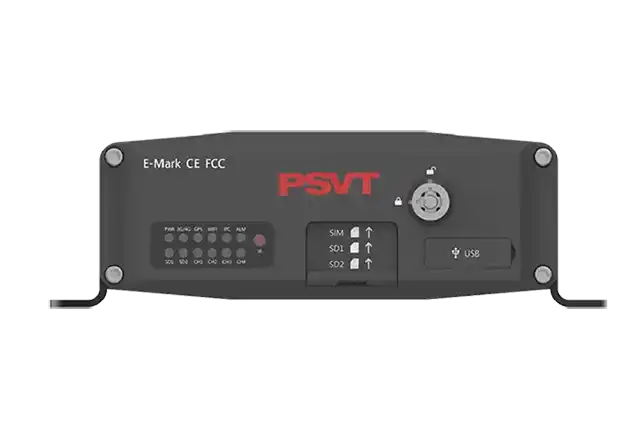
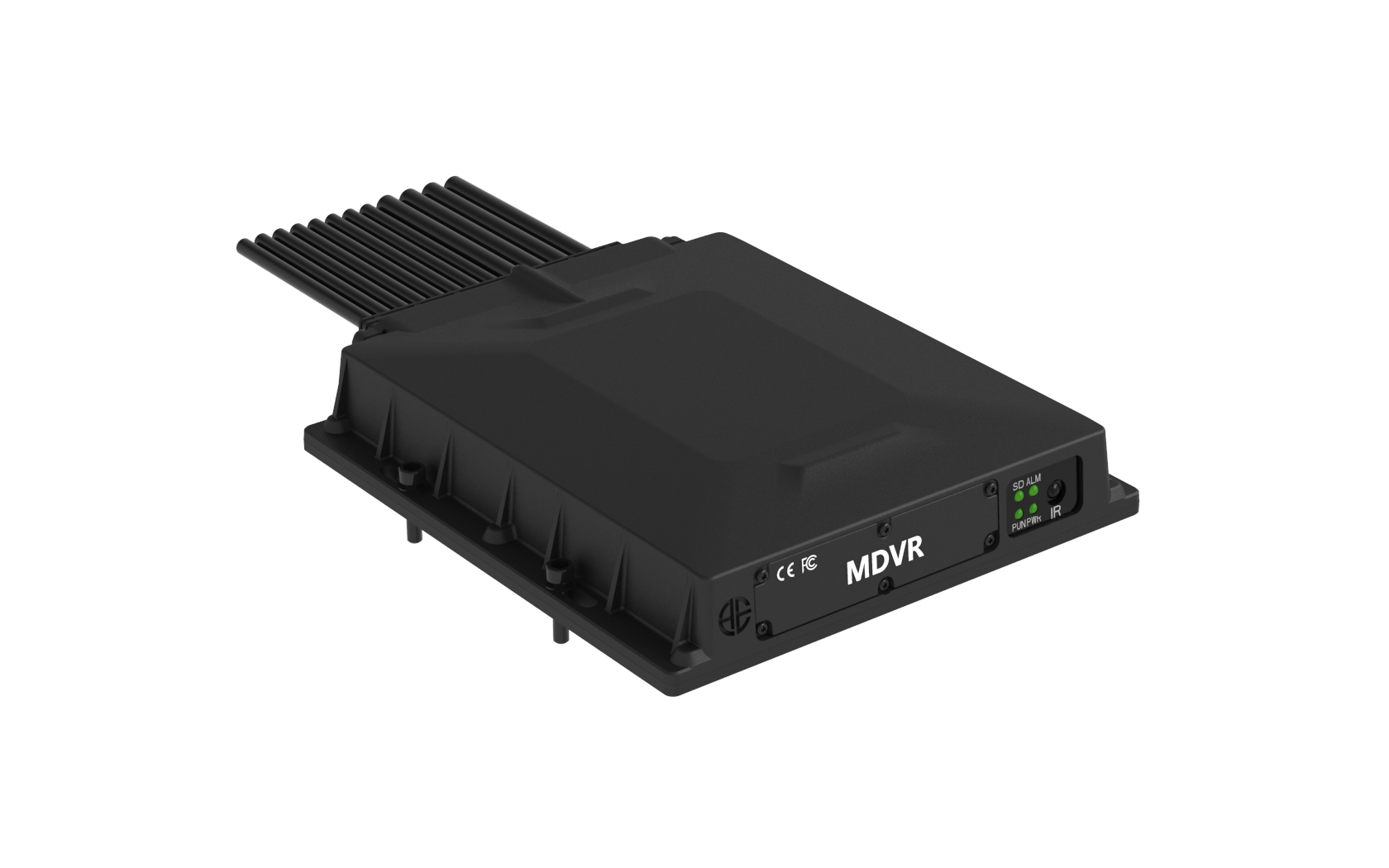
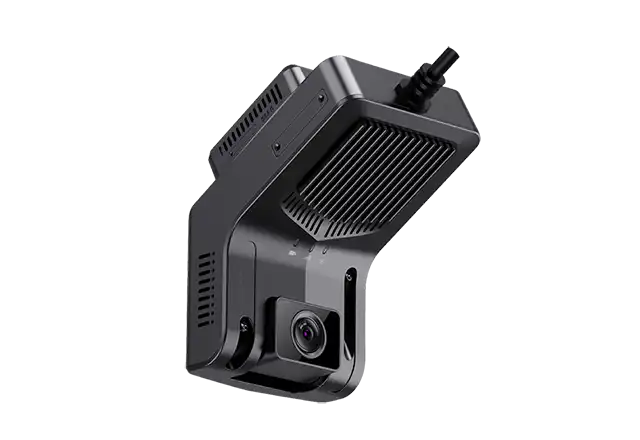
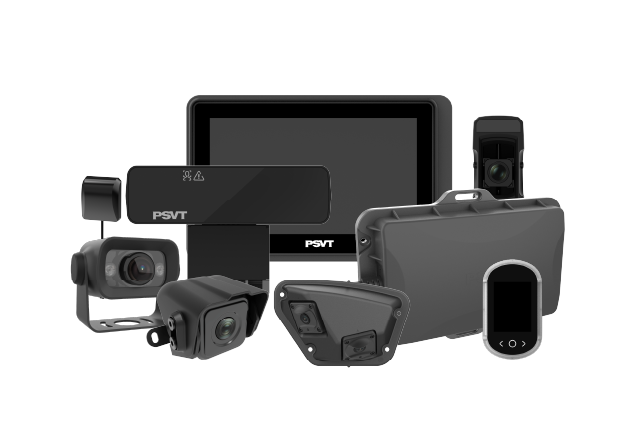
For OEMs, fleet integrators, and distributors, the AUTOEQUIPS AI Driver Monitoring System can be positioned as part of a broader active safety portfolio. It can complement AI blind spot detection, ADAS, intelligent speed assistance, 360° surround view monitoring, AI MDVR, and AI dashcam solutions. This creates a stronger fleet safety story: outside the vehicle, systems help detect road users and surrounding hazards; inside the cab, the AI Driver Monitoring System helps monitor driver readiness and attention.
When selecting an AI Driver Monitoring System, fleet buyers should look beyond the product brochure. The first question is detection scope. Can the AI Driver Monitoring System detect both fatigue and distraction? Does it recognize phone use, smoking, seat belt non-use, and other high-risk behaviors? A narrow system may be cheaper, but a broader AI Driver Monitoring System can generate more value across different fleet safety scenarios.
The second question is alert design. An AI Driver Monitoring System should warn the driver clearly without creating unnecessary stress or alarm fatigue. If alerts are too frequent or inaccurate, drivers may ignore them. If alerts are too weak, the AI Driver Monitoring System may fail to change behavior. Fleet managers should test whether the alert logic fits real routes and driver workloads.
The third question is evidence and recording. An AI Driver Monitoring System with recording capability can support post-event review, training, and claims investigation. This is especially useful for fleets that already use MDVR or telematics platforms. The AI Driver Monitoring System should help safety teams build a complete incident picture.
The fourth question is integration. A modern AI Driver Monitoring System should not operate as an isolated device. It should be able to connect with vehicle signals, fleet management platforms, alert devices, or broader safety systems. The more easily the AI Driver Monitoring System integrates, the more value it can create for OEM projects and fleet deployments.
The fifth question is reliability. Commercial vehicles operate in difficult conditions. An AI Driver Monitoring System must handle temperature variation, vibration, lighting changes, long working hours, and driver diversity. Vehicle-grade hardware and stable AI performance are essential.
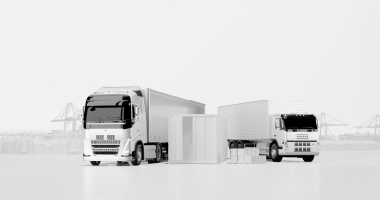
For long-haul trucks, an AI Driver Monitoring System helps address fatigue during extended driving hours. In logistics operations, an AI Driver Monitoring System can support safer delivery performance by reducing distraction in dense traffic. For buses and coaches, an AI Driver Monitoring System helps protect passengers by monitoring driver attention during long routes and urban stops.
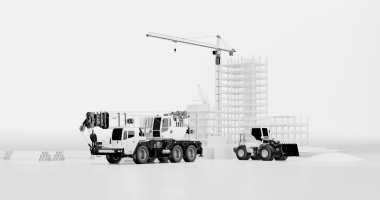
In construction vehicles, an AI Driver Monitoring System can be valuable because job sites are dynamic and full of hazards. Operators may face dust, noise, repetitive movements, and complex reversing or maneuvering tasks. An AI Driver Monitoring System adds another safety layer by monitoring whether the operator remains alert.
For municipal fleets, waste trucks, utility vehicles, and special vehicles, an AI Driver Monitoring System supports public-facing safety. These vehicles often operate close to pedestrians, cyclists, and roadside workers. When combined with blind spot detection and surround view systems, an AI Driver Monitoring System can help fleets manage both external and internal safety risks.
A successful AI Driver Monitoring System deployment should begin with a clear safety objective. The fleet should define whether the main goal is fatigue reduction, distraction control, regulatory readiness, insurance improvement, driver coaching, or a complete safety upgrade. This objective shapes how the AI Driver Monitoring System is configured, evaluated, and communicated internally.
Driver communication is critical. Fleets should explain that the AI Driver Monitoring System is designed to prevent accidents, protect drivers, and improve safety, not simply punish people. When drivers understand the purpose, adoption is easier. The AI Driver Monitoring System should be introduced with training, policy clarity, and transparent event review rules.
Data governance also matters. A fleet should define who can access AI Driver Monitoring System data, how long events are stored, how events are used for coaching, and how privacy requirements are handled. This is especially important for multinational fleets and OEM programs.
Finally, fleets should measure performance. Useful indicators include fatigue alerts, distraction alerts, repeat behavior rates, coaching completion, incident trends, and driver acceptance. An AI Driver Monitoring System creates the most value when it becomes part of a continuous safety improvement process.
The AI Driver Monitoring System will become more connected, more integrated, and more intelligent. In the future, an AI Driver Monitoring System will likely work more closely with ADAS, ISA, MDVR, telematics, and cloud-based safety platforms. Instead of acting as a standalone alert device, the AI Driver Monitoring System will become part of a larger fleet safety ecosystem.
For example, when an AI Driver Monitoring System detects fatigue, the fleet platform could combine that data with driving hours, route complexity, weather, and vehicle speed. When the AI Driver Monitoring System detects distraction during urban driving, the system could prioritize the event because the vehicle is operating near pedestrians or cyclists. This combination of driver state, vehicle data, and road context will make fleet safety management more intelligent.
For OEMs and suppliers, this trend means the AI Driver Monitoring System should be designed as an integration-ready platform. For fleets, it means the AI Driver Monitoring System should be selected not only for today’s requirements but also for tomorrow’s connected safety architecture.
An AI Driver Monitoring System is one of the most important technologies for the next stage of commercial vehicle safety. It addresses a risk area that external sensors cannot fully solve: the driver’s alertness, attention, and behavior. By detecting drowsiness, distraction, phone use, smoking, seat belt non-use, and other risky actions, an AI Driver Monitoring System helps fleets move from reactive incident handling to proactive safety management.
For fleet operators, the AI Driver Monitoring System can support accident prevention, driver coaching, operational efficiency, compliance readiness, and brand protection. For OEMs, distributors, and safety system integrators, the AI Driver Monitoring System can become a key part of a complete commercial vehicle active safety portfolio.
AUTOEQUIPS’ ActiVue® AI Driver Monitoring System brings together DDAW and ADDW-oriented functionality, deep learning, real-time behavior detection, 1080P imaging, recording capability, audio alerts, and vehicle-grade hardware. For commercial fleets looking to improve safety performance and prepare for stricter regulatory expectations, an AI Driver Monitoring System is not just a product upgrade. It is a strategic investment in safer drivers, safer vehicles, and safer fleet operations.