UN Regulation R151/R159/R158
View More

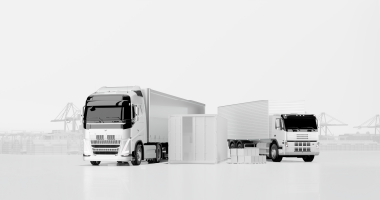
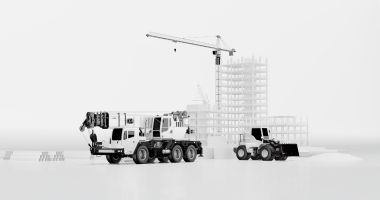
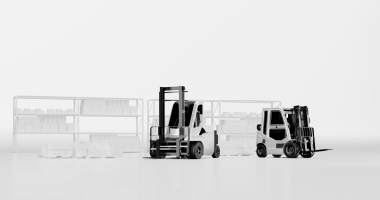
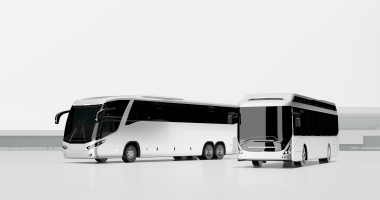






An AI BSD Solution helps commercial vehicle operators address a persistent safety challenge: detecting people and vehicles in areas that drivers cannot easily observe. Trucks, buses, and specialist vehicles routinely operate around cyclists, pedestrians, delivery workers, and other traffic. Their size, body configuration, and operating environment can make surrounding hazards difficult to identify, particularly during turns and low-speed maneuvers. By combining camera-based perception with intelligent detection and driver alerts, blind spot detection technology can support better situational awareness. For fleet managers, the priority is choosing a system that performs reliably in everyday operations and fits the vehicles, routes, and people it serves.
Commercial vehicle blind spots are shaped by more than vehicle length. Cab height, window positioning, bodywork, cargo, and trailer configuration all influence what a driver can see. A pedestrian standing close to the front of a high cab may be difficult to observe directly, while a cyclist traveling alongside a truck can move between different viewing areas. On an articulated vehicle, the relationship between the tractor and trailer changes during a turn, creating additional challenges for camera placement and coverage. Understanding these conditions is the starting point for any effective safety specification.
Drivers must also divide their attention between several tasks. At an urban junction, they may need to check traffic signals, monitor crossing pedestrians, assess approaching vehicles, and judge the space required to complete a turn. Mirrors and conventional cameras provide valuable visual information, but the driver still needs to look at the relevant view at the right moment. Intelligent detection adds another source of information by drawing attention to a detected target within a configured area. Its practical value depends on whether that notification is timely, understandable, and relevant to the maneuver.
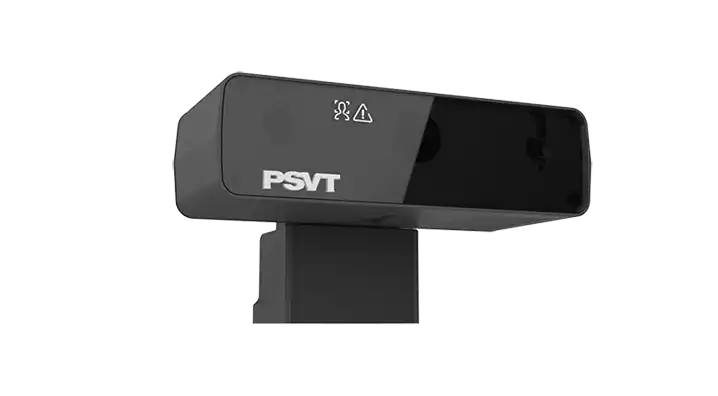
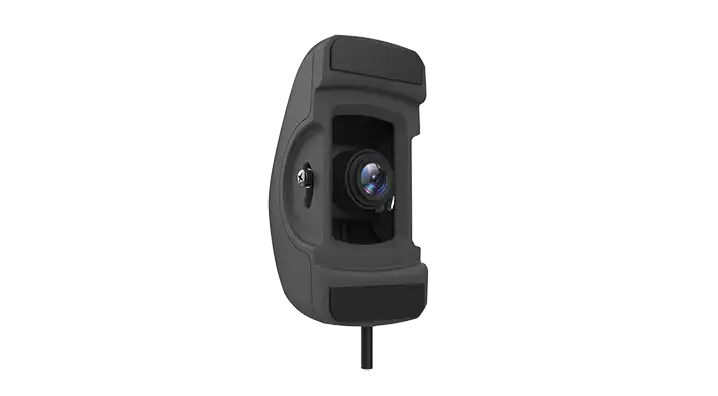
An AI BSD Solution is a blind spot detection system that uses artificial intelligence to analyze sensor information and identify specified targets around a vehicle. In a camera-based configuration, image-processing hardware and trained detection models interpret video to recognize categories such as pedestrians, cyclists, or vehicles. The system then applies configured rules to determine when to provide information or issue an alert. Depending on its design, processing may take place inside the camera, in a separate controller, or in an integrated vehicle electronics platform.
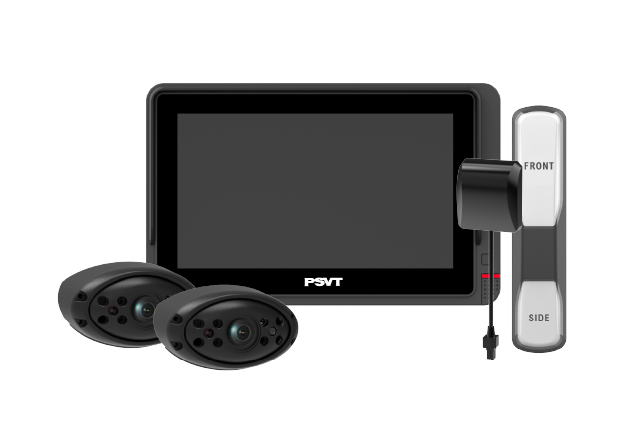
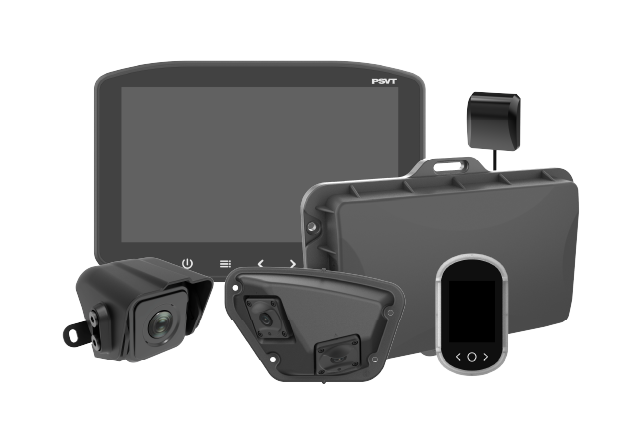
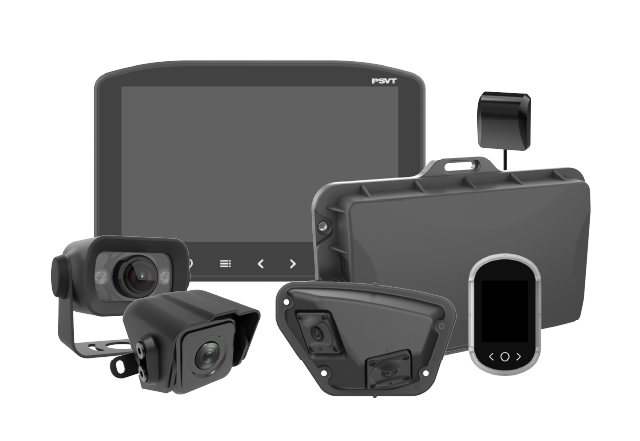
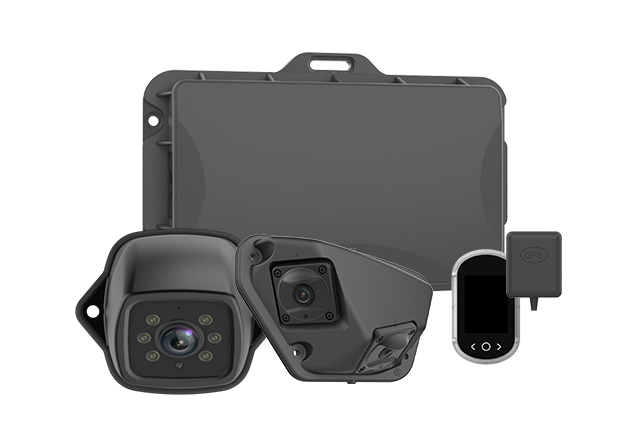
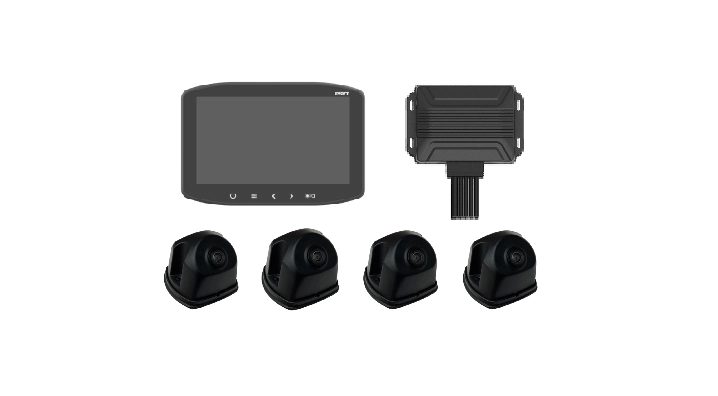
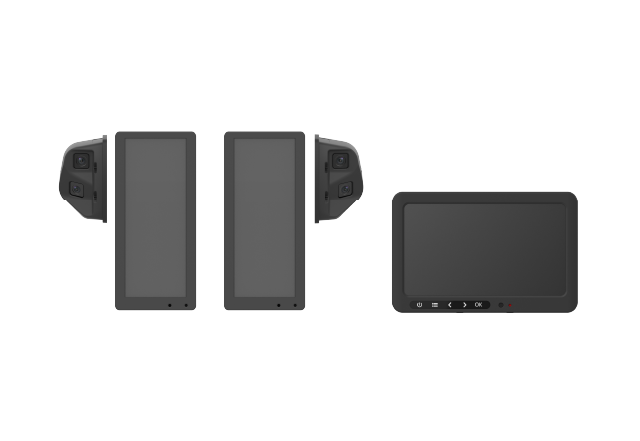
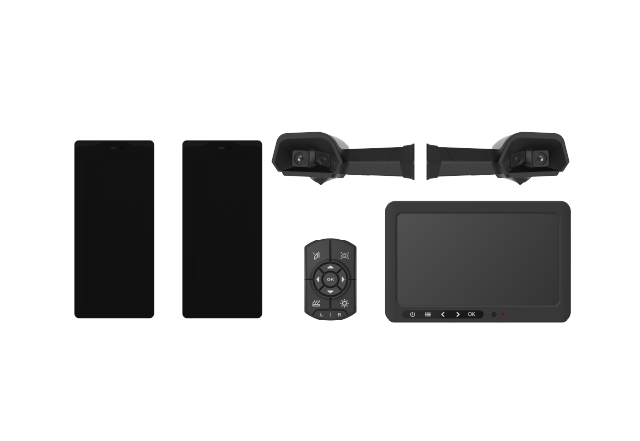
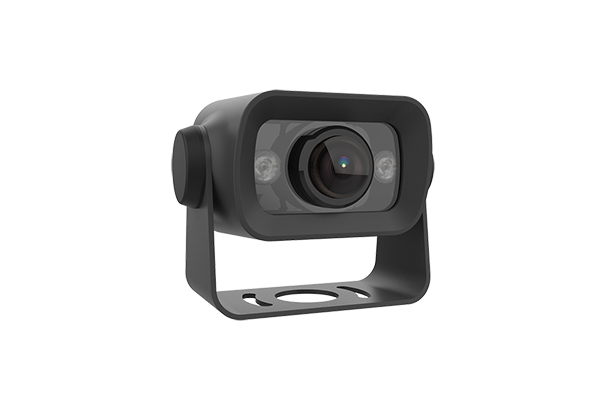
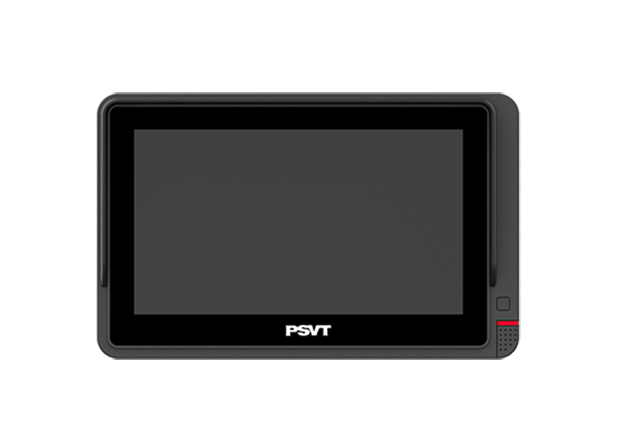
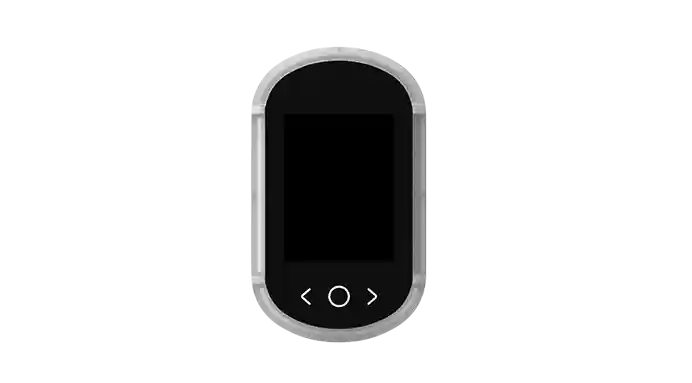
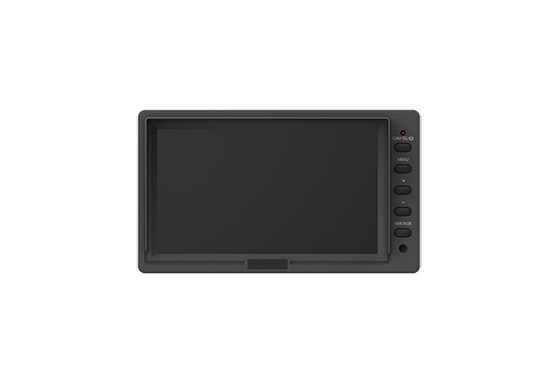
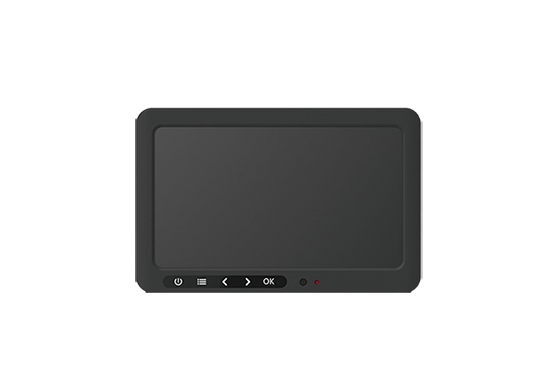
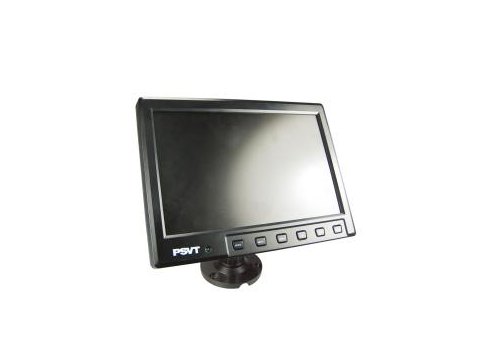
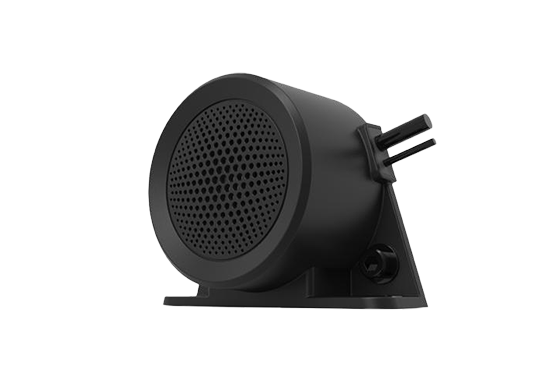
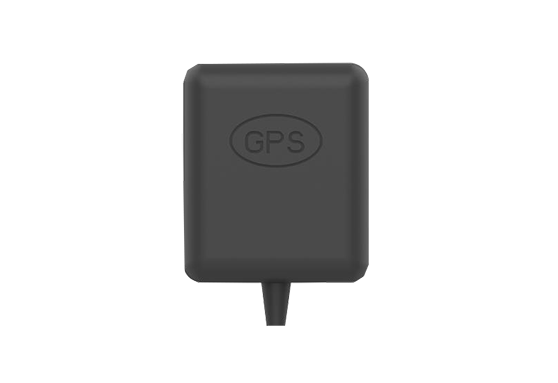
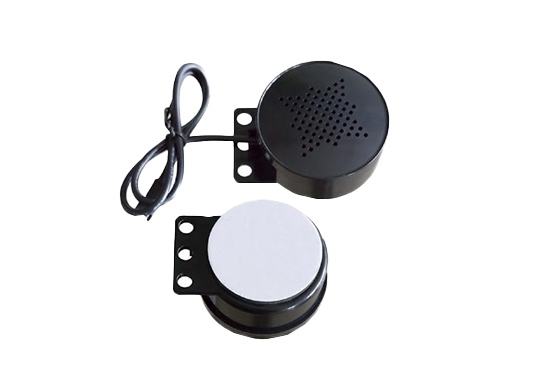
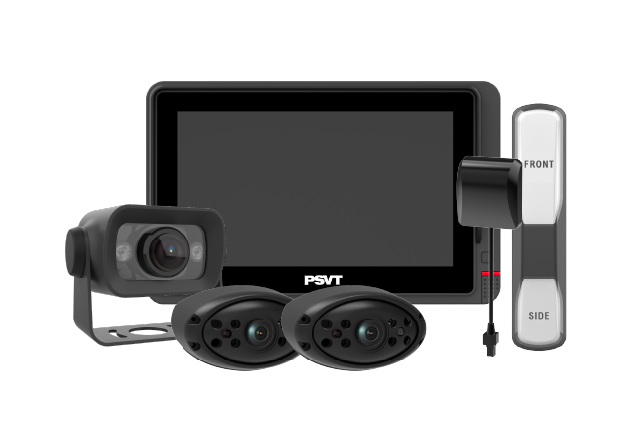
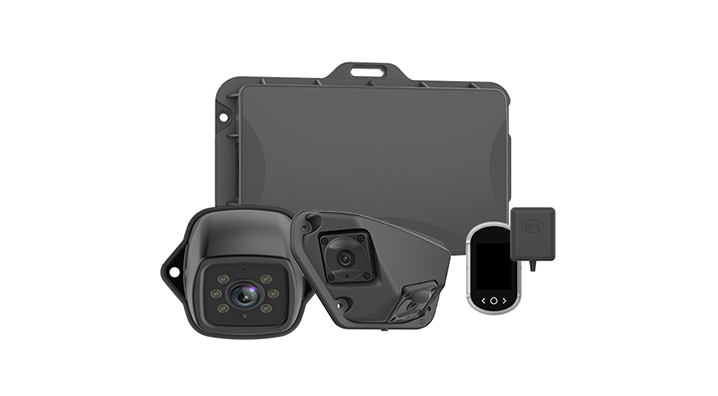
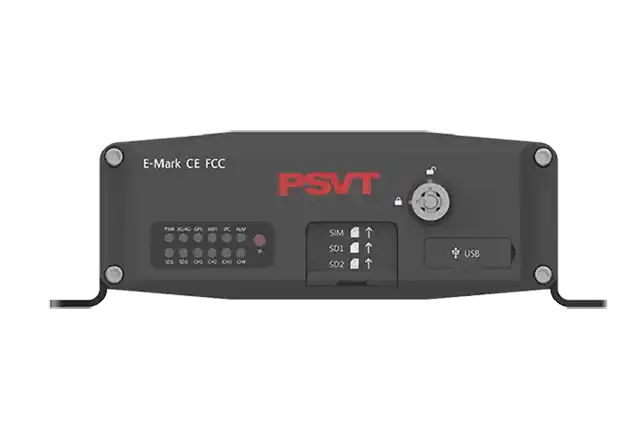
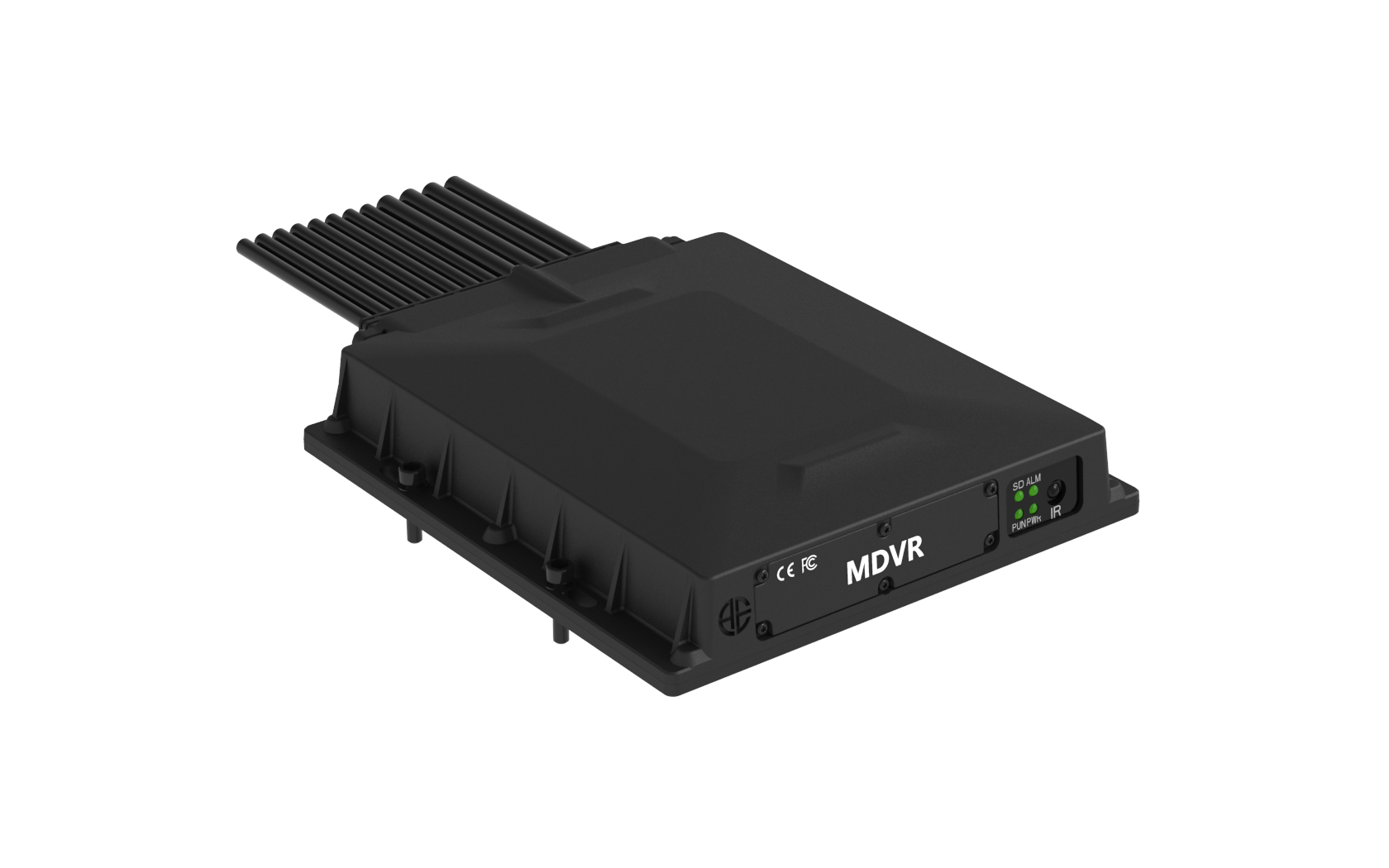
A complete installation typically includes one or more cameras, processing capability, a driver interface, and the wiring or communication links connecting them. Some systems provide visual overlays on a monitor, while others use dedicated indicators or audible warnings. Available functions vary substantially between products. A camera that recognizes pedestrians does not necessarily detect cyclists or vehicles with the same performance, and an alerting system does not automatically provide recording or remote connectivity. Buyers should therefore evaluate the complete configuration and its documented operating limits rather than relying on the presence of an AI label.
The process begins with capturing a usable image of the intended monitoring area. Camera mounting height, viewing angle, lens selection, and vehicle geometry determine whether the relevant targets appear clearly enough for analysis. The detection model then examines the image for objects belonging to supported categories. Depending on the system, tracking logic can associate detections across successive frames, helping distinguish a continuing target from a momentary image artifact. Configured detection zones identify which parts of the scene should contribute to notifications.
The next stage is deciding how to communicate with the driver. Some products trigger an alert when a supported target enters a defined zone. More sophisticated configurations may also consider vehicle speed, direction indicators, target movement, or other available inputs. These capabilities should be confirmed individually because they are not universal. The final output should help the driver understand where attention is needed without requiring lengthy interpretation. Detection quality, processing delay, alert logic, and interface design all influence the usefulness of the information delivered.
An AI BSD Solution is particularly relevant where commercial vehicles and people repeatedly share limited space. Urban distribution routes are a clear example: trucks approach loading areas, turn through busy junctions, and stop near shops or delivery entrances. A cyclist or pedestrian may enter the monitored area while the driver is assessing another part of the scene. Appropriately configured side detection can provide an additional cue, helping the driver recognize that someone is nearby before continuing a maneuver.
Bus operations present a different combination of risks. Stops, terminals, depot entrances, and congested streets bring passengers and other road users close to large vehicles. Construction and service fleets may encounter workers walking between equipment, parked vehicles, and temporary access routes. Rear monitoring can also support awareness during reversing where the selected system explicitly supports that application. Each scenario requires its own assessment. A configuration developed for side monitoring on a rigid truck should not be assumed suitable for a bus front zone or an articulated trailer without further engineering and validation.
Conventional cameras help drivers inspect areas around a vehicle, but displaying additional images does not guarantee that an emerging hazard will receive attention. Intelligent detection can make the visual information more actionable by identifying a supported target and highlighting its location. For example, an on-screen marker may help the driver find a person within a busy scene, while a dedicated indicator can direct attention toward a particular side of the vehicle. The interface should make that information easy to interpret during normal driving tasks.
However, useful alerts require restraint as well as sensitivity. If a system repeatedly produces warnings that drivers consider irrelevant, confidence in those warnings may decline. Buyers should examine how the product handles static objects, targets near zone boundaries, and repeated detections of the same person. They should also understand whether the system provides a simple presence notification or evaluates a more specific conflict condition. Clear distinctions between information and urgent warnings help drivers form realistic expectations about what each signal means.
When comparing an AI BSD Solution, a headline accuracy figure provides only a starting point. Buyers need to know what was measured, which target categories were included, and under what conditions the testing occurred. A percentage derived from selected daytime images does not establish equivalent performance at night, in heavy rain, or with partially obscured targets. Detection performance also depends on target size in the image, mounting position, background complexity, and the boundaries of the supported operating environment.
A stronger evaluation examines missed detections and false alerts separately. Missing a nearby cyclist and identifying an empty area as occupied are different problems, so a single combined percentage can hide important tradeoffs. Fleets should also assess detection continuity, alert timing, and total system delay. Ask suppliers for test methods and results that reflect the intended application, then verify performance on representative vehicles. Demonstrations are useful for understanding operation, but a structured pilot provides better evidence of how the system behaves across routes, drivers, weather conditions, and vehicle configurations.
Even a capable detection model depends on the quality of the information it receives. Poor camera positioning can leave a critical area outside the image, reduce a person to too few pixels, or allow vehicle bodywork to obscure the view. A wide-angle lens increases scene coverage, but it can also make distant targets appear smaller. Camera selection should therefore balance coverage with the level of image detail needed for the intended detection task. A wider field of view alone does not demonstrate better protection.
Lighting and environmental conditions deserve equal attention. Strong backlighting, nighttime headlights, reflective surfaces, rain droplets, mud, and condensation can affect image usability. Features such as high dynamic range, suitable low-light performance, lens heating, or contamination detection may help address particular conditions where they are available. Their effectiveness still needs to be assessed on the installed system. Cleaning access, secure mounting, connector protection, and cable routing are practical design decisions that influence whether the equipment continues to provide useful information throughout everyday fleet service.
An AI BSD Solution should fit the fleet’s existing operating environment and maintenance capabilities. Some operators may need a standalone retrofit with dedicated indicators, while others may prefer integration with an existing monitor or mobile recording platform. Before selecting equipment, confirm electrical requirements, video formats, communication interfaces, available inputs, and output behavior. Physical connector compatibility does not establish complete functional compatibility, and a successful video connection does not necessarily mean that detection alerts or event information will also be supported.
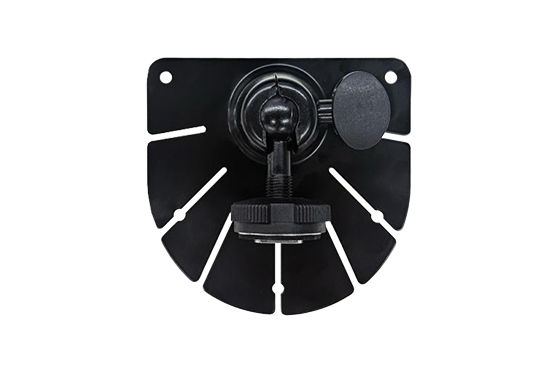
For mixed fleets, standardization should focus on consistent driver experience and maintainable installation practices. Different vehicle types may require different mounting brackets, camera locations, or zone settings, even when they share a common platform. Installation records should capture the approved configuration for each vehicle category, including software version and commissioning results. This makes later servicing easier and helps avoid accidental changes to coverage. OEMs and system integrators should also consider diagnostic access, replacement-part availability, software change management, and the supplier’s ability to support the product over the expected vehicle service life.
Blind spot detection is a broad product category, while regulatory requirements describe specific functions and assessment conditions. For example, United Nations Regulation No. 151 concerns the approval of motor vehicles with regard to a Blind Spot Information System for the Detection of Bicycles. This illustrates why a general claim that a product “detects blind spots” is insufficient to establish suitability for a particular regulated application. Buyers need evidence relevant to the intended vehicle and system configuration.
A supplier’s regulatory documentation should be reviewed for its scope, applicable versions, installation requirements, and any restrictions. Confirm whether the evidence relates to the complete vehicle application, a specific system configuration, or supporting component tests. Avoid assuming that a feature upgrade, additional camera, or alternative mounting arrangement preserves the same approval position. For projects with market-specific requirements, involve the vehicle manufacturer, approval specialist, or responsible technical authority early enough to resolve questions before equipment is ordered and installed.
The business case for an AI BSD Solution should connect safety objectives with measurable operational outcomes. Relevant costs extend beyond the purchase price: installation labor, commissioning, driver familiarization, maintenance, replacement parts, and vehicle downtime all influence total ownership cost. Operators should also consider the consequences they are trying to reduce, such as collision-related repairs, investigation time, service disruption, and the human impact of an incident. These factors help establish project priorities without relying on unsupported promises about guaranteed savings.
A pilot should define success before deployment begins. Useful measures include equipment availability, verified nuisance alerts per operating hour, driver understanding, maintenance demands, and performance in safely staged detection scenarios. Where recording and event integration are available, reviewed events may provide additional operational insight, subject to applicable privacy requirements. Collision data can contribute to a longer-term evaluation, but a short pilot or small vehicle sample rarely supports a reliable claim about percentage reductions. Comparing operational evidence with total cost gives procurement teams a stronger basis for deciding whether and how to expand.
Commissioning should verify more than whether the monitor displays an image. The installation team should check the intended coverage, configured zones, alert outputs, relevant vehicle inputs, and any supported fault indications. Controlled testing should use appropriate safety procedures and representative target positions. For articulated vehicles, assess how changing tractor and trailer geometry affects the view. Record the accepted configuration so that future technicians can restore the system correctly after repairs or component replacement.
Drivers also need a clear introduction to the system. Explain what each signal means, which areas are monitored, and what limitations remain. An alert supports observation and safe decision-making; it does not authorize a maneuver or replace established checks. Maintenance teams should know how to identify blocked lenses, damaged mounts, wiring problems, and calibration issues. A process for reporting recurring false alerts or missed detections allows the fleet and supplier to investigate problems systematically. This ongoing feedback helps keep the installation useful after the initial rollout.
The strongest procurement decisions begin with a clear description of the problem. Identify which maneuvers create concern, who enters the surrounding area, and what information would help the driver respond. Then assess whether the proposed equipment provides the necessary coverage, target recognition, alert behavior, and service support. This approach gives fleet managers, OEMs, and integrators a shared basis for comparing proposals and testing supplier claims.
Before moving to a full rollout, request a vehicle-specific coverage proposal and a practical demonstration under representative operating conditions. A well-designed project combines suitable technology with careful installation, understandable alerts, driver engagement, and ongoing maintenance. Together, those elements can make intelligent blind spot detection a useful part of a wider commercial vehicle safety program.
An AI BSD Solution analyzes sensor information to detect supported targets within configured areas around a vehicle and provides information or alerts to the driver. Camera-based systems commonly recognize selected categories of road users, but capabilities vary. Confirm the supported targets, monitoring zones, operating conditions, and alert logic for the specific product being considered.
A standard camera provides an image for the driver to interpret. Intelligent detection adds automated analysis that can identify supported targets and draw attention to their presence. Both image quality and detection behavior matter. A clear camera image does not by itself prove reliable detection, and a detection alert does not remove the need for observation.
Some systems support all three categories, while others focus on a narrower set of targets. Performance may differ by category, distance, lighting, and degree of obstruction. Buyers should request category-specific evidence and test relevant scenarios rather than assuming that a general object-detection claim covers every road user equally.
An AI BSD Solution can be retrofitted where suitable equipment and installation arrangements are available. Feasibility depends on vehicle geometry, electrical compatibility, mounting access, cab layout, and any intended integration. A survey should establish camera locations, cable routes, alert placement, and commissioning requirements before the installation schedule and cost are finalized.
Blind spot detection should not be assumed to control braking or steering. Many systems provide information and warnings only. Any intervention function must be explicitly specified and supported by the appropriate vehicle integration and validation. Procurement documents and driver training should clearly distinguish detection, warning, and vehicle-control capabilities.
Performance depends on the complete system and the conditions it encounters. Low light, glare, heavy precipitation, contamination, and target obstruction can affect camera-based detection. Evaluate representative conditions within the supplier’s stated operating limits, and establish cleaning and maintenance procedures that keep the camera view usable.
No. Compliance depends on the applicable requirements, vehicle category, system configuration, installation, and supporting evidence. A product’s marketing description or AI capability alone does not establish approval. Review the relevant documentation and confirm that it covers the proposed application before making compliance claims.
Ask for a vehicle-specific coverage plan, supported target categories, operating limits, false-alert and missed-detection evidence, integration details, and maintenance requirements. Also request a clear explanation of regulatory documentation and product support. A representative pilot can then test whether the proposed configuration meets the fleet’s practical acceptance criteria.