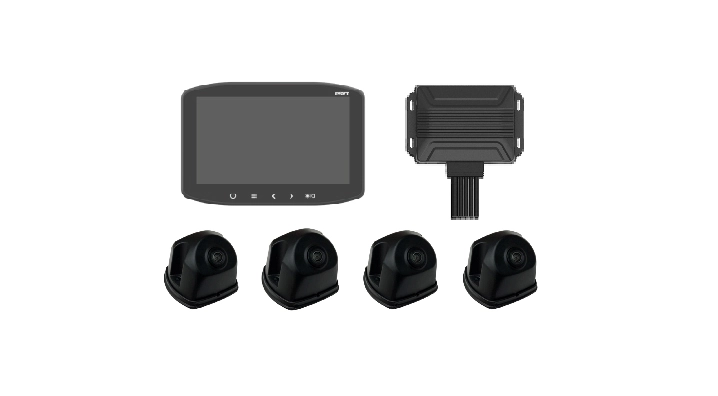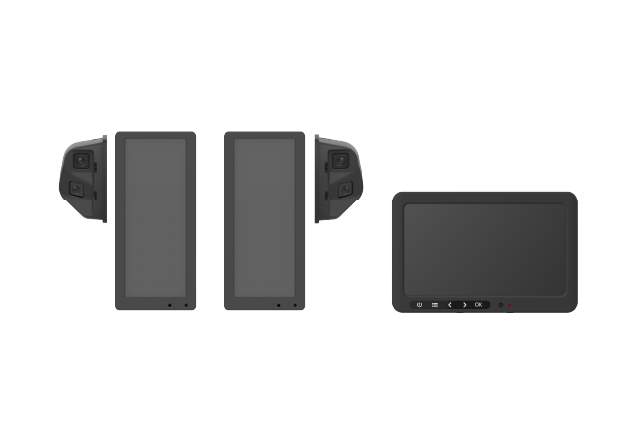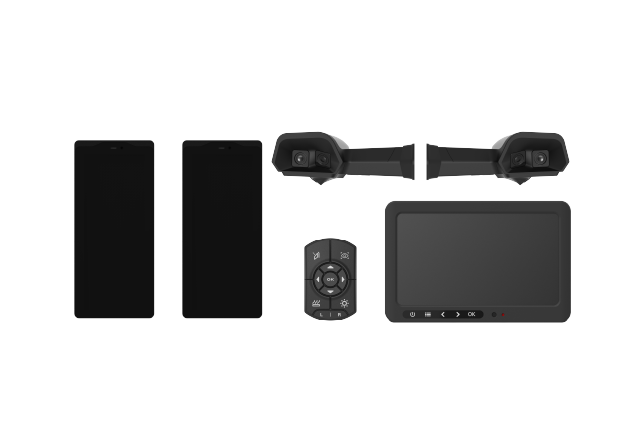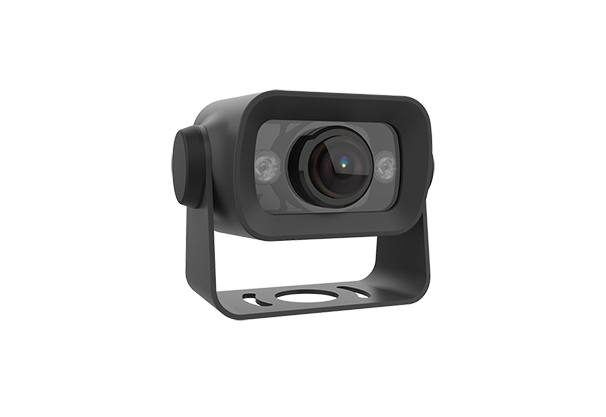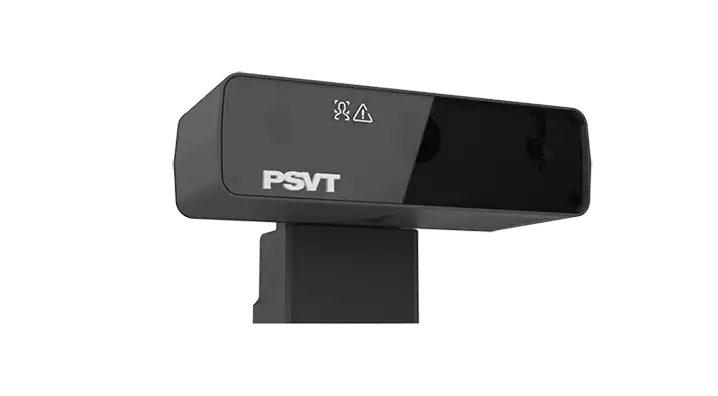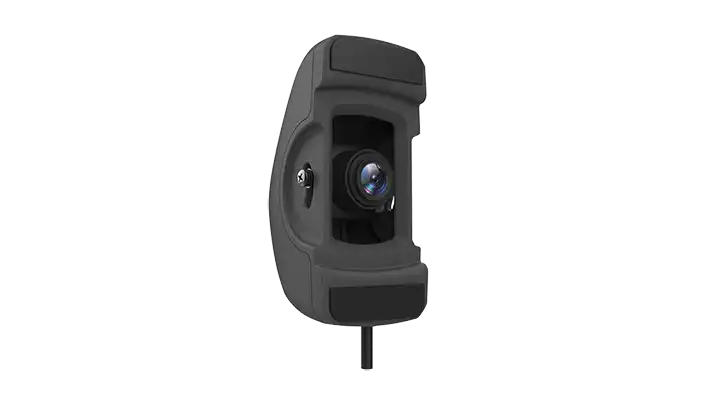
UN Regulation R151/R159/R158
View More










A Blind Spot Monitoring System helps commercial vehicle drivers identify road users in areas that are difficult to observe through direct vision or mirrors. For fleet operators, its value extends beyond adding another warning device: it can support safer decisions during lane changes, urban turns, and other demanding maneuvers. However, choosing an effective solution requires more than comparing detection distances or camera resolutions. Vehicle geometry, operating conditions, warning behavior, installation quality, and driver acceptance all influence whether the technology becomes a useful part of everyday operations.
For transport businesses, safety decisions also carry operational consequences. A collision can interrupt deliveries, remove a vehicle from service, require investigation, and place additional pressure on drivers and dispatch teams. The purchasing question is therefore practical: which solution addresses the fleet’s actual exposure, and how can its performance be verified before a wider rollout? This guide explains the technology, the applications that matter most, and the evaluation criteria fleet managers should use.
Commercial vehicles create visibility challenges because of their height, length, body structure, and operating environment. A person close to the cab may be difficult to see, while a smaller vehicle traveling beside a long truck can move through areas that require careful mirror checks. Trailers, bodywork, and equipment can also affect the driver’s view. These challenges change as the vehicle turns, reverses, or moves alongside other traffic, making visibility a dynamic problem rather than a fixed diagram around the vehicle.
The driver must manage these conditions while monitoring signals, road markings, pedestrians, delivery instructions, and surrounding vehicles. At a busy junction, several demands may compete for attention at the same moment. Mirrors and cameras remain essential, but they depend on the driver looking at the relevant view at the right time. Active detection can add another layer of awareness by drawing attention to a monitored hazard. Its purpose is to support the driver’s observation and judgment throughout the maneuver.
At its core, a Blind Spot Monitoring System monitors a defined area and provides information or warnings when a relevant target is detected. Depending on the product, those targets may include vehicles, pedestrians, cyclists, or a combination of road users. Detection can rely on radar, cameras, or multiple sensors working together. The monitored area and supported operating conditions vary considerably, so buyers should establish exactly what each proposed configuration is designed to detect.
Terminology also matters. NHTSA distinguishes blind spot warning, which alerts drivers to vehicles in adjacent lanes, from blind spot intervention, which can provide steering or braking assistance. A warning product should therefore never be assumed to control the vehicle automatically. Fleet buyers need a clear explanation of what happens after detection: whether the system displays information, sounds an alert, records an event, or supports an intervention function. Those are separate capabilities with different integration requirements.
A Blind Spot Monitoring System generally follows a sequence of sensing, target assessment, and driver notification. Sensors collect information from the monitored area, and processing software determines whether a target meets the configured alert conditions. Some solutions use additional vehicle signals, such as speed or turn-indicator status, to adapt their behavior. Buyers should confirm which inputs are supported and how the system behaves when a signal is unavailable.
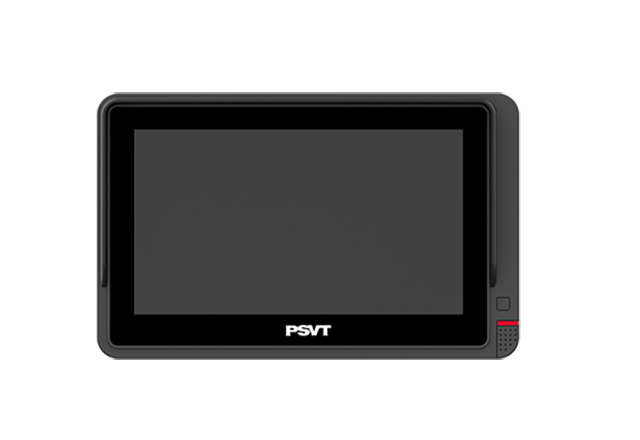
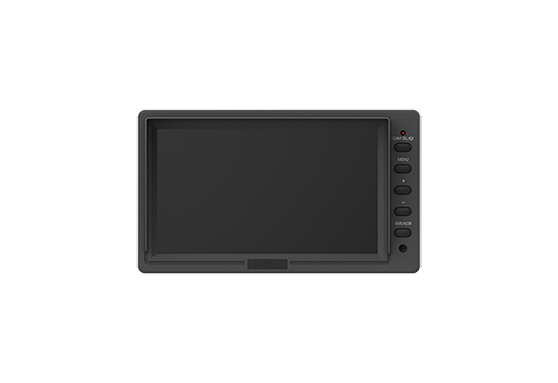
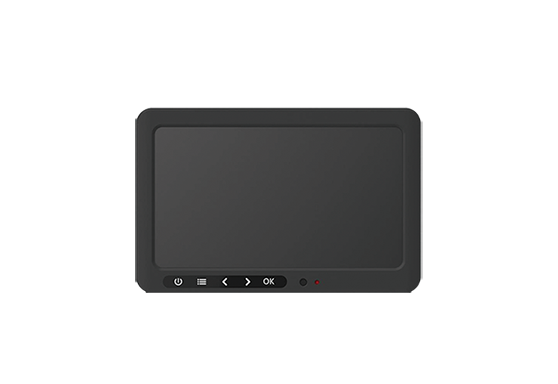
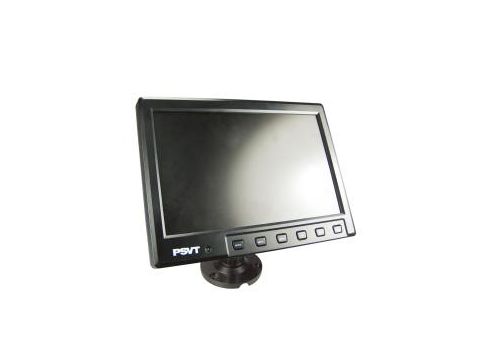
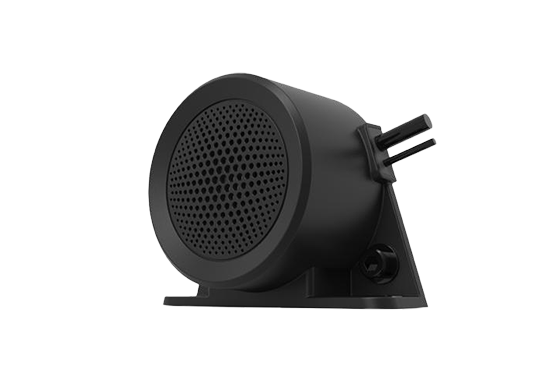
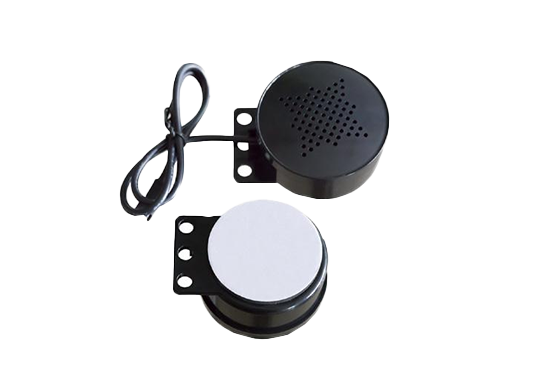
The quality of the warning interface is just as significant as detection performance. Drivers need to understand where the hazard is and how urgently they should respond. A directional indicator can help identify the affected side, while a more prominent visual or audible warning may communicate increased urgency. The interface should fit the cab environment, remain recognizable in daylight and darkness, and avoid competing unnecessarily with other alerts. A technically capable detector offers limited practical value if its warnings are confusing or routinely ignored.
Radar-based solutions can provide measurements useful for assessing target distance and relative movement. Their suitability depends on sensor design, placement, field of coverage, and processing logic. Fleet buyers should investigate how a proposed configuration handles close-range targets, stationary surroundings, crowded traffic, and interference from vehicle structures. The presence of radar alone does not establish that a product can reliably identify every type of road user required by the application.
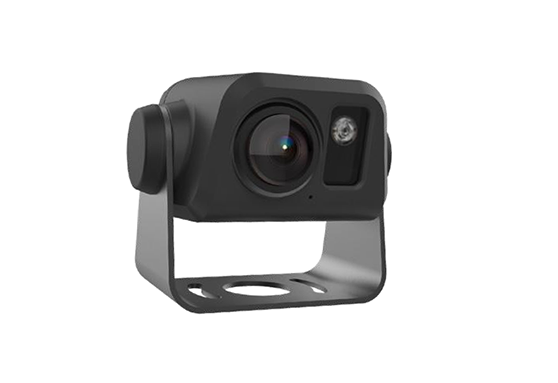
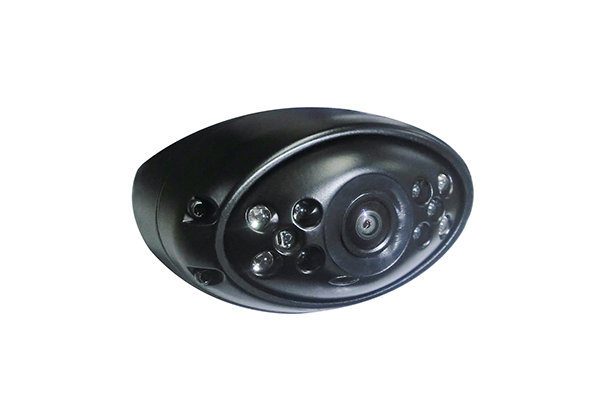
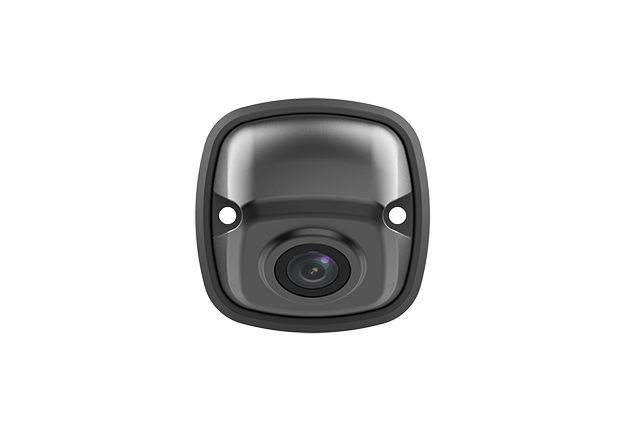
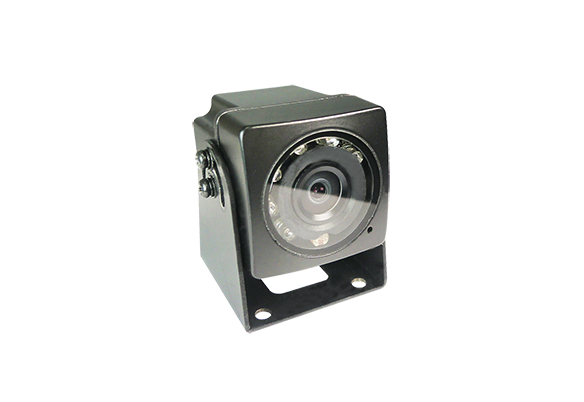
Camera-based solutions provide visual information, and AI processing may classify supported targets such as people, cyclists, and vehicles. A displayed image can help the driver understand the reason for an alert. However, buyers should examine performance when targets are partly obscured, lenses become dirty, or lighting changes sharply. Claims about detection accuracy need context: the target categories, test conditions, detection zones, and missed detections should all be available for review.
When evaluating a Blind Spot Monitoring System that combines radar and cameras, ask how the sensors work together. Some products merely place both technologies on the same vehicle, while others combine their outputs within a common decision process. The distinction affects alert behavior, diagnostics, installation, and cost. Sensor fusion may be valuable, but its advantages should be demonstrated in relevant scenarios. The strongest purchasing decision comes from observed performance on representative vehicles rather than an assumption that more hardware always produces better results.
Urban delivery vehicles repeatedly encounter cyclists, pedestrians, parked vehicles, and restricted access points. For these fleets, close-range side coverage and dependable alerts during low-speed turns deserve particular attention. Evaluation should include people approaching alongside the vehicle, targets entering the monitored area while the vehicle waits, and situations involving several road users. The test should reflect typical delivery routes and junction layouts rather than only an open demonstration area.
Long-haul trucks face different priorities. Lane changes, merging traffic, overtaking vehicles, and trailer configurations can influence the required coverage. A sensor arrangement suitable for a rigid truck may leave important gaps on an articulated combination. Fleet buyers should ask whether the proposal accounts for trailer length, articulation, and changing tractor-trailer pairings. They should also distinguish immediate side detection from functions intended to assess vehicles approaching from farther behind.
Buses, refuse vehicles, and construction fleets introduce further variations. Passenger activity, roadside workers, machinery, and narrow maneuvering spaces can create complex surroundings. A Blind Spot Monitoring System should be evaluated against the road users and movements relevant to each vehicle group. Side detection also needs to be considered alongside separate front and rear visibility requirements. A fleet may need several complementary safety functions, each with clearly defined coverage, rather than expecting one product to address every hazard around the vehicle.
Regulatory terminology should be handled carefully during procurement. UN Regulation No. 151 addresses vehicle approval concerning blind spot information systems for detecting bicycles. Its scope is more specific than the broad marketing term “blind spot detection.” A product’s ability to detect people or vehicles does not, by itself, establish that a particular vehicle installation meets the relevant approval requirements.
Ask suppliers to identify the exact approval or test evidence supporting their claims, including the product configuration and installation conditions covered. Procurement teams should distinguish formal approval, testing against selected requirements, and a statement that a product is designed to support compliance. For a regulated application, confirm the applicable requirements for the vehicle and market before placing an order. This creates a clearer purchasing specification and reduces the chance of discovering documentation gaps after installation.
The financial case should begin with the fleet’s own incident history. Review relevant collisions, repairs, vehicle downtime, claims administration, replacement vehicle costs, and disrupted work. Separate the incident categories the proposed technology could plausibly address from those outside its scope. This prevents the business case from assigning the system benefits it cannot reasonably deliver.
Next, account for the full deployment cost: hardware, installation, calibration, training, maintenance, and any recurring service charges. A Blind Spot Monitoring System may help reduce exposure to costly events, but no universal savings figure applies to every fleet. Build scenarios using stated assumptions and test those assumptions during a pilot. Where benefits are difficult to quantify, such as improved driver confidence or clearer incident review, report them separately from verified financial savings.
A useful pilot includes representative vehicle types, routes, shifts, and drivers. Define the evaluation criteria before installation so the decision is not driven solely by positive demonstrations. Assess detection consistency, missed targets, nuisance alerts, warning clarity, driver response, equipment availability, and maintenance effort. Controlled tests can establish baseline behavior, while everyday operation reveals how the system performs in the fleet’s actual environment.
Driver feedback is essential because drivers experience the warning interface continuously. Ask when alerts were helpful, when they were distracting, and whether their meaning was clear. Investigate complaints rather than treating them automatically as resistance to new technology. A misplaced sensor or unsuitable configuration can create avoidable nuisance warnings. Adjustments should follow supplier guidance and preserve required functionality. Document the final configuration so successful pilot settings can be reproduced during rollout.
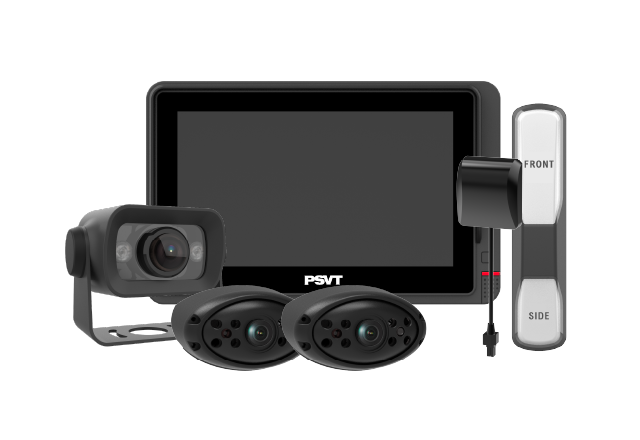
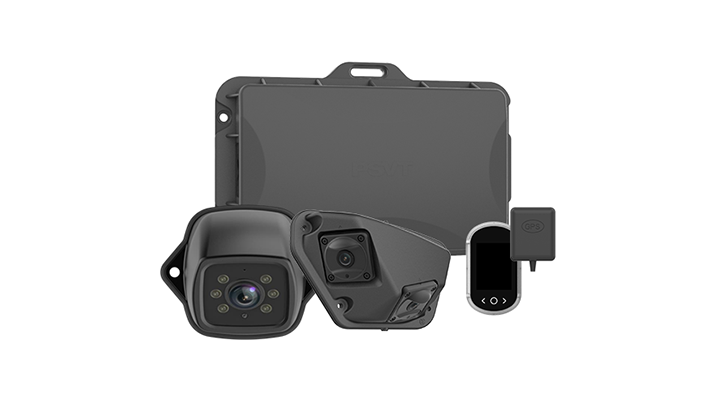
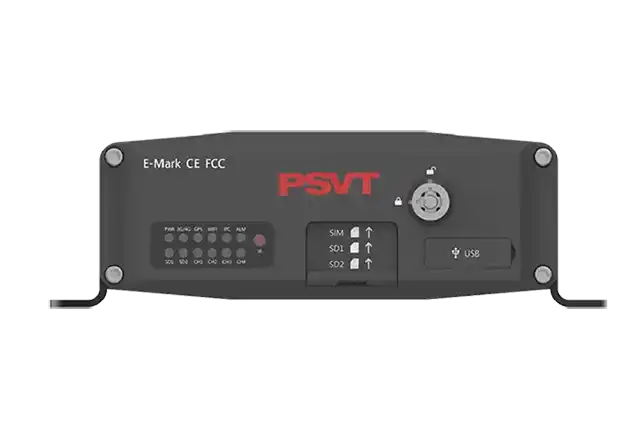
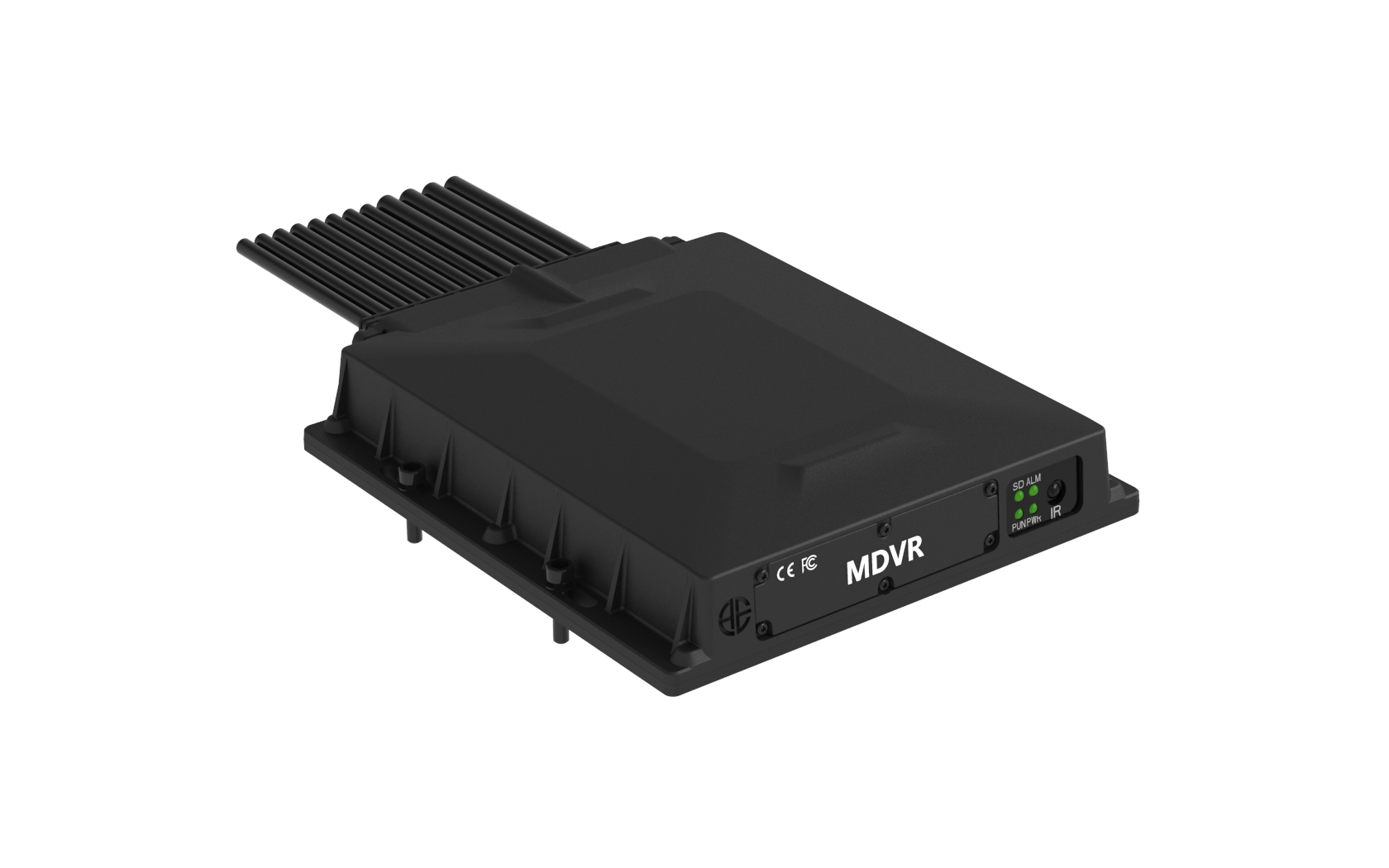
Blind spot detection, camera monitoring, and video recording serve different purposes. A camera view helps the driver inspect an area, active detection draws attention to supported targets, and recording can preserve footage for later review. When integrated effectively, these functions may provide a more complete operational picture. Nevertheless, each capability should be specified separately, including what is displayed, what triggers an event, and what information is retained.
An integrated Blind Spot Monitoring System should also fit a clear driver-training program. Training needs to explain coverage, warning levels, limitations, fault indications, and the appropriate response to an alert. Recorded events, where available, can support focused coaching and investigation, subject to the fleet’s access and retention policies. The goal is a repeatable process: drivers understand the warnings, maintenance teams keep equipment functional, and managers use operational feedback to improve deployment.
The strongest deployment starts with a defined problem and continues with measurable operating standards. Identify the vehicle groups with the greatest relevant exposure, select technology that addresses their needs, and validate performance through a representative pilot. Then establish installation checks, driver training, maintenance responsibilities, and a process for reviewing faults and feedback. These steps connect the equipment purchase to everyday fleet management.
When comparing suppliers, look for evidence that translates technical features into dependable driver support. Clear coverage, understandable warnings, realistic performance claims, and accessible service support all matter. Ask prospective partners to assess your vehicle types and demonstrate the proposed solution in your operating scenarios. That conversation provides a stronger foundation for fleet safety investment than a specification sheet alone.
It is a driver-assistance solution that monitors defined areas around a commercial vehicle and provides information or warnings about supported targets. Coverage, target recognition, and alert behavior depend on the product and its installation. Fleet buyers should verify those capabilities for their own vehicle types.
No. It supplements the driver’s observation. Drivers still need to use mirrors, available camera views, and established maneuvering procedures. Understanding the system’s detection zones and limitations is part of using it effectively.
Some can, but capabilities vary. A product designed primarily for adjacent vehicles may not offer the same pedestrian or cyclist detection functions. Ask suppliers for target-specific evidence and demonstrations under conditions relevant to the fleet.
The answer depends on the application and the performance of the complete solution. Compare coverage, supported targets, warning behavior, environmental limitations, and installation requirements. Where sensor fusion is proposed, request evidence showing how combining sensors improves the relevant operating scenarios.
Many products are available for retrofit installation. Suitability depends on vehicle structure, mounting positions, electrical compatibility, and any required vehicle signals. A pre-installation assessment should establish the proposed layout, calibration process, and service requirements.
Warning-only products do not automatically brake. Intervention functions are separate capabilities that require appropriate vehicle integration. Confirm the supplied system’s behavior explicitly rather than assuming that detection includes automatic collision avoidance.
Only if those areas are included in the specified configuration. Side detection does not establish front or rear coverage. Fleets should request a complete coverage map and assess whether complementary front, reversing, or surround-view functions are needed.
Use pilot data to evaluate detection consistency, nuisance alerts, driver acceptance, equipment uptime, and maintenance effort. Review relevant incidents over a meaningful period while accounting for changes in mileage, routes, and fleet composition. Financial conclusions should rely on documented costs and explicit assumptions.