UN Regulation R151/R159/R158
View More











Commercial vehicle fleets operate in an environment where every inch of visibility translates directly into risk exposure, liability cost, and operational efficiency. The E-Mirror System—a camera-and-monitor architecture engineered to replace or supplement traditional glass mirrors—has moved from concept to credible fleet strategy, driven by a convergence of regulatory momentum, hard cost data, and a visibility crisis that conventional mirrors cannot solve. For fleet managers evaluating whether this technology belongs in their next procurement cycle or retrofit budget, the conversation has shifted from “Is it viable?” to “What does a defensible business case look like?” This guide answers that question.
Traditional mirrors have served commercial transport for a century, but their limitations are structural, not incidental. Large exterior mirror housings leave persistent blind zones—particularly on the passenger side, the front-right corner, and along the articulation point of a trailer—that overlap with the highest-risk accident scenarios in urban environments. Cyclists traveling parallel to a delivery vehicle, pedestrians near a right-front corner, and workers around loading docks all occupy the exact spaces that glass mirrors fail to cover reliably. NHTSA data links hundreds of fatalities annually to backover incidents and thousands of injuries to low-speed maneuvers, with large vehicles disproportionately represented because of these blind-spot geometries.
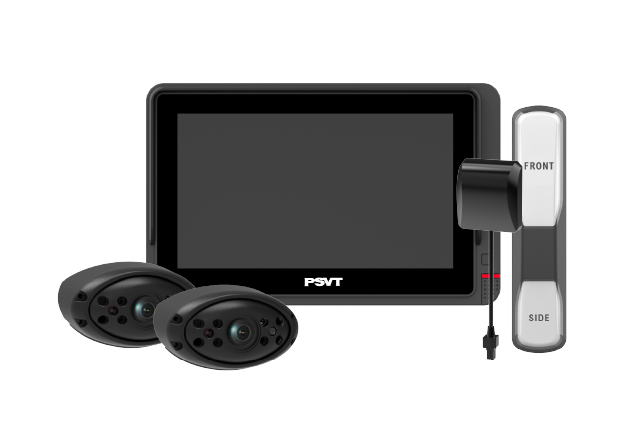
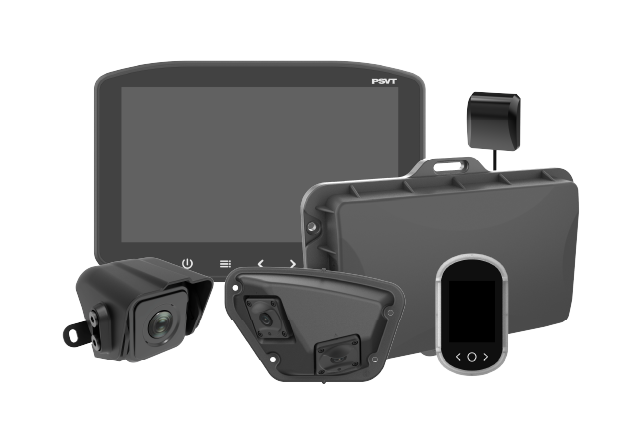
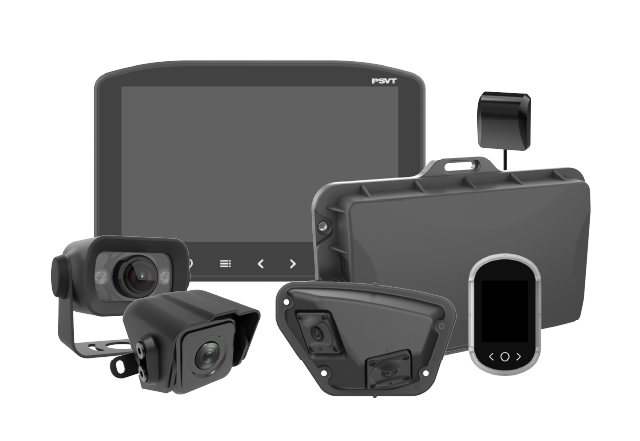
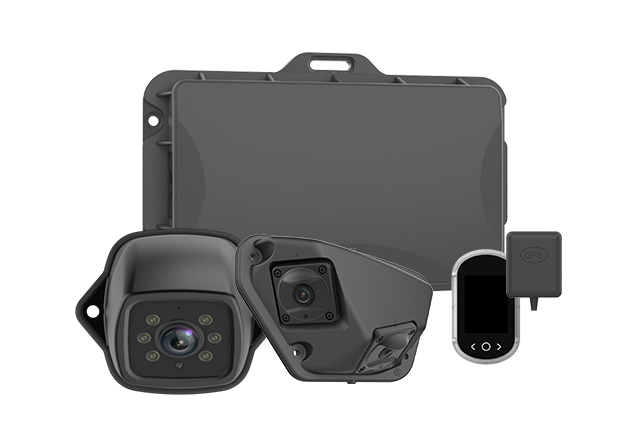
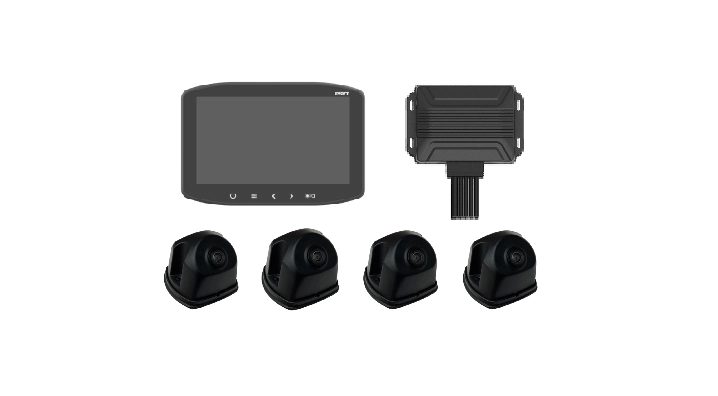
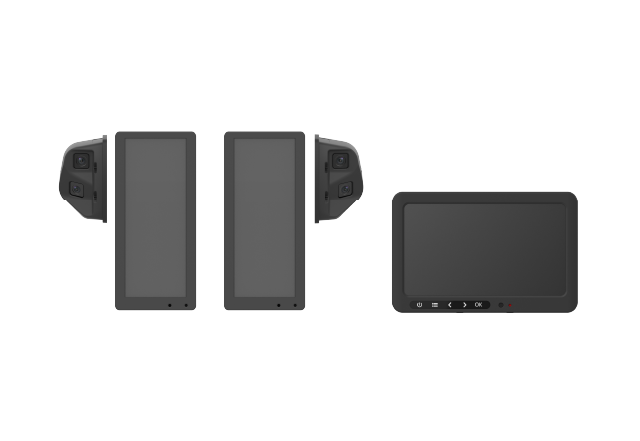
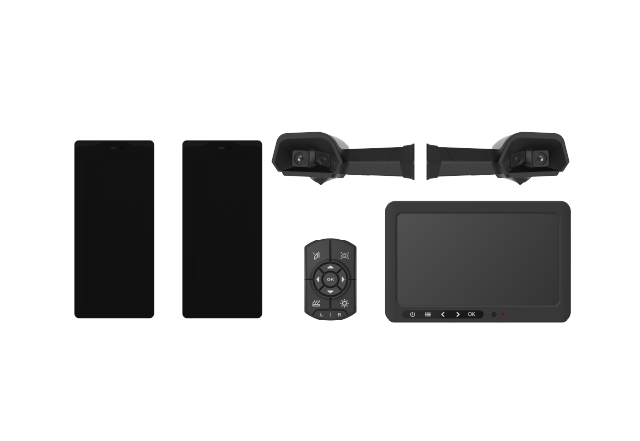
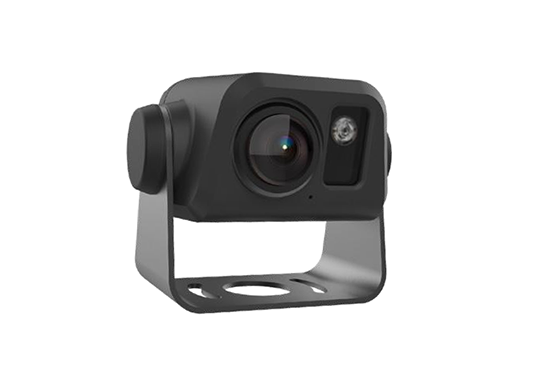
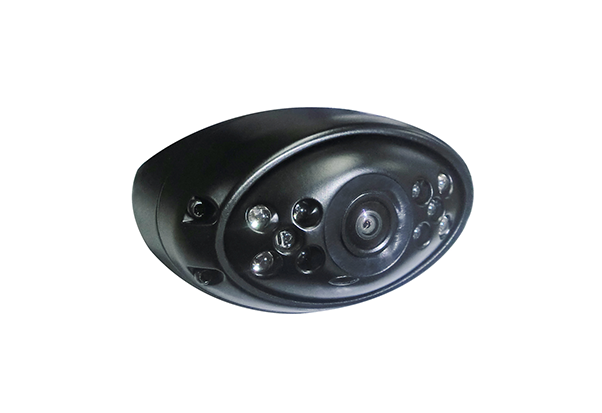
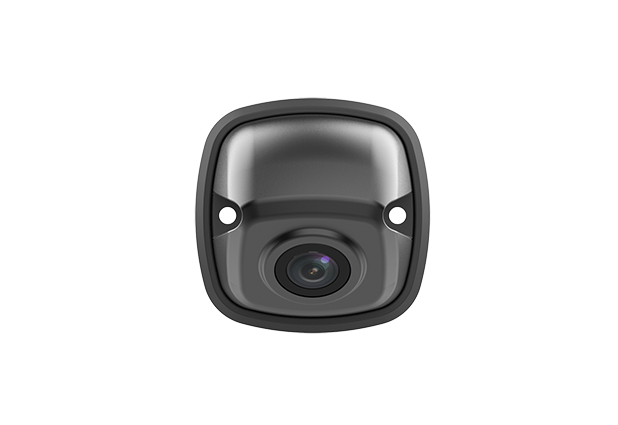
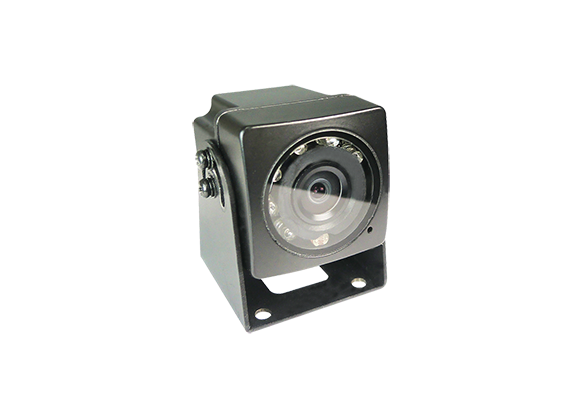
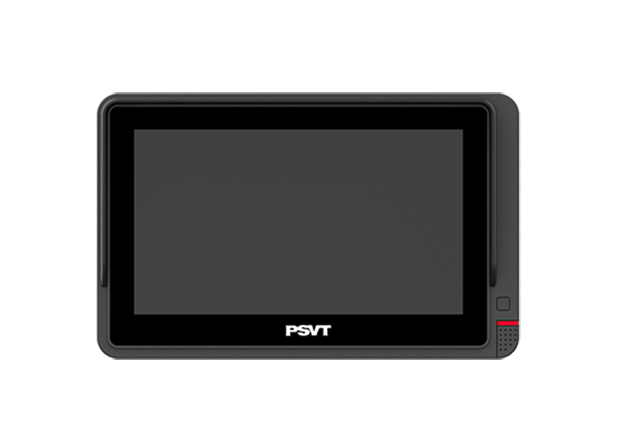
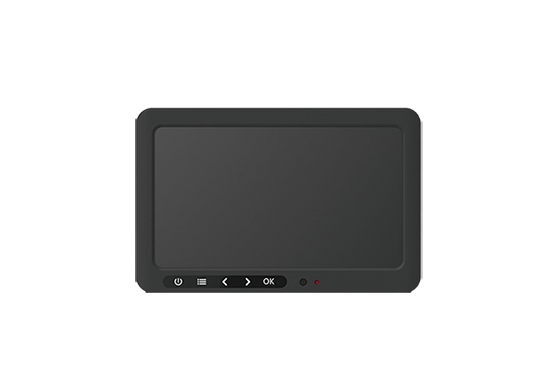
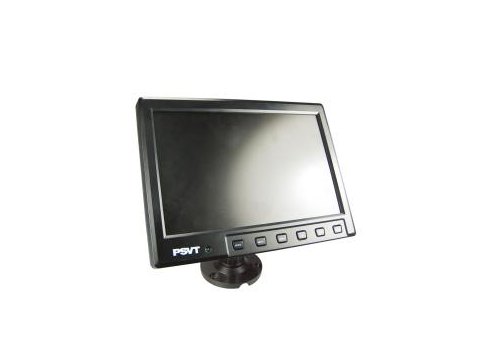
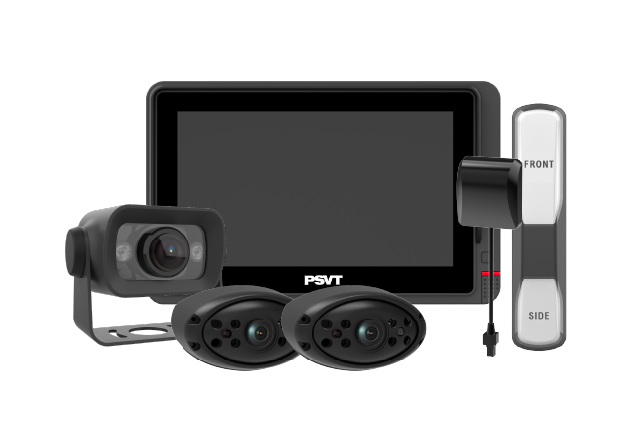
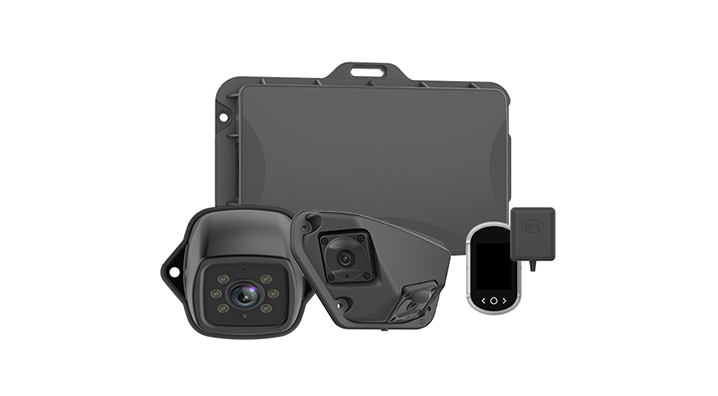
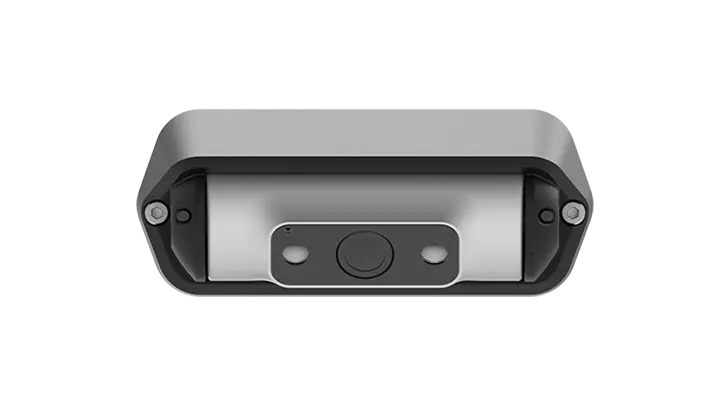
This is where the E-Mirror System changes the geometry of visibility itself. By replacing reflective glass with wide-angle exterior cameras and in-cab displays, the system expands the field of view beyond what any mirror placement can achieve while eliminating the physical obstructions created by mirror housings. Industry data from the UK commercial vehicle market indicates that electronic systems can reduce lateral blind spots by 60–70%, a magnitude of improvement that translates into lower accident-related costs and, increasingly, direct insurance incentives.
Blind-spot reduction is the headline, but the safety architecture of a well-engineered E-Mirror System extends into domains where glass mirrors simply cannot compete. Low-light performance is a defining advantage: traditional mirrors depend entirely on ambient illumination and headlamp reflection, while camera-based systems integrate HDR image processing, low-light enhancement, and infrared-assisted visibility to maintain a usable view during early-morning routes, nighttime driving, and adverse weather. For fleets running 24-hour operations—long-haul trucking, overnight coach services, and urban delivery in winter months—this is not a convenience feature; it is an operational continuity requirement.
The safety stack also includes redundancy and fail-safe design. Regulators and fleet safety teams have rightly asked what happens when a camera fails. The answer, in systems approved under modern standards, is engineered redundancy: if one camera within an assembly fails, the system is designed to maintain a usable view through backup channels, and the driver receives a warning rather than a silent loss of visibility. This is a meaningful departure from the mirror paradigm, where a cracked or misadjusted mirror degrades visibility without any diagnostic signal to the driver.
Safety alone rarely wins a budget argument in fleet procurement. The E-Mirror System’s financial case rests on three reinforcing vectors: aerodynamic fuel savings, maintenance avoidance, and extended asset value through retrofit.
Aerodynamics is the most quantifiable. Protruding mirror housings create drag, particularly on tractors operating at highway speeds for the majority of their duty cycle. Replacing them with compact camera housings reduces aerodynamic resistance, and fleet testing has consistently produced low single-digit fuel economy gains. Prevost’s internal testing on motorcoaches estimated a 3% fuel economy improvement through aerodynamic enhancement. VDL Bus & Coach reports reductions of up to 4% depending on use and conditions. For a high-mileage fleet, these percentages compound across hundreds of vehicles and millions of kilometers, and the payback math becomes difficult to dismiss. Retrofit kits validated to UN R46 are being developed with installation times under two hours, offering fleet operators a 12–24 month payback period through fuel savings alone.
Maintenance avoidance is the second vector. Mirrors are among the most frequently damaged exterior components in commercial vehicle operations—tight depots, congested loading bays, and narrow urban streets exact a steady toll in replacement housings, labor, and downtime. Eliminating the protruding mirror assembly removes that damage pathway entirely, and VDL explicitly frames the reduction in repair and maintenance as a TCO-lowering outcome. The third vector is asset life extension: a well-chosen retrofit brings modern safety and visibility capability to trucks already in revenue service, allowing fleets to capture the benefits without waiting for the next replacement cycle.
Regulatory fragmentation is the single most important variable in fleet adoption strategy, and the landscape is more favorable than many procurement teams assume—provided the right questions are asked. In Europe, UN ECE Regulation No. 46 establishes the legal framework for camera monitor systems as alternatives to conventional mirrors, and systems certified to R46 are permitted on vehicles registered in the EU and other ECE member countries. The EU has reinforced this framework with complementary regulations: UN R151 for Blind Spot Information Systems on heavy vehicles and UN R159 for Moving-Off Information Systems, both of which address the urban conflict zones where commercial vehicle blind spots are most lethal.
In the United States, the pathway is more conservative but not closed. FMVSS No. 111 remains the governing standard for rear visibility, and traditional mirrors remain the default compliance method, but NHTSA has been actively evaluating camera monitor systems as a compliance option, and the agency has requested comment on performance criteria including display aberrations and test repeatability. At the carrier level, FMCSA has granted exemptions for specific E-Mirror System deployments—Prevost received an exemption from 49 CFR 393.80(a) in January 2020 for its eMirror system on motorcoaches, clearing the way for commercial deployment in the North American market. China maintains its own standard under GB-15084, and Taiwan has required compliance with VSTD 27-1 for indirect vision devices since 2024. The practical takeaway for fleet managers is unambiguous: regulatory approval is configuration-specific, and buyers must require suppliers to identify the exact approved configuration and intended applications rather than assuming any high-resolution camera qualifies as a replacement.
A credible fleet strategy acknowledges the friction points, and the E-Mirror System has them. Upfront cost is the most cited barrier: camera systems average approximately USD 5,000 per truck installation, and a sizeable fleet faces a meaningful capital outlay before any fuel or safety savings materialize. Electronic components introduce new failure modes—cameras can become dirty, damaged, iced over, or obstructed, and monitors and wiring add potential points of failure that a glass mirror does not have.
Driver acceptance is equally consequential and frequently underestimated. Surveys of commercial drivers reveal persistent reluctance to convert from standard glass mirrors, driven by concerns about image naturalness, latency, and the cognitive adjustment required to judge distance and trailer position on a screen rather than a reflective surface. The most successful deployments treat training not as a compliance checkbox but as a core implementation workstream: structured familiarization, supervised operation in low-risk environments, and feedback loops that surface adjustment issues before they become incidents. Redundancy design also matters here—drivers who know the system has a fail-safe pathway are more confident in relying on it.
For fleet managers ready to move from evaluation to execution, a staged approach de-risks the investment. Start with a duty-cycle audit: high-mileage highway operations capture the aerodynamic ROI fastest, while urban distribution fleets capture the blind-spot safety value most acutely—and many mixed fleets will find both cases apply to different segments of their operation. Run a controlled pilot on a representative vehicle set, instrumenting fuel consumption, near-miss events, and driver feedback before and after installation. Use the pilot data to build the financial model, and resist the temptation to book insurance savings or collision reductions until the fleet has credible supporting evidence from its own operation. Finally, select a supplier on the strength of its regulatory documentation and lifecycle support, not its camera resolution alone; the difference between a supplementary visibility aid and a legally compliant replacement system lives in the certification file.
The E-Mirror System is not a silver bullet, and fleets that treat it as a plug-and-play upgrade will leave value on the table. But for operators willing to pair the hardware with disciplined training, rigorous pilot measurement, and configuration-specific regulatory verification, the technology offers a rare combination: a safety intervention that also pays for itself. In an industry where margins are thin and liability exposure is asymmetric, that combination is worth serious attention.
It depends on the configuration and the vehicle. FMVSS No. 111 still establishes traditional mirrors as the baseline, but NHTSA has been evaluating camera monitor systems as a compliance option, and FMCSA has granted exemptions for specific deployments, including Prevost’s eMirror system for motorcoaches under 49 CFR 393.80(a). Fleets should verify that the exact system and vehicle configuration carry the necessary approval or exemption.
Reported savings from commercial vehicle testing generally fall in the low single digits. Prevost estimates 3% fuel economy improvement from aerodynamic enhancement, and VDL reports reductions of up to 4% depending on operating conditions. Actual savings depend on duty cycle, highway speed proportion, and annual mileage, which is why a controlled pilot is essential before scaling.
Systems designed to current standards incorporate redundancy: if one camera in an assembly fails, the system is engineered to maintain visibility through backup channels and alert the driver rather than silently degrading. Fleets should confirm the specific redundancy architecture and diagnostic behavior of any system under evaluation.
Camera systems average approximately USD 5,000 per truck installation, though costs vary by system complexity and vehicle class. Retrofit kits validated to UN R46 with sub-two-hour installation times are being developed with 12–24 month payback periods through fuel savings alone, with additional value from maintenance avoidance and safety-related cost reduction.
Acceptance is mixed and depends heavily on implementation. Driver surveys show reluctance driven by concerns about image naturalness, latency, and distance judgment on a screen. Fleets that invest in structured training, supervised familiarization, and feedback loops during rollout report materially better acceptance than those that treat the change as a simple hardware swap.
No system eliminates every blind spot in every geometry, but electronic systems can reduce lateral blind spots by 60–70% compared to conventional mirrors, and wide-angle camera coverage addresses the passenger-side and front-corner zones where glass mirrors structurally fall short. The objective is to make relevant objects easier to observe throughout a maneuver, not to claim absolute 360-degree certainty in every condition.
Retrofit is a maturing segment and a significant near-term market opportunity. Kits validated to UN R46 are being developed for installation in under two hours, allowing fleets to bring modern visibility and safety capability to vehicles already in service rather than waiting for the next replacement cycle. Retrofit suitability depends on vehicle architecture, power availability, and mounting provisions, so a per-model engineering assessment is recommended.