UN Regulation R151/R159/R158
View More









The landscape of modern logistics and transportation is undergoing a radical transformation driven by data. At the heart of this revolution is Fleet AI Dashcam Technology, a sophisticated intersection of computer vision, telematics, and artificial intelligence. For fleet managers and business owners, the question is no longer whether to adopt AI, but rather how to architect the data flow that powers it. This brings us to a critical technical crossroad: Cloud-Based vs. Edge-Computing architectures.
Choosing the right architecture is not merely a technical preference; it is a strategic decision that impacts operational safety, data costs, and the long-term scalability of your fleet. This article provides a deep dive into these two paradigms to help you determine which structure aligns with your business goals.
Before delving into the comparison, it is essential to understand what these architectures represent in the context of Fleet AI Dashcam Technology.
In a cloud-based setup, the dashcam acts primarily as a high-fidelity data collector. It records video footage and captures sensor data (GPS, G-force, etc.), which is then transmitted via cellular networks (4G/5G) to a remote server—the "Cloud." The heavy lifting of AI processing, such as recognizing a collision event or identifying driver fatigue, happens on these powerful remote servers.
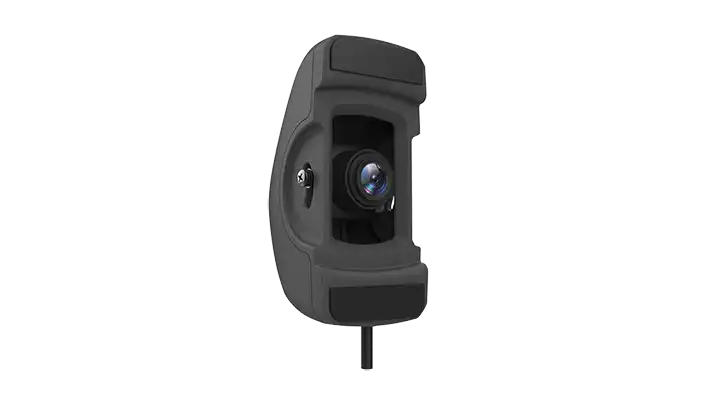
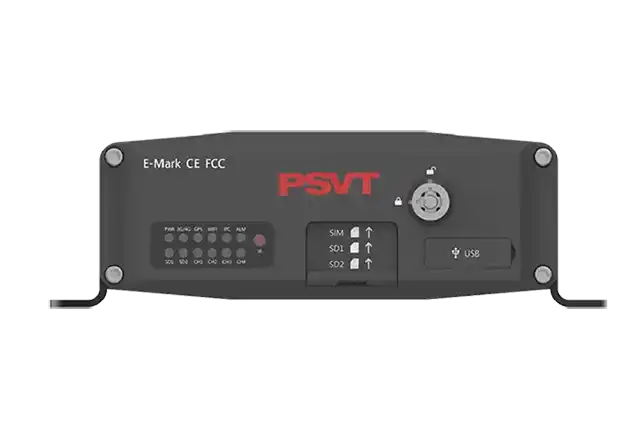
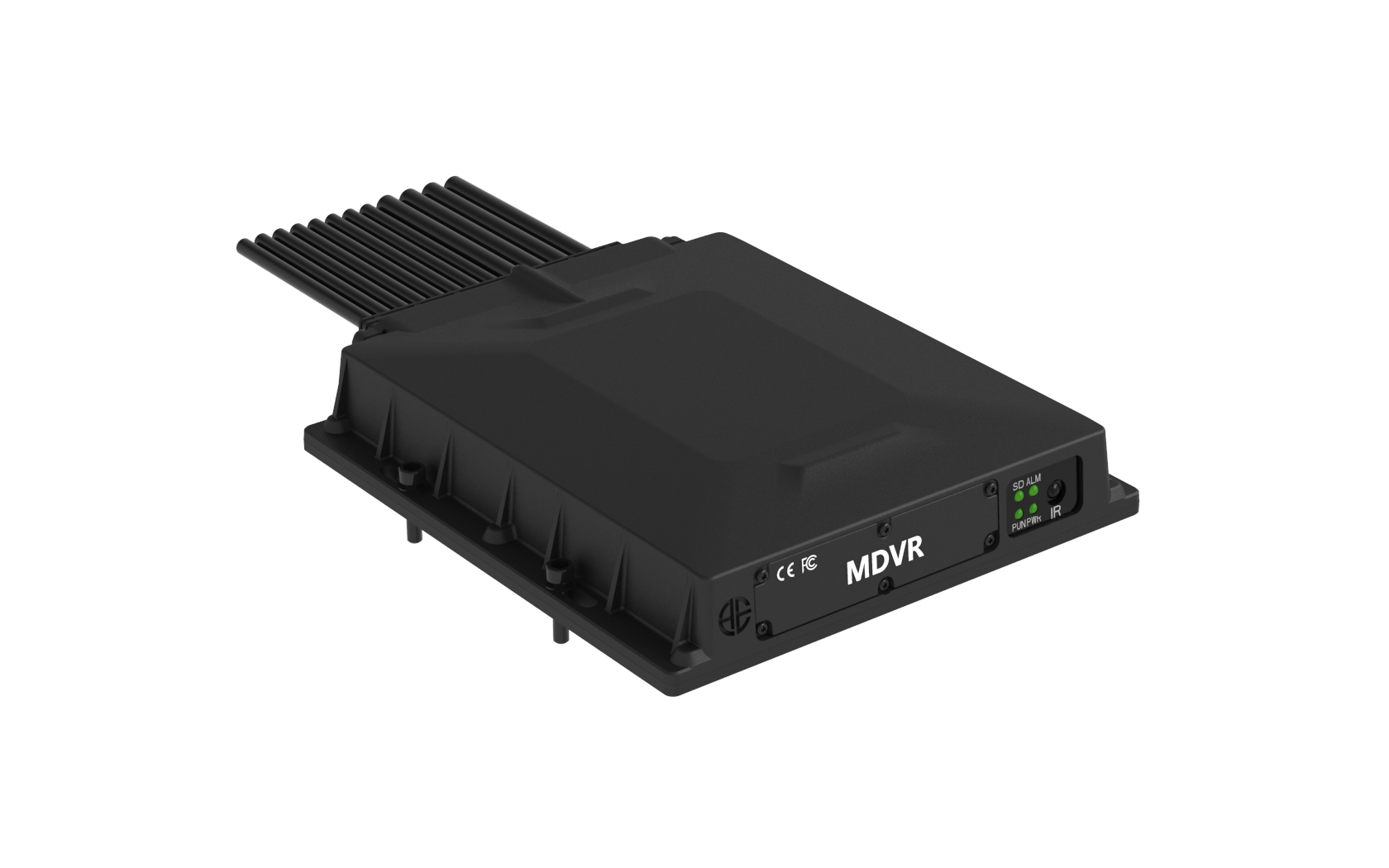
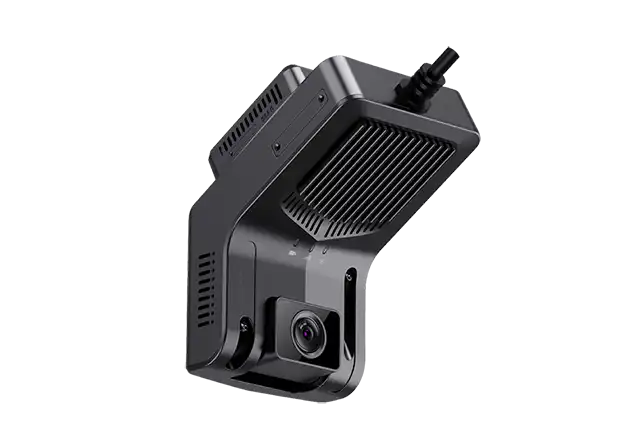
Edge computing shifts the intelligence to the "edge" of the network—the vehicle itself. In this model, the Fleet AI Dashcam Hardware is equipped with powerful onboard processors (NPUs or GPUs) capable of running complex neural networks in real-time. The device analyzes video feeds locally, detecting risks and providing immediate feedback to the driver without needing an active internet connection for the primary decision-making process.
For businesses where safety and immediate intervention are paramount, edge computing is often the preferred choice. The primary advantage of processing data on the Fleet AI Dashcam Hardware is the elimination of latency.
Advanced Driver Assistance Systems (ADAS) and Driver Monitoring Systems (DMS) rely on split-second detections. If a driver is distracted or a forward collision is imminent, a delay of even one second caused by cloud transmission could be the difference between a near-miss and a catastrophe. Edge-based systems process these frames locally, triggering audible alerts the moment a risk is identified.
Transmitting 24/7 high-definition video to the cloud is prohibitively expensive. Edge computing solves this by acting as an intelligent filter. The hardware only uploads "event-based" clips (e.g., hard braking, swerving, or AI-flagged violations) to the cloud for manager review. This significantly reduces cellular data consumption while ensuring that only actionable intelligence reaches the fleet office.
While edge computing excels at "the now," cloud-based systems excel at "the whole." The cloud offers virtually unlimited storage and processing power, making it the superior choice for long-term strategic analysis.
One of the hallmarks of Future Fleet AI Dashcam development is continuous improvement. Cloud-based architectures allow developers to aggregate anonymized data from thousands of vehicles to retrain AI models. These refined models can then be pushed back to the fleet via Over-the-Air (OTA) updates, ensuring the system gets smarter over time.
For legal compliance and insurance purposes, having a centralized, secure repository of video evidence is crucial. Cloud systems provide a seamless interface for fleet managers to retrieve footage from any vehicle in the fleet instantly, regardless of its physical location, provided there is network coverage.
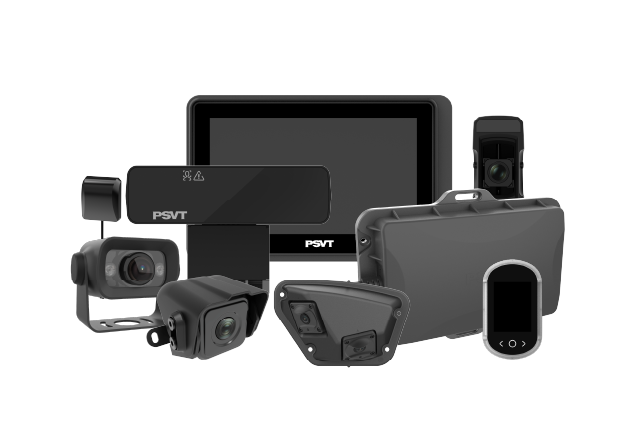
The choice between cloud and edge significantly dictates your requirements for Fleet AI Dashcam Hardware.
As we look toward the Future Fleet AI Dashcam landscape, the industry is moving toward a Hybrid Model. This approach combines the best of both worlds:
This "Fog Computing" approach ensures that the vehicle remains a proactive safety tool while the fleet manager receives a high-level, data-driven overview of operational efficiency.
The debate between cloud-based and edge-computing architectures for Fleet AI Dashcam Technology isn't about which is "better" in a vacuum, but which is more appropriate for your specific operational profile. Edge computing delivers the immediacy required for active safety, while the cloud provides the analytical depth needed for business intelligence.
As Fleet AI Dashcam Hardware continues to evolve, the integration of these two architectures will become even more seamless, providing businesses with unprecedented visibility and security on the road.
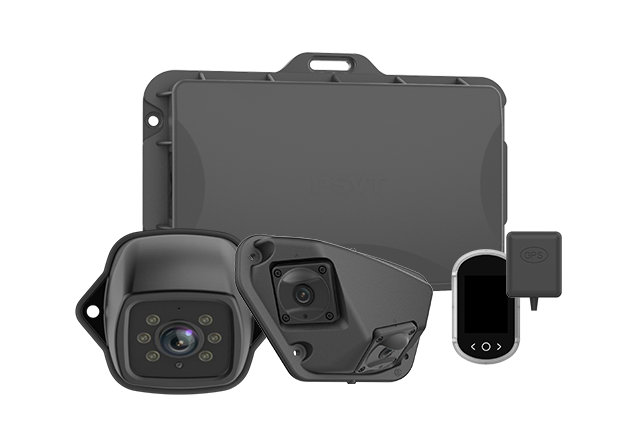
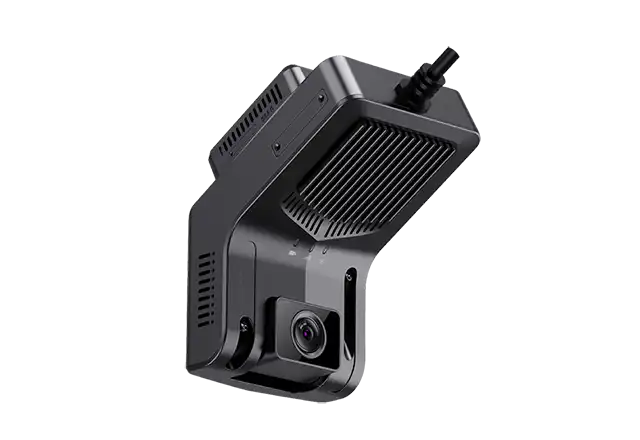
For businesses seeking a robust balance between edge intelligence and cloud connectivity, the AE-DVRD04 offers a professional-grade solution.
A: Yes. One of the greatest strengths of edge-computing architecture is that the AI algorithms (like fatigue detection or collision warnings) run locally on the hardware. While the video might not upload to the server until a signal is restored, the driver will still receive life-saving real-time alerts.
A: Cloud-based systems involve more frequent data transmission, which requires robust encryption and strict data-handling policies. Edge computing is often viewed as more "privacy-friendly" because it processes data locally and only transmits specific clips triggered by safety events, rather than a continuous stream.
A: Edge-computing hardware tends to be more "future-proof" because it possesses the raw processing power to handle increasingly complex AI updates. However, because these units do more intensive work on-board, it is vital to choose hardware designed with industrial-grade heat dissipation to ensure longevity.