UN Regulation R151/R159/R158
View More











In the global logistics and transportation sector, vehicles are subjected to some of the most unforgiving environments on Earth. From the blistering 45℃ heat of an Arizona summer to the -30℃ sub-zero temperature tundras of Northern Canada, the reliability of onboard technology is not just a matter of convenience—it is a matter of operational continuity and safety. As fleet AI Dashcam technology becomes more sophisticated, the hardware inside these devices faces a significant challenge: maintaining high-performance AI processing while enduring extreme thermal and mechanical stress.
For fleet managers, selecting a rugged fleet AI Dashcam is a strategic necessity. This article provides a deep technical analysis of fleet AI Dashcam durability, examining how high-performance hardware is engineered to withstand extreme weather and why industrial-grade components are essential for the modern fleet.
One of the most critical aspects of fleet AI Dashcam durability is thermal management. Unlike traditional dashcams that simply record and write data to a card, an AI-enabled device is essentially a high-speed computer.
AI dashcams utilize Neural Processing Units (NPUs) or powerful GPUs to run complex computer vision algorithms in real-time. These chips generate a substantial amount of internal heat during the execution of ADAS (Advanced Driver Assistance Systems) and DMS (Driver Monitoring Systems). When this internal heat is combined with high ambient temperatures and direct sunlight through a windshield, the device can easily reach temperatures exceeding 80℃ internally.
Lower-quality hardware often resorts to "thermal throttling"—slowing down the processor to reduce heat. In a fleet safety context, this is dangerous; a throttled AI might miss a critical forward collision warning or fail to detect a drowsy driver. A true rugged fleet AI Dashcam is designed with advanced heat dissipation structures, such as aluminum alloy casings and specialized thermal pads, to ensure consistent AI performance even in peak summer conditions.
While heat is the most common cause of failure, extreme cold presents a different set of technical hurdles. Operating a low temperature fleet AI Dashcam requires specialized component selection to ensure the device wakes up and functions the moment the ignition is turned.
In extreme cold, standard consumer electronics often fail to "cold-start." LCD screens can become sluggish or completely unresponsive, and mechanical components (if any) can seize. Furthermore, standard lithium-ion batteries are prone to failure or even swelling in sub-zero temperatures.
To achieve true fleet AI Dashcam durability in cold climates, manufacturers replace traditional batteries with supercapacitors. Supercapacitors are significantly more resilient to temperature fluctuations, providing the necessary power to save the final video file during a power loss without the risk of freezing or degrading at -20℃ or lower.
A truck's dashboard is a high-vibration environment. Constant road hum, engine idling, and the occasional impact of potholes create a mechanical "torture test" for internal electronics.
A rugged fleet AI Dashcam must be built to withstand constant G-force fluctuations. This involves:
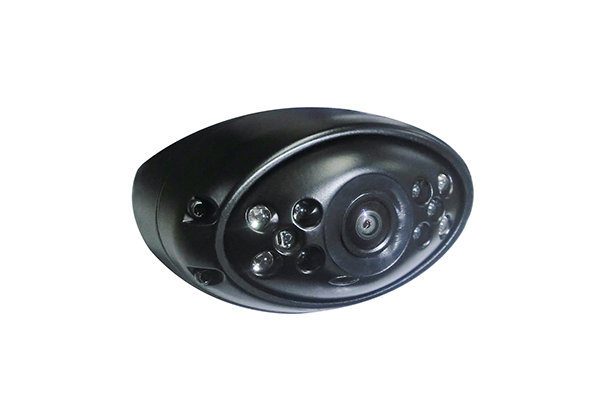
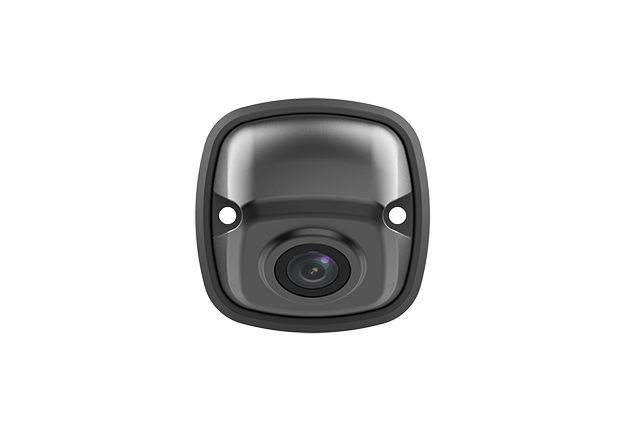
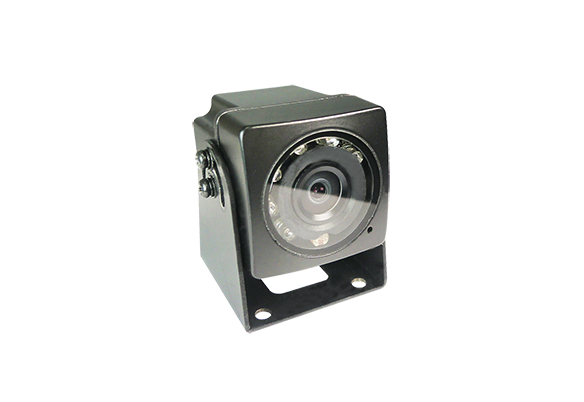
The durability requirement extends beyond the main unit in the cabin. In a multi-channel setup, external cameras (side-view and rear-view) are exposed to rain, snow, road salt, and high-pressure power washes.
For external components of a rugged fleet AI Dashcam system, an IP67 or IP69K rating is the industry standard.
Without high-level ingress protection, moisture can seep into the lens housing, leading to fogging or short-circuiting, effectively blinding the fleet's 360-degree safety net.
Durability isn't just about the hardware staying "on"; it's about the data staying "safe." Extreme temperatures are a leading cause of NAND flash memory failure (SD cards).
A durable fleet solution uses high-endurance, industrial-grade storage media designed for constant write cycles in wide temperature ranges. Furthermore, the file system must be "crash-resilient," ensuring that if the vehicle loses power during a catastrophic event in extreme weather, the critical footage is not corrupted.
A truly rugged fleet AI Dashcam also includes software-level durability—the ability of the AI to "see" through adverse weather.
Sophisticated ISP algorithms can compensate for low-light conditions, glare from snow, or heavy rain. While the physical lens must remain clear, the AI must be "durable" enough to distinguish between a pedestrian and a flurry of snow, maintaining high-precision detection despite environmental visual noise.
For any fleet operating in diverse climates, the "cheapest" option often becomes the most expensive due to frequent replacements, lost data, and failed safety alerts. fleet AI Dashcam durability is a foundational requirement that ensures your safety investment remains active when it is needed most.
By prioritizing a rugged fleet AI Dashcam capable of operating in a wide temperature envelope (typically from -20℃ up to 70℃), businesses can reduce vehicle downtime, protect their drivers in all seasons, and ensure that their data-driven intelligence remains uninterrupted by the elements.
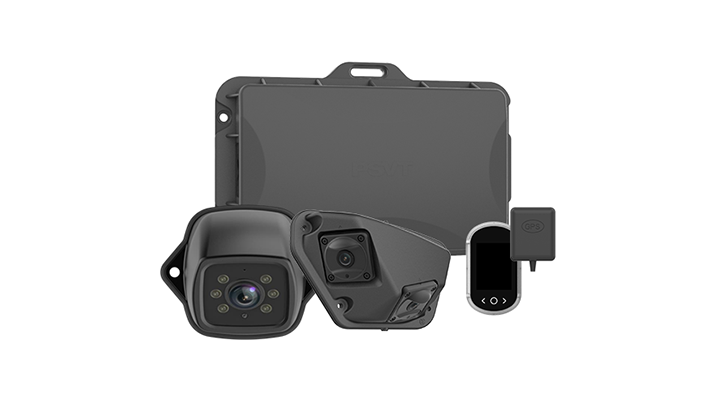
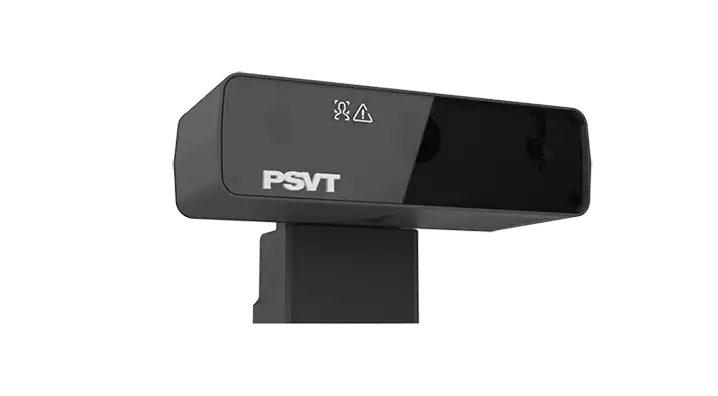
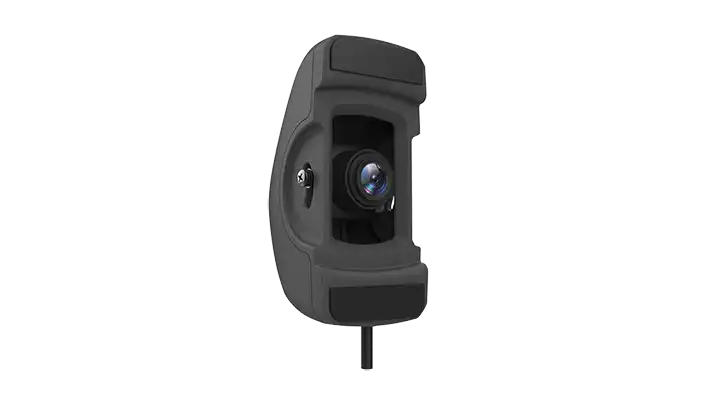
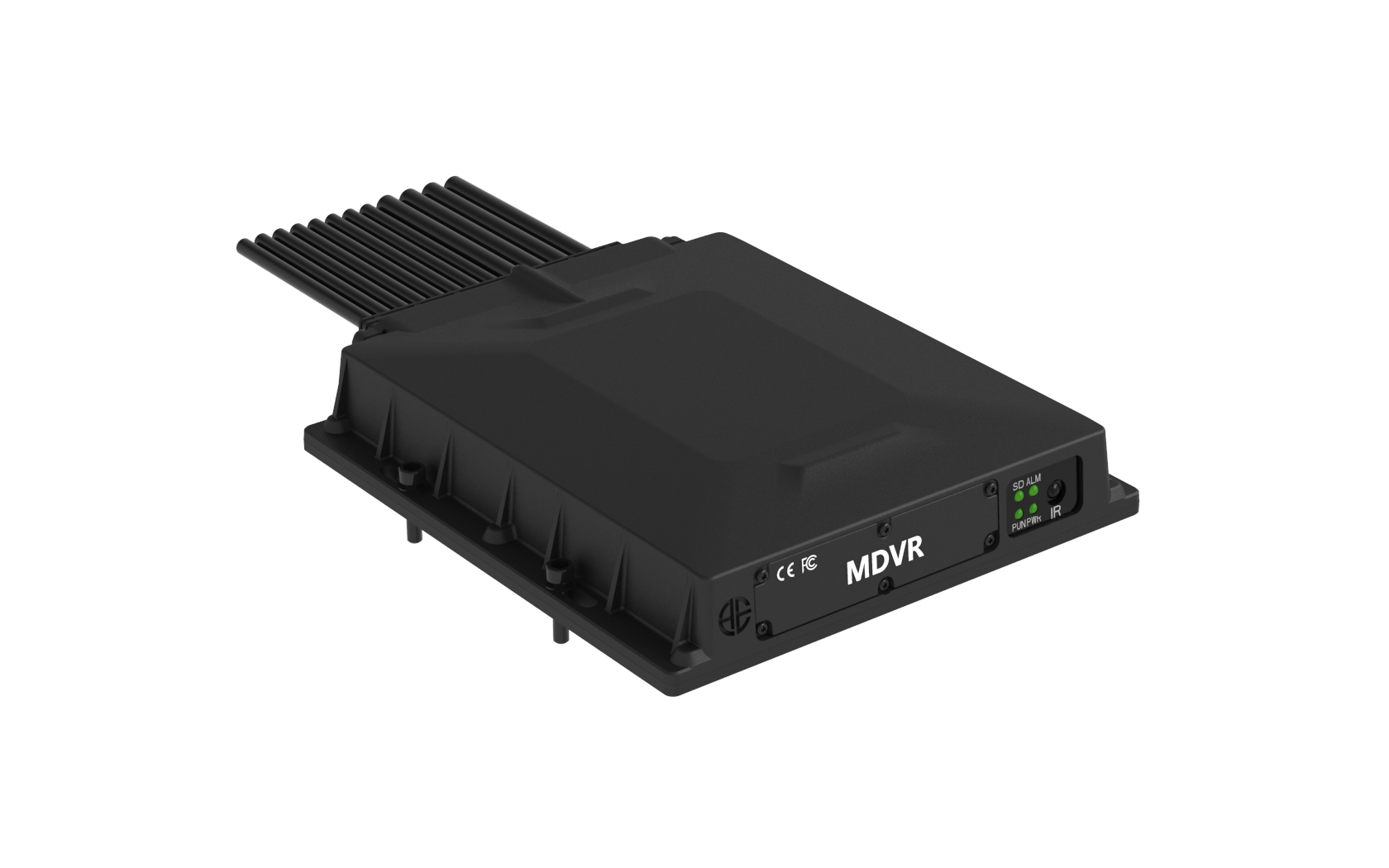
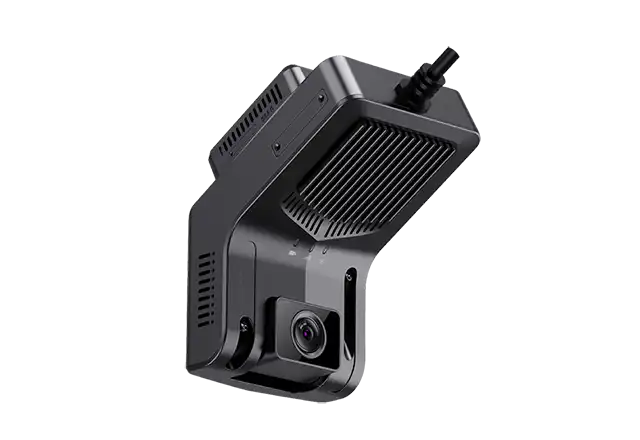
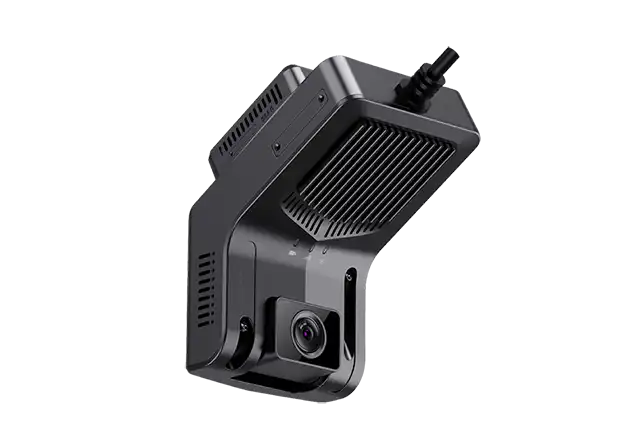
The AE-DVRD04 is engineered with a "Durability-First" philosophy, making it the ideal choice for fleets operating in the world's most challenging climates.
Engineered for Extreme Environments:
A: Generally, no. Consumer dashcams are designed for moderate cabin temperatures. A commercial-grade low temperature fleet AI Dashcam uses industrial-grade components and supercapacitors that can withstand the specific "cold-soak" and "heat-soak" cycles experienced by commercial vehicles parked outdoors overnight.
A: If a device is not designed for high-thermal loads, the processor may "throttle" to stay cool. This reduces the frame rate the AI can analyze. If the frame rate drops, the system may not detect a collision fast enough to warn the driver, or it may produce erratic, unreliable insights.
A: Look for an IP69K rating and a wide operating temperature range. The casing should be made of corrosion-resistant materials (like high-grade plastics or treated alloys) to withstand road salt and chemicals used during winter de-icing operations.