UN Regulation R151/R159/R158
View More







Every morning, millions of children across the country board school buses, trusting that the journey to school will be safe. For fleet managers, transportation directors, and school administrators, that trust carries enormous responsibility. Yet despite improvements in bus design and driver training, incidents involving school buses — from minor fender benders to serious accidents — continue to make headlines. The question is no longer whether technology should play a role in student transportation safety, but rather which technology delivers the most comprehensive protection. Today, the answer is increasingly clear: a purpose-built School Bus Fleet MDVR Safety Solution is the cornerstone of any modern, proactive transportation safety program.
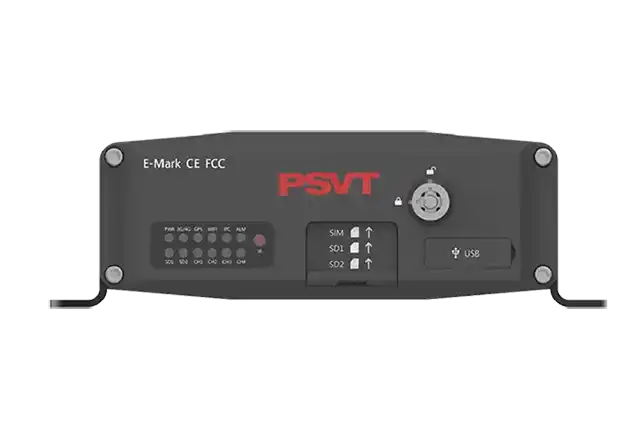
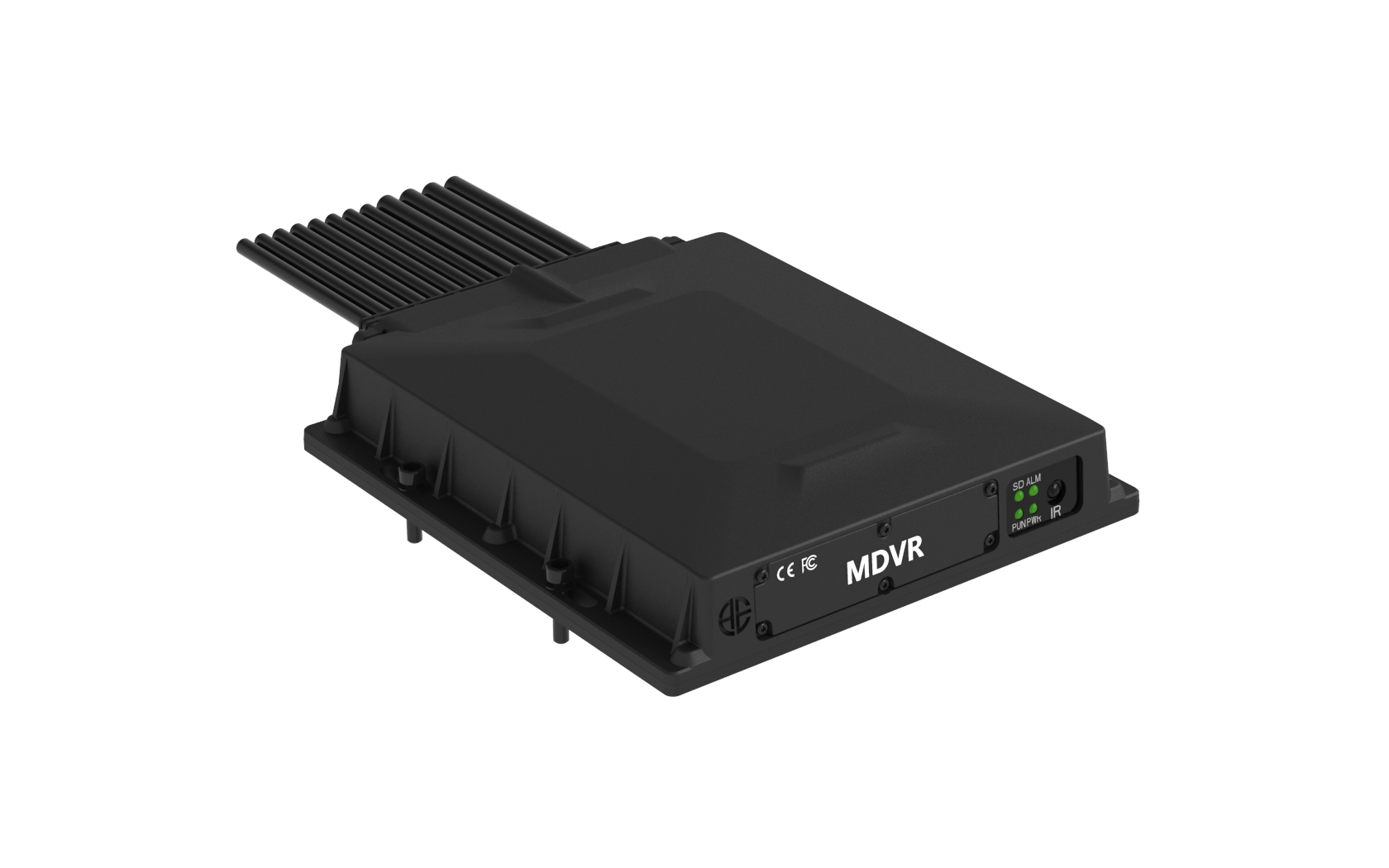
MDVR, or Mobile Digital Video Recorder, refers to a ruggedized, vehicle-mounted recording and monitoring system specifically engineered for the rigors of fleet operations. Unlike consumer-grade dashcams, an MDVR integrates multiple cameras, GPS tracking, real-time data transmission, driver behavior monitoring, and AI-powered event detection into a single, unified platform. When deployed across a school bus fleet, this technology creates an unbroken chain of accountability — from the moment a driver starts the engine to the moment the last student steps safely off the bus.
To fully appreciate why the School Bus Fleet MDVR Safety Solution has become an industry standard for forward-thinking transportation departments, it helps to understand what sets it apart from basic video recording.
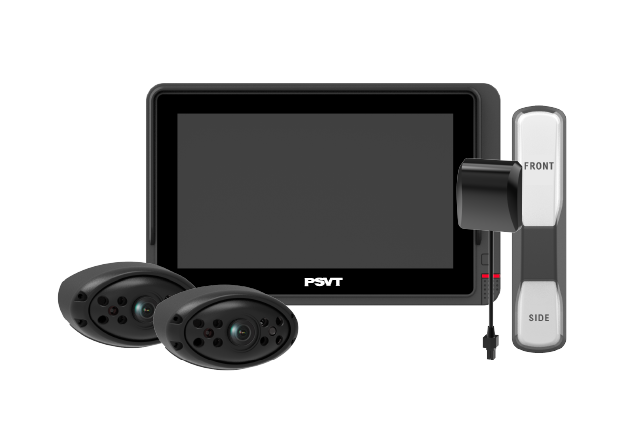
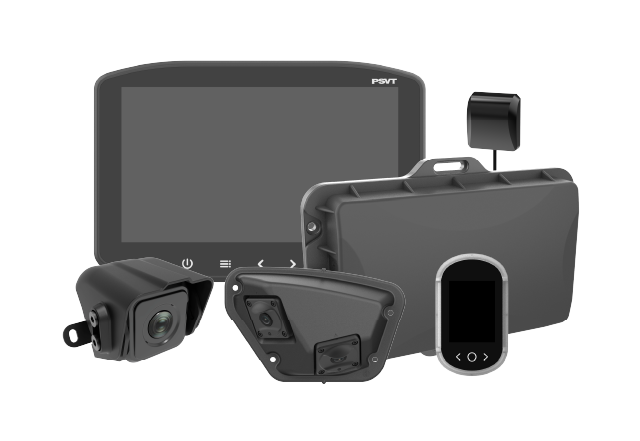
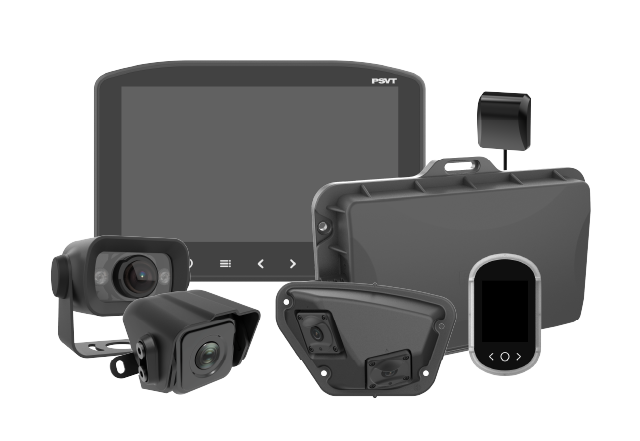
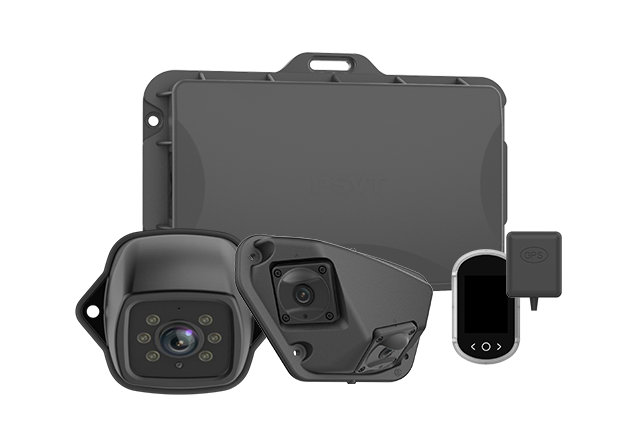
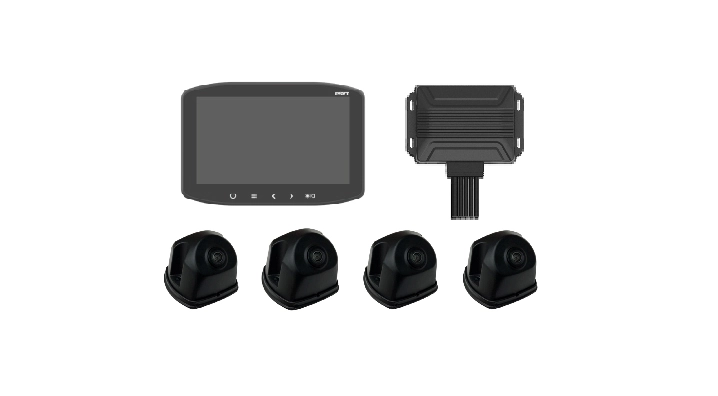
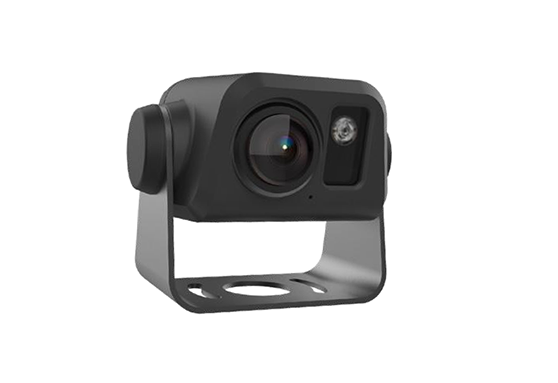
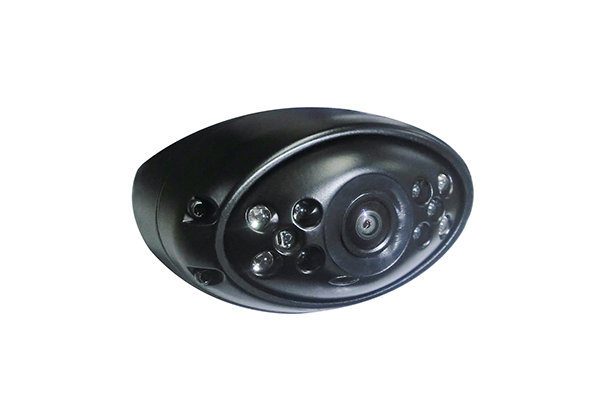
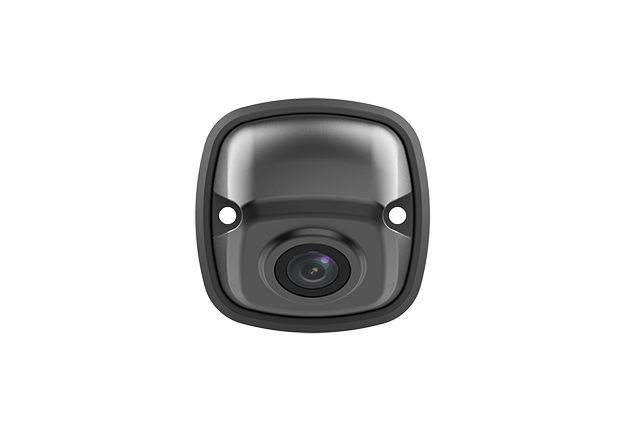
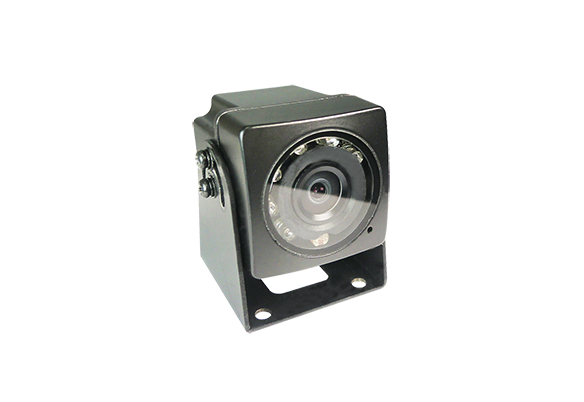
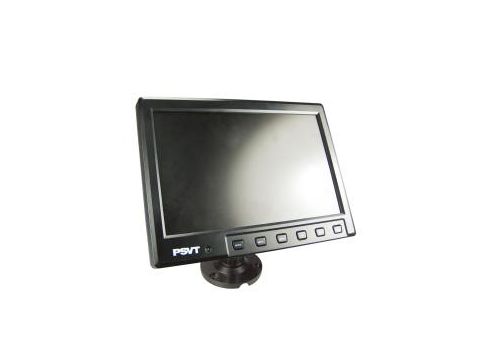
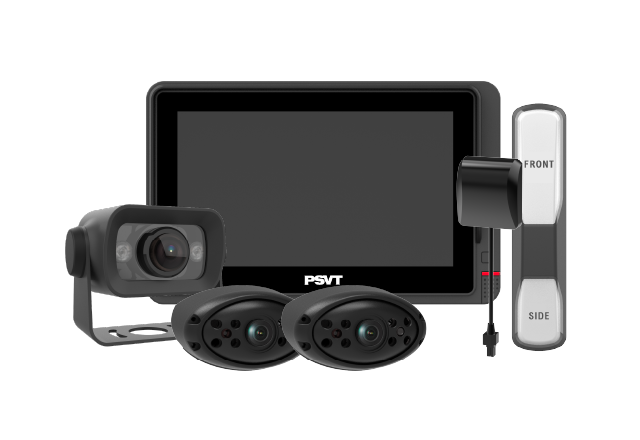
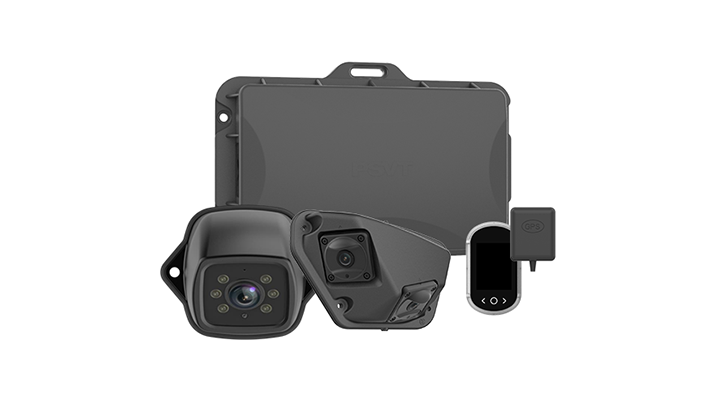
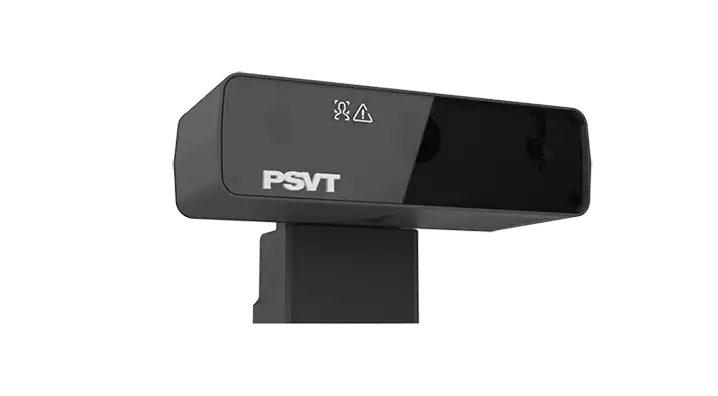
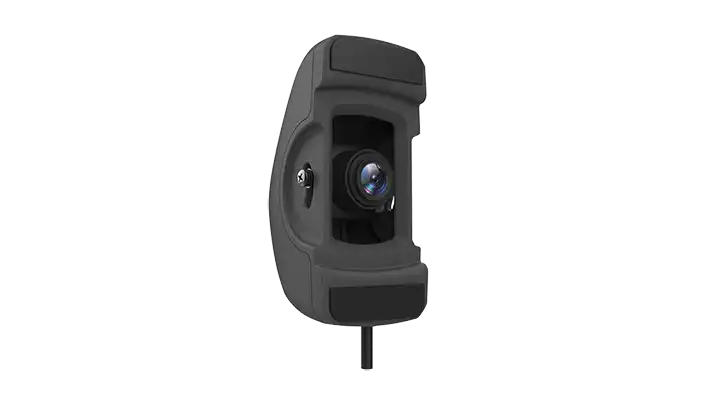
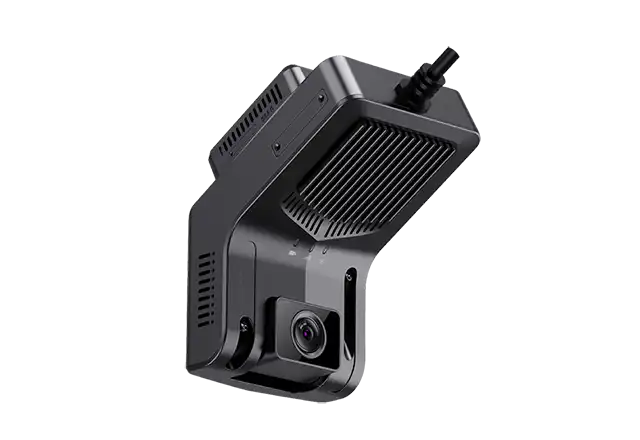
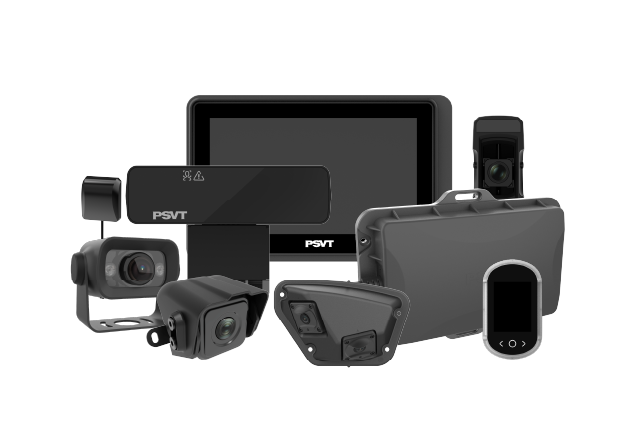
At its core, an MDVR system consists of a central recording unit typically mounted inside the bus, connected to multiple cameras covering every critical angle: the front road view, the driver's face, the interior passenger cabin (often requiring two or more cameras for full coverage), the rear of the vehicle, and increasingly, the exterior curbside where students board and alight. High-definition recording at 1080p or above ensures that footage is clear enough to be used as legal evidence in the event of an incident.
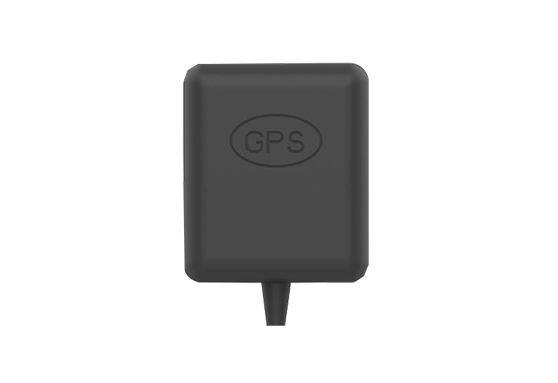
But recording is just the beginning. Modern MDVR systems are connected to cellular networks, enabling real-time video streaming back to fleet management centers. This means that a transportation supervisor doesn't have to wait for a bus to return to the depot to review footage — they can pull up a live feed or retrieve a specific event clip within seconds. Integrated GPS provides precise location tracking, route adherence monitoring, and geofencing capabilities, alerting operators immediately when a bus deviates from its assigned route or enters a restricted zone.
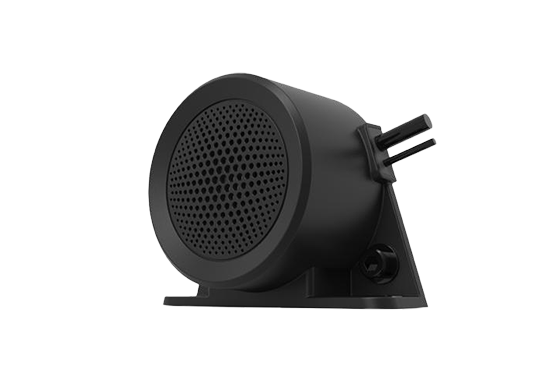
The most advanced iterations of the School Bus Fleet MDVR Safety Solution leverage artificial intelligence and machine learning to move beyond passive recording toward active, predictive safety intervention. AI modules can detect distracted driving, drowsiness, phone use, smoking, and seatbelt non-compliance in real time, triggering both in-cab audio-visual alerts for the driver and instant notifications to fleet managers — all before an incident occurs.
Understanding the urgency behind adopting a robust School Bus Fleet MDVR Safety Solution requires a clear-eyed look at the risks that school transportation professionals face daily.
Studies consistently show that human error accounts for the majority of vehicle accidents, and school buses are no exception. Distracted driving — whether from a mobile phone, fatigue, or in-cabin distractions from students — dramatically increases the likelihood of an accident. Harsh braking and aggressive acceleration not only put students at risk of injury inside the bus but also increase wear on the vehicle and fuel consumption. Without a monitoring system in place, these behaviors can go undetected and uncorrected for months, creating a culture of complacency that eventually leads to preventable incidents.
School buses have significant blind spots, particularly at the front and sides where young children may be crouching, running, or crossing the road. Fatalities involving students being struck by their own school bus remain a heartbreaking reality. Exterior cameras with wide-angle lenses, combined with stop-arm camera systems that capture vehicles illegally passing a stopped school bus, directly address these deadly blind spots in ways that mirrors and driver awareness alone cannot.
Fleet operators and school districts face significant legal and financial liability whenever a bus is involved in an incident. Without video evidence, disputes over fault can drag on for years, generating enormous legal costs and reputational damage. Conversely, clear, timestamped, GPS-correlated video footage from an MDVR system has proven time and again to exonerate drivers and districts from false or exaggerated claims, saving hundreds of thousands of dollars in settlements.
Transportation departments are subject to an expanding set of state and federal regulations governing driver qualification, vehicle maintenance, and incident reporting. An integrated School Bus Fleet MDVR Safety Solution streamlines compliance by automatically logging mileage, engine hours, speed events, and critical incident data in formats that are ready for regulatory submission.
Not all MDVR systems are created equal, and selecting the right platform for your school bus fleet requires careful evaluation of several critical capabilities.
A minimum of four to eight camera channels is recommended for comprehensive school bus coverage. Look for solutions that support interior cabin cameras, forward-facing road cameras with wide-angle lenses, driver-facing cameras, rear cameras, and optional door/step cameras to monitor student boarding and alighting. The image quality should be sufficient for facial recognition and license plate capture even in low-light or high-glare conditions.
The difference between a reactive and a preventive safety program lies in AI. Advanced School Bus Fleet MDVR Safety Solution platforms use deep learning algorithms trained on millions of driving events to accurately detect distracted driving, drowsiness, phone use, smoking, and improper lane changes. The system should issue immediate in-cab alerts to the driver — typically an audible warning and a dashboard indicator — while simultaneously logging the event and notifying fleet management. This two-tiered response loop corrects behavior in the moment while creating a data trail for coaching and performance reviews.
GPS integration allows fleet managers to monitor every bus in real time on a digital map interface, tracking speed, location, route adherence, and stop compliance. Geofencing features enable automated alerts when buses enter or exit designated zones — such as school campuses, maintenance depots, or restricted areas — providing both security and operational efficiency benefits.
Reliable cellular connectivity is non-negotiable for a modern School Bus Fleet MDVR Safety Solution. The system should support live video streaming, remote video retrieval, over-the-air firmware updates, and real-time event push notifications — all without requiring the bus to return to base. This capability is particularly valuable during emergencies, when supervisors need to assess an unfolding situation quickly.
School buses operate in extreme conditions — baking summer heat, freezing winter cold, vibration, dust, and moisture. The MDVR hardware must meet or exceed MIL-STD or IP67/IP68 standards for shock, vibration, and environmental resistance. A system that fails due to hardware degradation is worse than no system at all, as it creates a false sense of security.
Video evidence is only valuable if it is intact and accessible when needed. Look for MDVR systems that use encrypted, tamper-resistant storage — typically a combination of onboard SSD or SD card storage and automatic cloud backup. Redundant storage ensures that footage is preserved even if the local storage is damaged in an accident.
Illegal passing of stopped school buses is a pervasive problem that endangers children every single day. Integrated stop-arm cameras that activate automatically when the stop arm is deployed capture high-resolution images and video of violating vehicles, including license plates, making prosecution and fine collection far more effective. Some advanced platforms also include AI-based pedestrian detection in the immediate vicinity of the bus.
Deploying a School Bus Fleet MDVR Safety Solution does more than generate recordings — it fundamentally shifts the safety culture of a transportation department by making performance visible, measurable, and improvable.
When drivers know their behavior is being monitored and that data is used for structured coaching rather than punitive discipline, engagement with safety programs improves significantly. Fleet managers can use MDVR-generated driver scorecards — ranking individuals on metrics like harsh braking frequency, speeding events, distraction incidents, and fuel efficiency — to identify who needs targeted coaching and to recognize top performers. This data-driven approach to driver development has been shown to reduce incident rates by 30–50% within the first year of deployment in multiple fleet case studies.
When an incident does occur, the value of comprehensive MDVR footage cannot be overstated. Investigators can reconstruct the sequence of events with precision — reviewing the driver's actions, the road conditions, the behavior of other vehicles, and even the movement of students inside the cabin in the moments leading up to and following an event. This level of detail accelerates insurance claim resolution, supports law enforcement investigations, and provides irrefutable documentation for legal proceedings.
Many modern MDVR platforms integrate with vehicle telematics to monitor engine health, brake performance, and diagnostic codes. Fleet managers receive automated alerts when a vehicle requires maintenance, allowing issues to be addressed before they become safety hazards or costly breakdowns. Keeping the fleet in optimal mechanical condition is an often-overlooked dimension of a comprehensive School Bus Fleet MDVR Safety Solution.
Selecting the right system is only half the battle — successful implementation is what determines whether your investment delivers its full safety and operational dividend.
Begin with a thorough assessment of your fleet size, route complexity, geographic coverage, and specific risk factors. A district operating 20 buses in a suburban area has different needs than a metropolitan district managing 300 buses across diverse urban and rural routes. Choose a platform that scales with your fleet and integrates with your existing transportation management software.
Transparent communication with drivers about the purpose and use of the MDVR system is essential. Emphasize that the system is designed to protect drivers from false accusations, improve safety culture, and provide coaching support — not to create a surveillance environment. Involving driver representatives or union stewards in the implementation process builds trust and reduces resistance.
Invest in thorough training for dispatchers, supervisors, and fleet managers on how to use the MDVR platform effectively. The best system in the world delivers limited value if the people responsible for reviewing footage and acting on alerts don't know how to use it efficiently. Ensure that your vendor provides responsive ongoing technical support and regular software updates.
For transportation directors working within tight budgets, the return on investment question is critical. The good news is that the financial case for a School Bus Fleet MDVR Safety Solution is compelling across multiple dimensions.
Reduced accident frequency leads to lower insurance premiums — many carriers offer significant discounts of 10–20% or more for fleets with active MDVR monitoring. Video evidence that exonerates drivers in disputed claims eliminates settlement costs that routinely run into six figures. Fuel savings from reduced harsh driving behaviors typically offset a significant portion of the system's operating cost. And the intangible but real benefit of avoided tragedy — the human cost of a preventable accident involving a child — is beyond any financial calculation.
Fleets that have fully deployed modern School Bus Fleet MDVR Safety Solution platforms consistently report measurable improvements: lower accident rates, fewer driver behavior violations, faster incident resolution, and stronger relationships with school administrators, parents, and regulators who see a district that takes student safety seriously.
The children who ride school buses every day deserve the highest standard of protection that technology can provide. A comprehensive School Bus Fleet MDVR Safety Solution is no longer a luxury reserved for large, well-funded districts — it is an accessible, proven, and increasingly essential investment for any fleet operator who takes their duty of care seriously.
From AI-powered driver monitoring and real-time GPS tracking to tamper-proof video storage and stop-arm enforcement, today's MDVR platforms deliver a level of visibility, accountability, and proactive safety intervention that was unimaginable just a decade ago. The question for every transportation director is not whether to adopt a School Bus Fleet MDVR Safety Solution — it is how quickly they can get one deployed across their entire fleet.
The road to safer student transportation starts with the right technology partner and the commitment to use data not just to record the past, but to protect the future.