UN Regulation R151/R159/R158
View More







A 360 vehicle camera system gives commercial drivers a unified view around the vehicle, helping them understand what is happening in areas that mirrors and direct vision cannot fully cover. For trucks, buses, vans, construction vehicles, refuse vehicles, and other large mobile assets, this capability is much more than a parking aid. It can become a fleet-wide safety and operational tool that supports low-speed maneuvering, vulnerable road user protection, incident investigation, driver coaching, and risk management. The real business value, however, depends on choosing a solution designed for commercial duty rather than simply adding more cameras to a vehicle.
Every vehicle has blind spots, but the problem becomes more serious as vehicle size, body complexity, and operating environment increase. A rigid truck may have limited direct visibility beside the cab. An articulated vehicle adds turning and trailer-swing risks. A bus operates close to pedestrians, cyclists, passengers, curbs, and street furniture throughout the day. Refuse and construction vehicles often work in confined spaces where people and equipment can approach from multiple directions.
Mirrors remain essential, but they require drivers to scan several separate views and mentally combine them while also steering, monitoring traffic, and controlling a large vehicle. Conventional reversing cameras solve only one part of the problem. Separate front, side, and rear displays may add information, yet they can also increase visual workload if the images are not presented coherently. A surround-view solution addresses this gap by transforming multiple camera feeds into a single, intuitive representation of the vehicle and its surroundings.
This unified perspective is especially valuable during reversing, docking, lane-side operations, tight turns, depot maneuvering, and urban driving. Instead of asking the driver to infer where an object is located from several disconnected images, the system provides spatial context. That difference can turn camera footage from passive information into practical decision support.
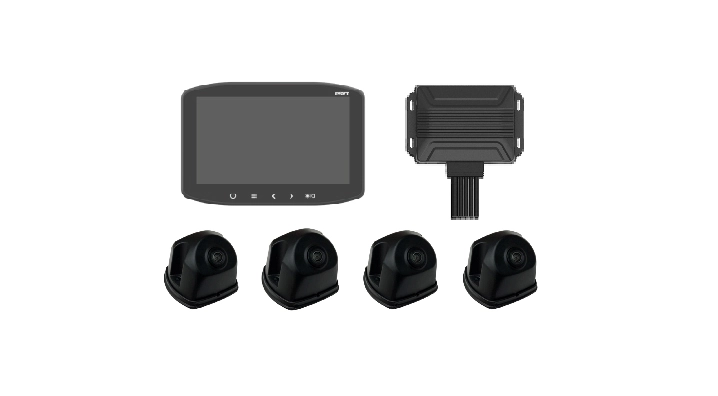
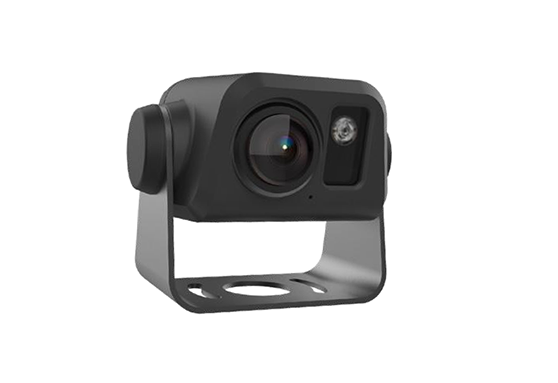
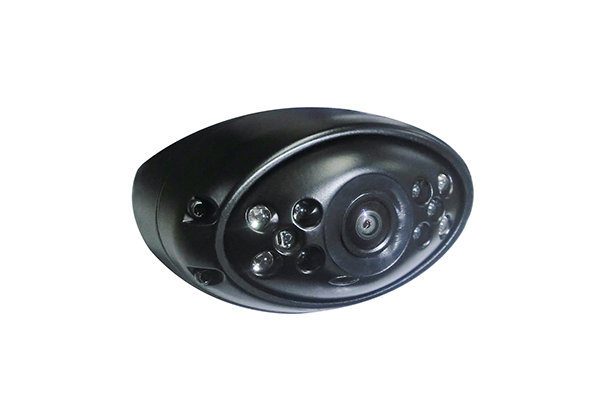
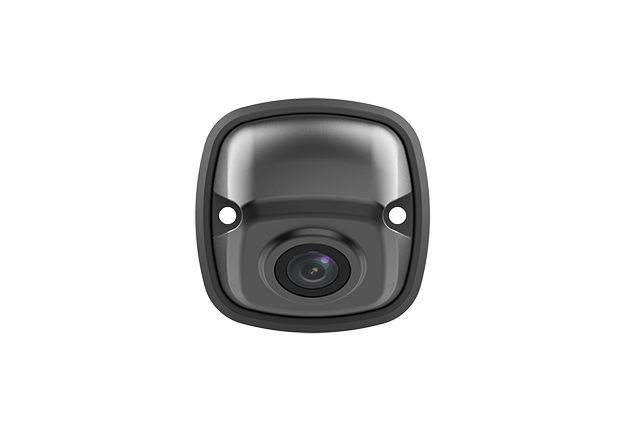
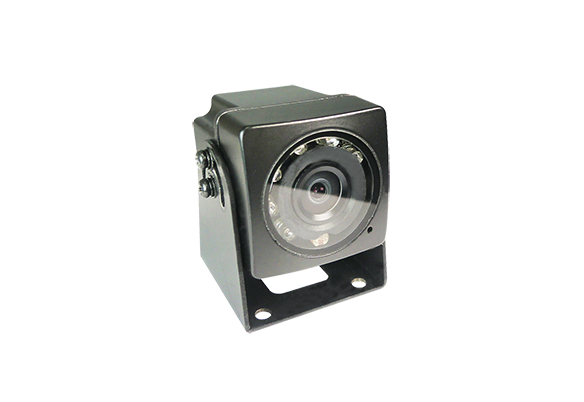
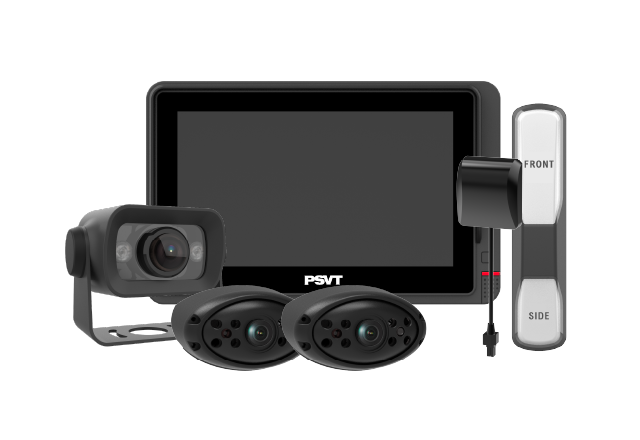
A typical system uses four or more wide-angle cameras installed around the vehicle. Depending on vehicle length and body configuration, additional cameras may be required to provide continuous coverage. The video processor corrects lens distortion, calibrates the camera positions, aligns overlapping images, and stitches them into a bird’s-eye view. The driver can see the complete surround view or select an individual camera when more detail is needed.
The quality of the output depends on more than camera resolution. Accurate calibration is critical because an apparently seamless image can still be misleading if objects, guide lines, or distances are rendered incorrectly. Camera placement must account for the cab, body, mirrors, doors, lifting equipment, trailer articulation, and other vehicle-specific structures. Image latency must also remain low enough that the displayed scene reflects the driver’s real-time environment.
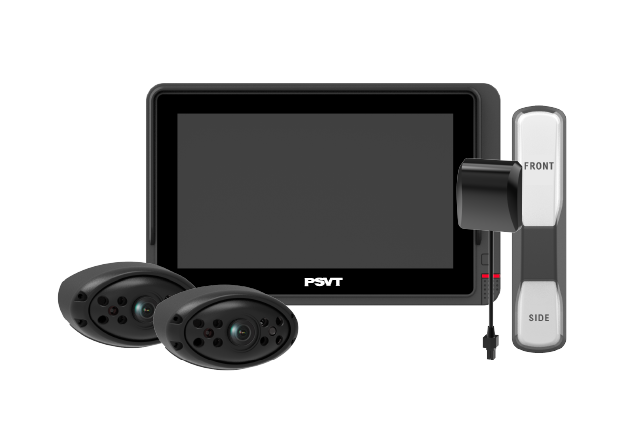
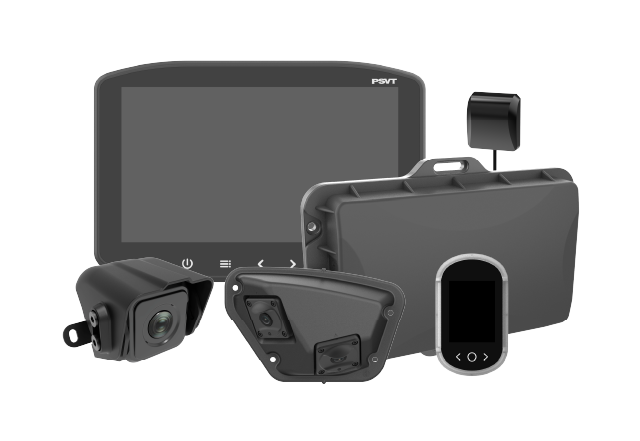
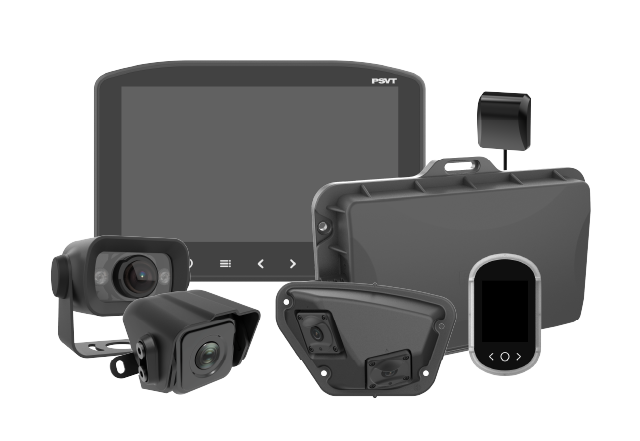
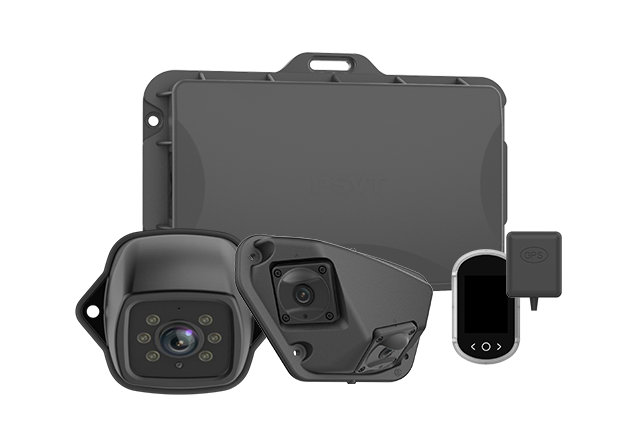
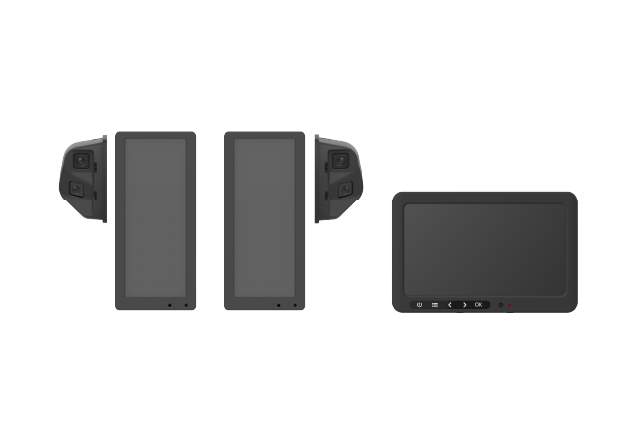
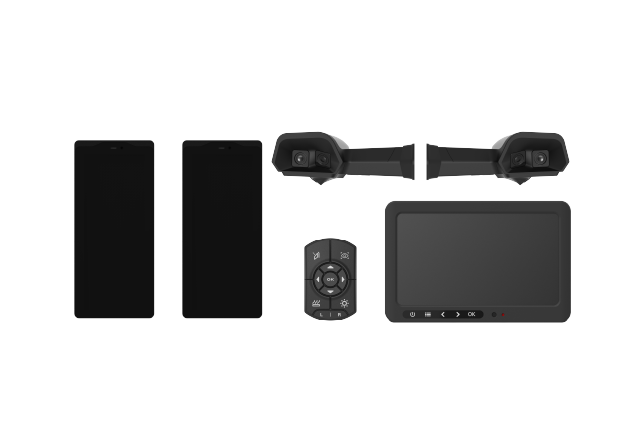
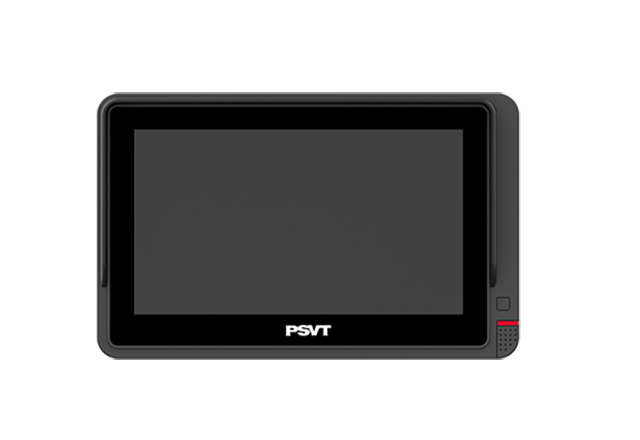
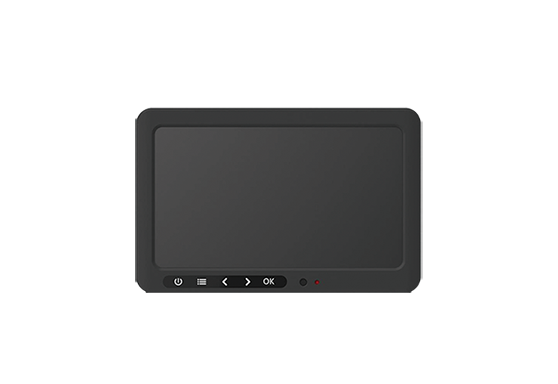
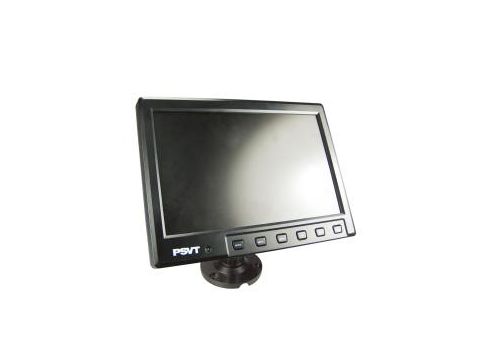
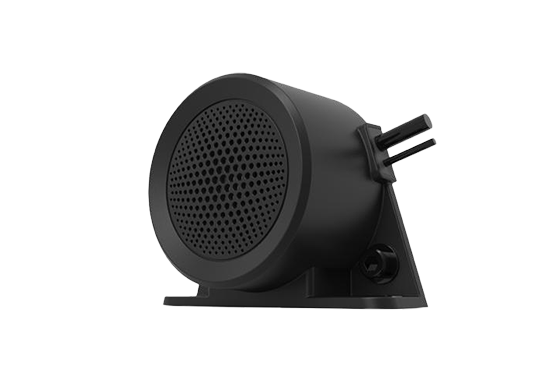
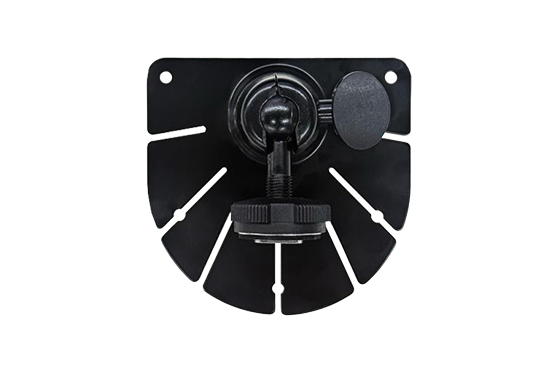
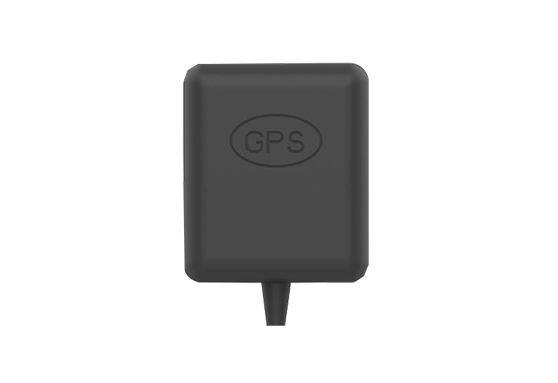
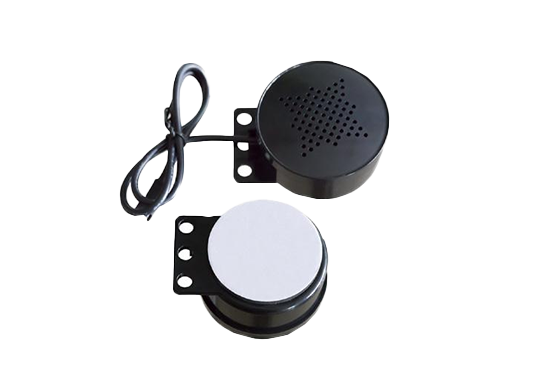
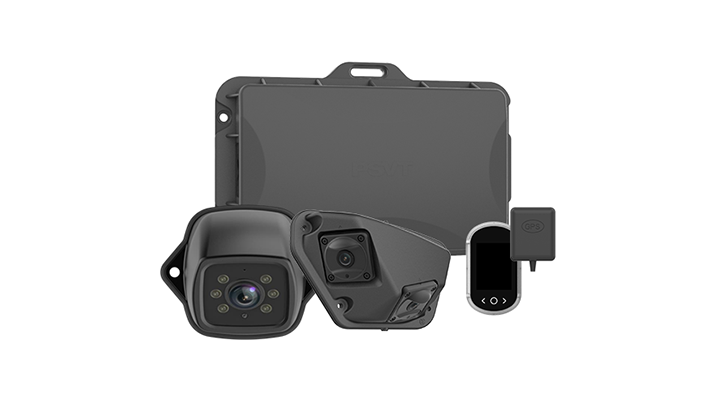
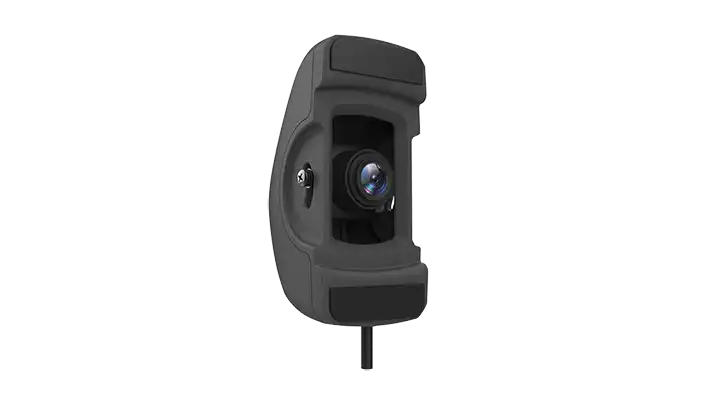
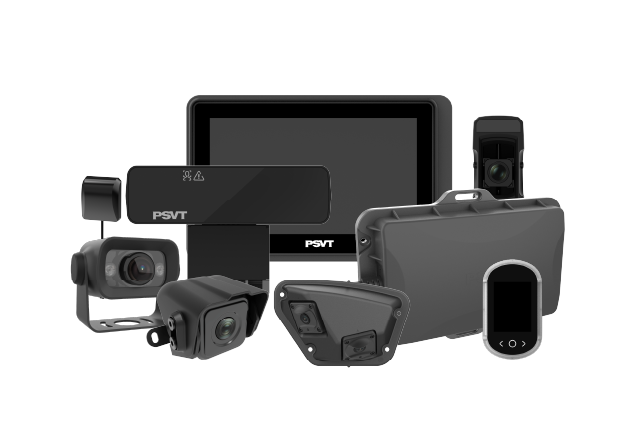
A commercial-grade 360 vehicle camera system should therefore be treated as an integrated hardware and software platform. Its core components may include rugged cameras, an electronic control unit, a driver monitor, vehicle-specific mounting hardware, wiring harnesses, calibration tools, and optional recording or connectivity modules. Each component affects reliability, serviceability, and the consistency of the final view.
The most immediate benefit is improved awareness around the vehicle. Drivers can identify pedestrians, cyclists, motorcyclists, obstacles, curbs, loading equipment, and nearby vehicles before beginning or continuing a maneuver. This is particularly useful when the vehicle is moving at low speed, when close-range hazards can be difficult to see and small steering inputs can change the risk quickly.
Surround visibility can also reduce preventable property damage. Minor collisions with walls, gates, bollards, parked vehicles, and loading bays may not produce major injuries, but repeated incidents create repair expenses, downtime, administrative work, customer disruption, and higher insurance exposure. For fleets operating hundreds or thousands of vehicles, even a modest reduction in incident frequency can create meaningful operational savings.
Another benefit is greater driver confidence. A well-designed system does not replace professional judgment, mirrors, or direct observation. Instead, it gives the driver additional verified information at the point of decision. This matters for experienced drivers operating unfamiliar vehicles as well as new drivers learning vehicle dimensions and turning behavior.
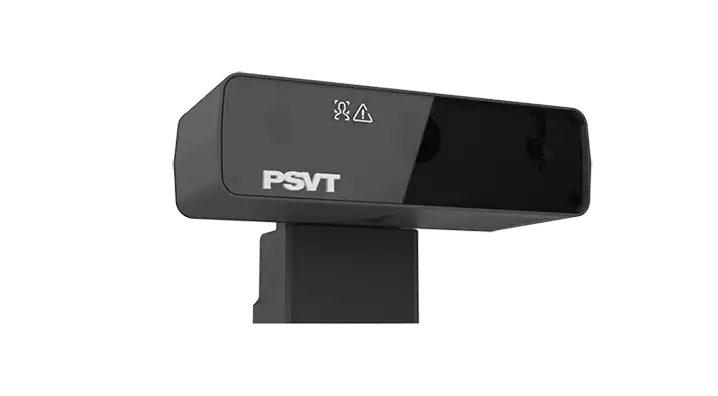
The system can also support vulnerable road user protection. When combined with AI analytics, it may distinguish people, bicycles, motorcycles, and other relevant objects from background scenery. The system can then prioritize alerts according to location, movement, vehicle status, or collision risk. This is more useful than issuing the same warning for every detected object, because excessive alarms can cause distraction or alert fatigue.
Fleet buyers sometimes compare surround-view systems with multi-channel DVR packages as if they serve the same purpose. They overlap, but their primary functions are different. A basic recording system captures evidence for later review. A surround-view system helps the driver interpret the environment in real time. The strongest commercial solutions can provide both capabilities without compromising either.
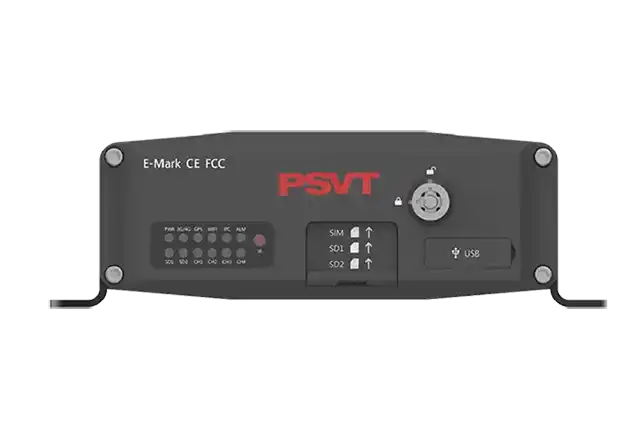
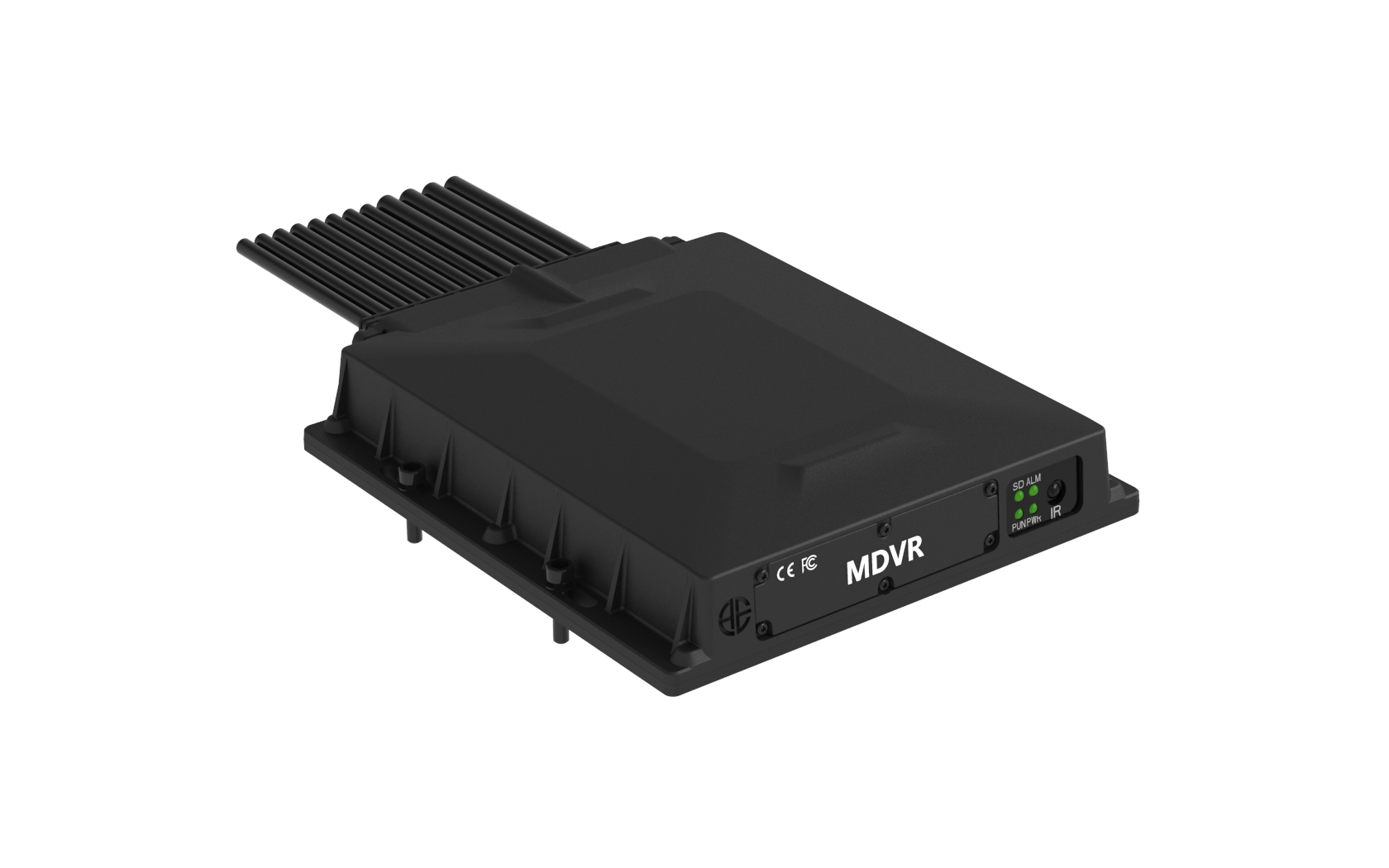
When an MDVR is integrated, the 360 vehicle camera system can record synchronized video from multiple channels, attach timestamps and vehicle data, and preserve footage surrounding an event. With suitable connectivity, selected clips or alerts may be uploaded to a fleet platform. This gives safety managers a clearer record of what happened before, during, and after an incident.
Recorded video can help resolve conflicting accounts, investigate damage, respond to customer complaints, and identify recurring risk patterns. It can also improve driver coaching. Rather than relying on general instructions, managers can review specific maneuvers and explain how mirror use, speed, positioning, or hazard scanning could be improved. Video should be governed by clear policies covering access, retention, privacy, security, and permitted use.
Video alone still requires a person to notice and interpret every risk. AI-enabled systems can analyze the camera feeds and draw attention to hazards that meet defined conditions. Depending on the application, the software may detect vulnerable road users, recognize vehicle proximity, monitor selected danger zones, or assess movement trajectories.
The most effective warning strategy is contextual. A pedestrian standing safely on a pavement does not necessarily require the same response as a cyclist moving into the vehicle’s turning path. Likewise, a stationary object may be relevant during reversing but not during normal forward travel. By combining image analysis with signals such as speed, direction, turn indication, or gear status, the system can make alerts more relevant to the maneuver.
Buyers should examine AI claims carefully. Detection accuracy measured in a controlled demonstration does not automatically predict performance across rain, darkness, glare, dirty lenses, unusual clothing, partial occlusion, or crowded urban scenes. Suppliers should be able to explain their test scenarios, detection classes, operating limits, false-warning controls, and update process. For critical fleet applications, transparent performance evidence is more valuable than a single headline percentage.
Selecting a 360 vehicle camera system requires a structured assessment of both technical performance and long-term fleet suitability. Start with the operating design domain: vehicle types, routes, duty cycles, lighting conditions, weather exposure, maneuvering risks, and the people most likely to be near the vehicle. A city bus, long-haul tractor, terminal tug, and waste collection truck do not require identical configurations.
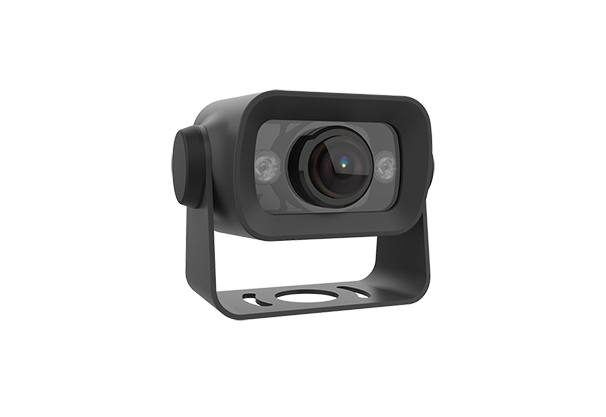
Camera durability should be assessed against vibration, water, dust, temperature, corrosion, pressure washing, and repeated thermal cycling. Connectors and cable routing deserve equal attention because a high-quality camera cannot perform reliably through a damaged harness or poorly sealed connection. Nighttime image quality, dynamic range, glare control, and lens contamination detection can matter more than resolution alone.
Buyers should also evaluate latency, image consistency, boot time, and failure behavior. What does the driver see if one camera is disconnected or obstructed? Does the system provide a clear fault notification? Can individual components be replaced without recalibrating the entire installation? Are diagnostic tools available to maintenance teams? These practical questions determine whether the system remains dependable after years in service.
Vehicle integration is another major consideration. The solution may need to interact with turn signals, reverse gear, speed information, ignition state, CAN data, an in-cab display, telematics hardware, or a fleet management platform. Interfaces should be documented and designed to avoid unintended effects on existing vehicle electronics. For OEM programs, upfitters and suppliers should align early on mounting locations, harness architecture, EMC requirements, diagnostics, cybersecurity, production calibration, and end-of-line testing.
Even advanced hardware can underperform if installation is inconsistent. Each camera must be rigidly mounted with a clear field of view. Brackets should resist vibration and accidental movement, while avoiding positions that are easily blocked by bodywork, cargo, doors, spray, or accessories. Cable paths should be protected from heat, sharp edges, moving parts, and water ingress.
Calibration aligns the physical camera positions with the software model of the vehicle. If the process is rushed or the dimensions are entered incorrectly, stitched views may distort object positions and create false confidence. Fleet deployment therefore needs a repeatable calibration procedure, trained installers, controlled documentation, and acceptance checks.
For mixed fleets, configuration management is essential. Each body type, wheelbase, camera position, and display layout may need its own approved profile. A scalable supplier should be able to manage those variants without turning every installation into a one-off engineering project. Remote configuration and software update capabilities can further reduce service effort, provided they include appropriate access control, validation, and rollback mechanisms.
The purchase price is only one part of the investment. Fleet operators should compare total cost of ownership, including installation, calibration, training, data plans, platform fees, maintenance, replacement parts, software support, and expected vehicle life. They should then evaluate the costs the system is intended to influence: collision repairs, third-party claims, vehicle downtime, investigation time, driver turnover, insurance exposure, and lost customer service capacity.
A business case for a 360 vehicle camera system should use the fleet’s own baseline data whenever possible. Segment incidents by maneuver, vehicle type, severity, location, and preventability. Identify which events better visibility or timely warnings could realistically affect. A trial deployment can then compare relevant leading and lagging indicators, including harsh maneuver trends, near-miss reports, low-speed collisions, claim duration, and driver feedback.
It is important not to promise that cameras will eliminate every accident. Technology works best as part of a broader safety program that includes driver training, route and site risk assessment, maintenance, supervision, and clear operating procedures. The strongest ROI comes when the system’s footage and data are actively used to improve behavior and processes rather than simply stored after installation.
Connected cameras create valuable operational data, which also creates responsibilities. Buyers should establish who owns the footage, where it is stored, how long it is retained, who can access it, and how access is audited. Encryption, authentication, role-based permissions, secure update methods, and vulnerability management should be included in supplier discussions from the beginning.
Privacy policies should reflect the jurisdictions and environments in which the fleet operates. Drivers and other affected personnel should understand why recording is used, what information is collected, and how it supports legitimate safety and operational purposes. Camera placement should focus on the defined risk objective, and retention periods should be proportionate rather than indefinite by default.
Cybersecurity also extends to vehicle integration. Connected devices must not become an unmanaged path into other onboard systems. Suppliers should be prepared to describe system architecture, data flows, interfaces, security controls, update governance, and incident-response responsibilities. OEMs may additionally require evidence aligned with their internal development, validation, and supply-chain processes.
Before selecting a solution, procurement and safety teams should ask:
The answers should be supported by documentation, demonstrations, test evidence, and references relevant to the fleet’s application. A visually impressive demo is useful, but it should not replace technical diligence.
Successful adoption usually begins with a clearly defined risk problem rather than a technology purchase. Fleets should identify priority vehicles and maneuvers, document baseline incidents, and agree on measurable objectives. The next step is a controlled pilot across representative routes, drivers, shifts, and environmental conditions.
During the pilot, collect input from drivers, safety managers, maintenance teams, IT, operations, and installers. Check whether the display is intuitive, warnings are relevant, footage is easy to retrieve, and maintenance procedures are practical. Technical issues should be corrected before scale-up, and driver feedback should be treated as design evidence rather than resistance to change.
Once performance is validated, deployment can proceed by vehicle group with standardized installation and calibration records. Training should explain what the system can and cannot do, how drivers should use the views, and how faults must be reported. Managers should review agreed safety metrics at regular intervals and adjust coaching, alert logic, or operational procedures as evidence develops.
The long-term opportunity extends beyond seeing around one vehicle. When a 360 vehicle camera system is connected to recording, AI, and fleet management tools, it can help reveal where risk repeatedly occurs. Fleets may identify a depot exit that produces frequent near misses, a route with recurring cyclist interactions, a vehicle body configuration associated with reversing damage, or a training topic shared across multiple drivers.
This transforms camera technology from an isolated accessory into a source of operational intelligence. Safety teams can prioritize site changes, route reviews, targeted training, and vehicle specification improvements using real evidence. OEMs and body builders can also use aggregated findings to refine camera placement, human-machine interfaces, and future vehicle designs.
A 360 vehicle camera system can improve close-range visibility, help protect vulnerable road users, support incident investigation, and give fleet managers better information for reducing risk. Its value depends on commercial-grade hardware, accurate calibration, intelligent warnings, secure data management, professional installation, and integration with the fleet’s wider safety program.
For buyers, the right question is not simply, “How many cameras are included?” The better question is, “How reliably will this solution help our drivers, vehicles, and safety teams make better decisions throughout the system’s lifecycle?” A supplier that can answer that question with proven engineering, transparent evidence, integration capability, and dependable support is far more likely to deliver sustainable business value.
For OEMs, fleet operators, upfitters, and channel partners, now is the time to evaluate where blind spots create measurable operational risk and how a scalable surround-view platform can address it. Start with a representative vehicle, define success before the pilot, and build the deployment around evidence. That is how better visibility becomes safer operations—and how fleet safety technology becomes a business asset rather than another piece of hardware.