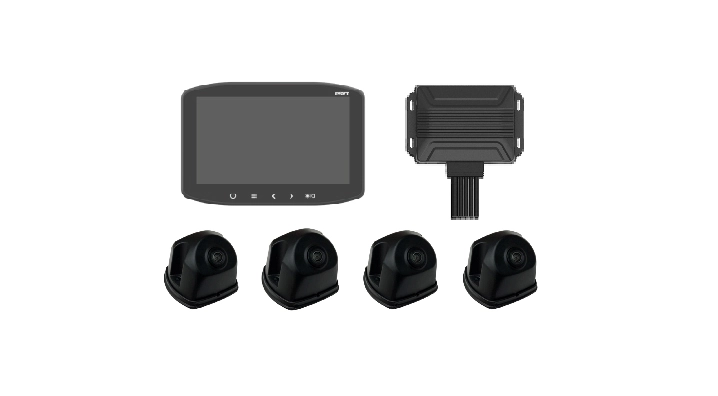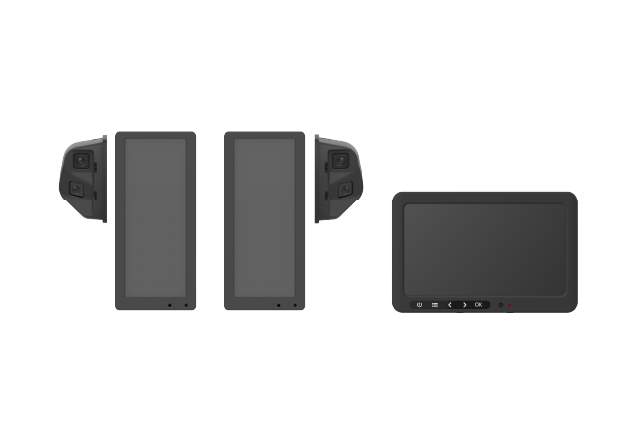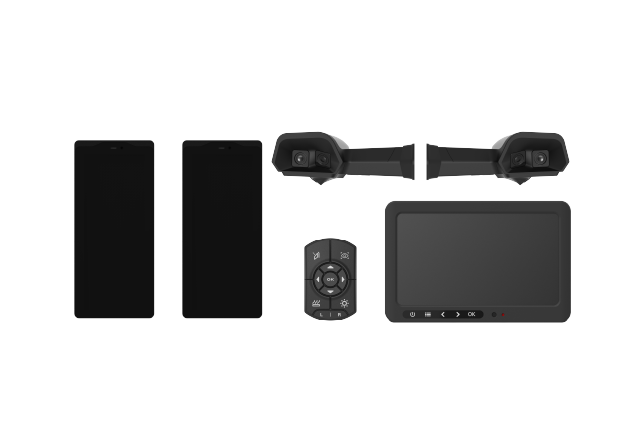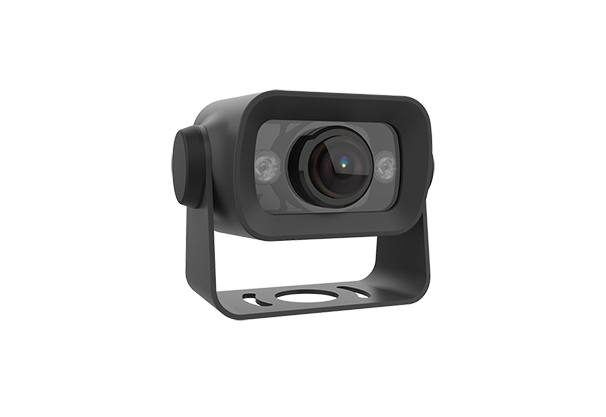
UN Regulation R151/R159/R158
View More











Commercial fleets face a difficult challenge: improving road safety without compromising productivity, driver morale or operating efficiency. Vehicle technology can help, but many serious incidents still involve human factors such as fatigue, distraction, mobile phone use, speeding, harsh braking or failure to wear a seat belt. A driver behavior monitoring solution enables fleet operators to identify these risks earlier, alert drivers in real time and turn vehicle data into practical safety improvements. Instead of reviewing what happened only after an accident, fleets can take preventive action before risky behavior leads to injuries, vehicle damage, cargo loss or service disruption.
For fleet managers, the objective is not simply to collect more data. The real goal is to understand which behaviors increase risk, which drivers need support and which operational conditions contribute to unsafe decisions. When implemented correctly, driver monitoring becomes part of a broader fleet safety strategy that combines intelligent in-cab detection, vehicle telematics, video evidence, driver coaching and centralized management.
Commercial drivers operate under conditions that are significantly more demanding than ordinary passenger-car driving. They may spend long hours on the road, work irregular shifts, navigate unfamiliar routes, meet tight delivery schedules and operate large vehicles in dense urban environments. Bus and coach drivers must also protect passengers, while logistics drivers may frequently enter loading areas, construction sites or busy distribution centers.
These pressures can gradually affect driver performance. A momentary loss of attention may be enough to miss a pedestrian, cyclist, stopped vehicle or changing traffic signal. Fatigue can slow reaction time and impair judgment. Repeated harsh acceleration or braking may indicate aggressive driving, insufficient following distance, poor route planning or unrealistic scheduling.
Traditional fleet safety management often relies on accident reports, customer complaints and periodic driver assessments. These methods provide useful information, but they are usually reactive. By the time the fleet manager receives the information, the unsafe event has already occurred.
A modern driver behavior monitoring solution closes this gap by continuously evaluating risk indicators while the vehicle is operating. It can notify the driver immediately and send relevant event information to the fleet management platform. This allows supervisors to respond to patterns before they become serious incidents.
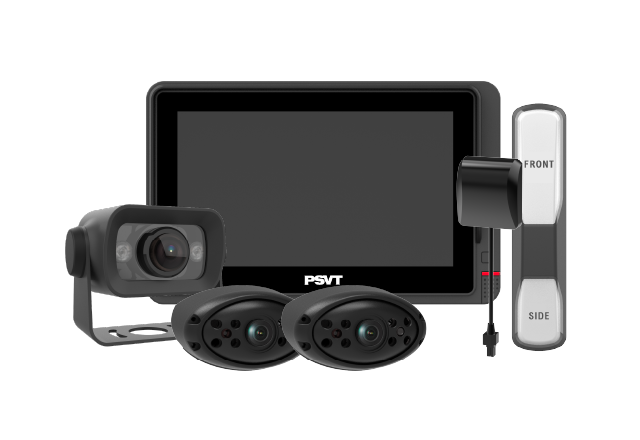
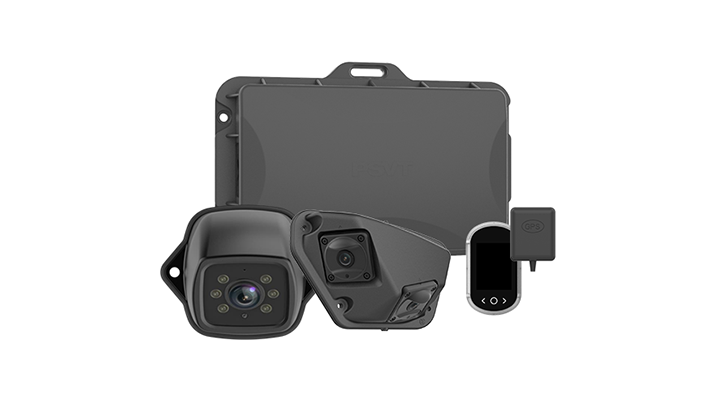
A driver behavior monitoring system is a combination of in-vehicle sensors, cameras, artificial intelligence, telematics and fleet management software. It monitors the driver and the vehicle to identify unsafe or inefficient behavior.
Depending on the configuration, the system may use:
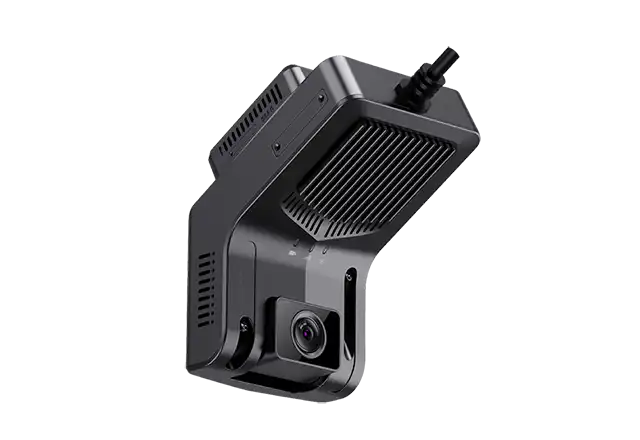
The system does more than record video. AI algorithms can distinguish between normal driver movements and behaviors that may indicate danger. For example, briefly checking a mirror is very different from repeatedly looking down at a mobile phone. A well-designed system analyzes duration, frequency, context and confidence level before generating an alert.
The exact detection capabilities vary by product and vehicle application. However, the most valuable systems typically cover several major categories of driver risk.
Fatigue is one of the most difficult risks for fleets to manage because drivers may underestimate their own level of tiredness. Warning signs may include frequent eye closure, yawning, nodding, abnormal head position or prolonged loss of visual attention.
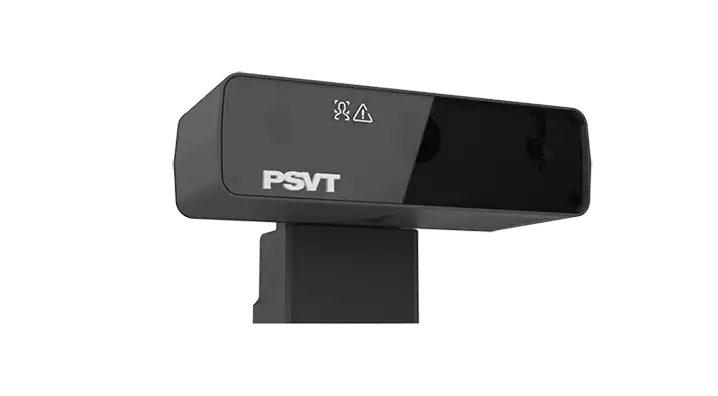
An intelligent driver-facing camera can detect these signs and issue an audible or visual warning. The alert encourages the driver to refocus or stop at a safe location for rest. The event can also be uploaded to the management platform, allowing the fleet operator to determine whether shift schedules, route length or insufficient rest periods are contributing to the problem.
The purpose is not to diagnose a medical condition. It is to identify visible signs of reduced alertness that may affect driving performance.
Distraction can take many forms. A driver may be using a mobile phone, adjusting a device, eating, looking away from the road or interacting with objects in the cabin. Even short periods of distraction are dangerous when a commercial vehicle is traveling at speed or operating near vulnerable road users.
A driver behavior monitoring solution can detect prolonged inattention and specific high-risk actions. Real-time alerts give drivers an opportunity to correct their behavior immediately. Meanwhile, event records help managers distinguish occasional mistakes from repeated patterns that require targeted coaching.
Commercial drivers increasingly depend on smartphones for navigation, dispatch communication and proof of delivery. However, handheld phone use while driving creates a serious risk and may violate local regulations or company policies.
AI-based monitoring can identify when a driver is holding or using a phone. Fleets can configure the response according to their operating policy. For example, the system may provide only an in-cab warning for a first event, while repeated events are marked for management review.
The technology should be supported by clear procedures. Drivers need to understand when communication devices may be used, where they should be mounted and what they should do if dispatch contacts them while the vehicle is moving.
Smoking may be prohibited in public transportation, hazardous-goods vehicles, company fleets or vehicles carrying food and sensitive cargo. It can also create distraction and fire risk.
A driver monitoring system can identify smoking behavior and generate an event for review. Similar analytics may detect drinking, eating or other cabin activities, although fleets should configure these functions carefully to avoid unnecessary alerts.
Seat belts remain one of the most basic and effective safety measures available to drivers. Nevertheless, compliance may be inconsistent, particularly during short trips, low-speed operations or repeated loading and unloading activities.
Seat belt monitoring may use visual AI, a physical seat belt sensor or a combination of both. The system can warn the driver and provide managers with compliance reports across vehicles, routes or operating teams.
Driver-facing analysis is only one part of behavior monitoring. Vehicle movement also provides important evidence. Frequent harsh braking may indicate following too closely, distraction or poor anticipation. Aggressive acceleration can increase fuel consumption and mechanical wear. Excessive cornering speed can threaten vehicle stability, passenger comfort and cargo security.
Telematics data helps fleets identify these patterns. However, context matters. A harsh braking event caused by a pedestrian entering the road should not be evaluated in the same way as repeated late braking during routine traffic.
Combining vehicle data with road-facing video gives fleet managers the context needed to make a fair assessment.
Speed-related risk cannot be evaluated only by comparing vehicles with a single fixed limit. Fleets may operate across highways, urban streets, construction zones, depots and private facilities. Each environment can have different restrictions.
By integrating GPS, mapped speed data and vehicle information, the system can identify speeding events and evaluate their severity and duration. Managers can then determine whether the cause is individual behavior, route pressure, inadequate journey planning or unclear company policy.
Real-time warnings are essential because they can correct behavior at the moment of risk. However, alerts alone do not create a complete safety program. If a system generates repeated warnings without follow-up, drivers may begin to ignore them.
An effective workflow typically includes four stages:
This process turns individual events into actionable knowledge. A driver behavior monitoring solution should help answer questions such as:
These insights allow fleets to address both individual performance and underlying operational causes.
Telematics can show that a vehicle braked sharply, but it cannot always explain why. Video may reveal that the driver responded correctly to a cyclist, an animal, a sudden lane change or a vehicle stopping unexpectedly.
This context protects both the fleet and the driver. It supports fair investigation, helps resolve disputed incidents and reduces the risk of judging drivers based on incomplete information. In some cases, video evidence may demonstrate that a driver’s defensive action prevented a more serious collision.
Event-based recording is usually more manageable than uploading continuous video. When a risk event occurs, the system can save a short clip covering the period before and after the event. Depending on fleet requirements, the complete recording may remain securely stored in the vehicle while only selected clips are transmitted to the platform.
The primary benefit is earlier risk intervention. By detecting fatigue, distraction and other dangerous behaviors, fleets can address problems before they contribute to a crash. Real-time alerts also give drivers immediate support when their attention begins to decline.
Generic safety training may have limited impact because it does not address the specific habits of each driver. Event data allows managers to provide targeted coaching based on actual situations.
A driver with repeated close-following and harsh-braking events may need different guidance from a driver experiencing fatigue on overnight routes. Personalized coaching is more relevant, measurable and easier to follow up.
Safer driving can contribute to lower repair costs, reduced vehicle downtime and fewer cargo claims. Smoother acceleration and braking may also reduce fuel consumption as well as wear on brakes, tires and other components.
The financial value should be evaluated across the entire operation. A prevented collision may avoid not only repair costs but also lost deliveries, replacement-vehicle expenses, investigation time and reputational damage.
Digital event records make it easier to demonstrate that the fleet has established safety policies, monitored high-risk behavior and conducted corrective training. This can support internal audits, customer requirements and insurance discussions.
Regulatory and privacy requirements differ between markets, so fleets should always confirm how driver data and video may be collected, retained and used.
Driver monitoring is sometimes perceived only as a management tool, but it can also protect drivers. Video and telematics evidence may clarify the circumstances of a collision, defend a driver against a false complaint or show that the driver took appropriate evasive action.
This benefit should be explained clearly during implementation. When drivers understand that the technology can support them as well as identify unsafe behavior, acceptance is more likely to improve.
Technology alone cannot produce a strong safety culture. Fleets must introduce monitoring in a transparent and responsible way.
Before deployment, the organization should explain:
The system should focus on safety-relevant events rather than unnecessary surveillance. Access should be controlled by role, and retention periods should reflect operational and legal needs.
A staged rollout can be useful. Fleets may begin with a pilot group, collect feedback, refine alert thresholds and demonstrate how the system supports fair coaching. This approach helps identify installation or configuration issues before deployment across the entire fleet.
A system that produces too many alerts can become counterproductive. Drivers may ignore frequent warnings, while managers may struggle to review large numbers of low-value events.
Several factors influence detection quality:
The selected driver behavior monitoring solution should allow configuration for different vehicle types and operational environments. Heavy trucks, city buses, coaches, vans, construction vehicles and forklifts do not share identical cabins or duty cycles.
During the pilot phase, the fleet should review sample events and adjust thresholds. The objective is to prioritize meaningful risks rather than maximize the number of alerts.
Driver monitoring becomes more valuable when it works with other vehicle safety systems.
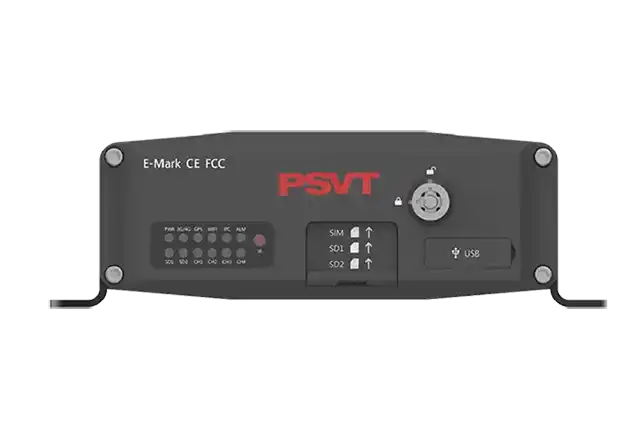
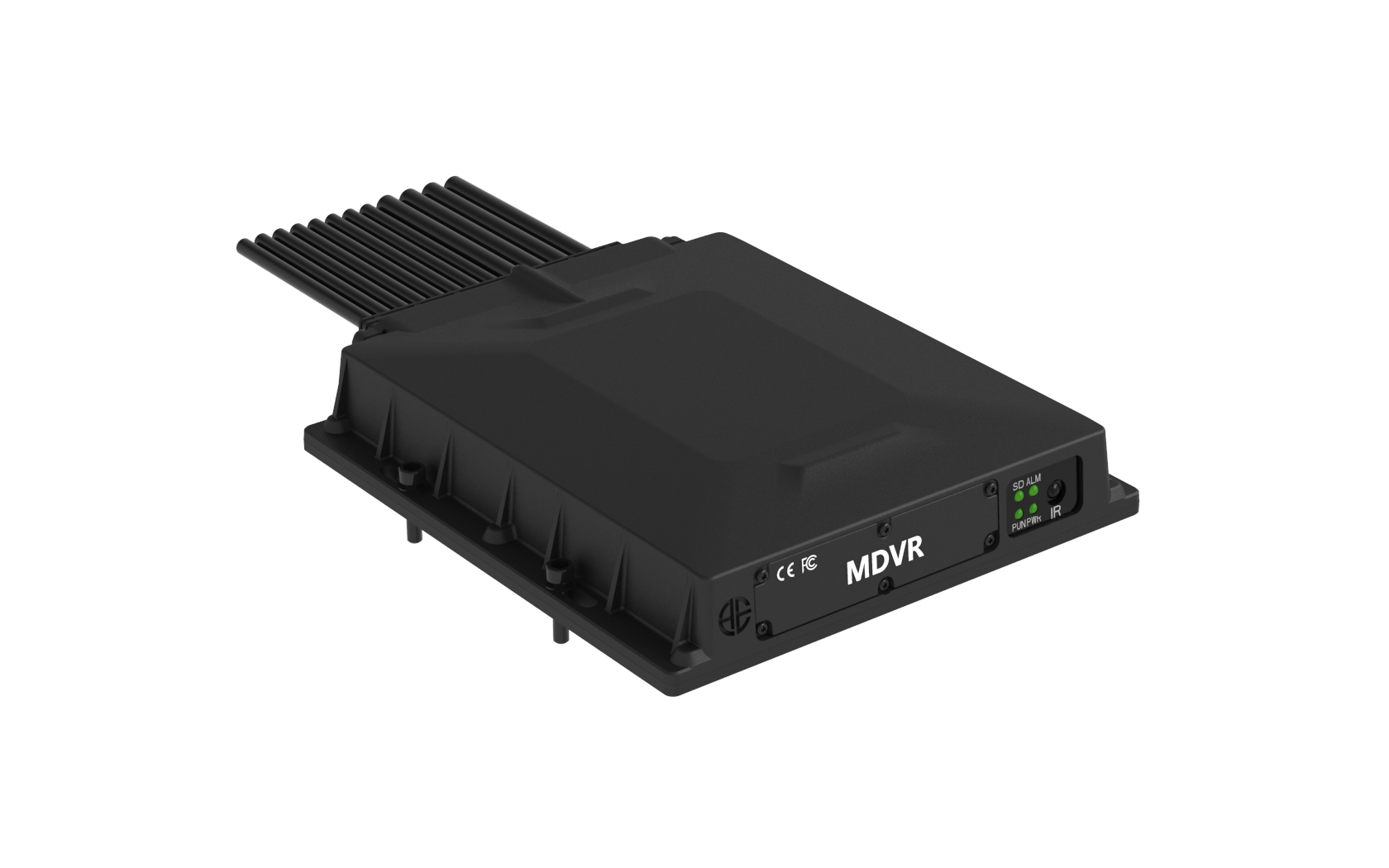
Integration with an MDVR can provide synchronized driver-facing and road-facing video, local storage, GPS, 4G connectivity and event uploads. Integration with ADAS can correlate driver attention with external hazards such as forward collision warnings or lane departures.
For example, a lane departure event is more informative when the system can determine whether the driver was distracted or fatigued at the same moment. Likewise, a forward collision warning combined with mobile phone detection represents a higher-priority coaching event than either alert alone.
A centralized fleet platform can bring together driver monitoring, vehicle location, video, alarm history and performance reporting. This gives managers a more complete view without requiring multiple disconnected systems.
Fleet operators should evaluate more than the product’s detection list. A successful deployment depends on hardware reliability, algorithm performance, integration capability and long-term operational support.
Important selection criteria include:
Ask the supplier how the system performs in real commercial vehicle cabins, not only under controlled laboratory conditions. Evaluate detection under daytime, nighttime, vibration and changing-light conditions.
Alerts should be clear, timely and configurable. The fleet should be able to prioritize critical behaviors without overwhelming the driver.
Review local storage capacity, event clip duration, upload rules and remote retrieval options. Determine whether the system supports SD cards, hard drives or solid-state storage appropriate for the application.
For remote fleet management, evaluate 4G or other wireless connectivity, data usage and offline behavior. The system should preserve events locally when connectivity is unavailable and upload them when the connection is restored.
The management platform should make it easy to filter events by driver, vehicle, date, behavior and severity. Useful dashboards should show trends and repeated risks, not merely display a long alarm list.
The solution should support current fleet requirements while allowing future integration with MDVR, ADAS, GPS, CAN data, cloud platforms or third-party fleet management systems.
Confirm that the system provides appropriate authentication, permissions, transmission security and data protection. These features are especially important when driver video is stored or accessed remotely.
Commercial vehicles operate in demanding conditions. Hardware should be designed for temperature variation, vibration, voltage fluctuation and long operating hours. Camera installation and cable reliability are also critical to consistent performance.
Before deployment, fleets should establish baseline performance and define measurable objectives. Useful indicators may include:
The strongest measurement is not simply whether alerts decrease. A sudden reduction may also indicate disabled equipment, poor connectivity or drivers learning how to avoid detection. Fleet managers should combine system data with accident records, maintenance information and operational feedback.
A well-managed driver behavior monitoring solution creates value by reducing risk exposure and improving decision-making. Return on investment should therefore be assessed across safety, insurance, maintenance, fuel, productivity and customer service.
Start with a clearly defined safety objective. Decide whether the immediate priority is fatigue prevention, distraction reduction, seat belt compliance, smoother driving or a combination of risks.
Run a controlled pilot across representative vehicles, routes and drivers. Include different cabin types, shift patterns and operating environments. Review detection quality and gather driver feedback before expanding the project.
Create a written policy that explains the purpose of the system and how data will be used. Train supervisors to interpret events fairly and consistently. A single event should rarely be considered in isolation; managers should evaluate frequency, severity, context and improvement over time.
Use positive reinforcement as well as corrective coaching. Recognizing safe driving and measurable improvement can strengthen engagement. Driver scorecards should support development rather than function only as a ranking or punishment tool.
Finally, review the program regularly. Routes change, vehicles are replaced, regulations evolve and new risks emerge. Alert settings, coaching procedures and performance targets should be updated accordingly.
The most important shift is moving from accident response to risk prevention. Cameras and telematics cannot replace professional drivers, effective training or responsible fleet management. They can, however, provide earlier warnings and better evidence.
A driver behavior monitoring solution gives fleet operators visibility into risks that were previously difficult to identify. When combined with real-time alerts, contextual video, fair coaching and clear privacy policies, it can help reduce preventable incidents while protecting drivers and strengthening operational control.
For commercial fleets, safer behavior is not only a compliance issue. It affects vehicle availability, fuel efficiency, maintenance, insurance, customer confidence and brand reputation. The fleets that gain the greatest value will be those that treat driver monitoring not as a surveillance tool, but as part of an integrated safety and performance improvement program.
By connecting the driver, vehicle and management platform, AUTOEQUIPS can help commercial fleet operators build a scalable safety system around real operating conditions. The result is a clearer understanding of risk, faster intervention and a more proactive approach to protecting drivers, passengers, cargo and vulnerable road users.