UN Regulation R151/R159/R158
View More

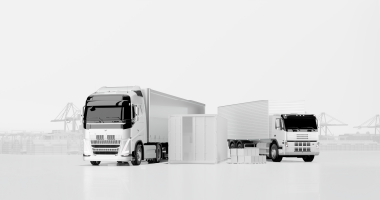






Commercial vehicles operate in environments where a momentary blind spot can become a serious incident. Trucks turn across cycle lanes, buses pull away from crowded stops, refuse vehicles reverse through residential streets, and construction machines work within meters of personnel. Conventional mirrors and basic cameras improve visibility, but they still ask the driver to watch several views, interpret each one, and react under pressure.
AI 360° Vision Systems address this gap by combining a stitched surround view with intelligent object detection, real-time warnings, and—when recording is integrated—video evidence. The result is not merely a better image. It is a more complete safety workflow that helps fleets prevent incidents, understand what happened, and continuously improve operations.
The geometry of a commercial vehicle creates visibility challenges that cannot always be solved by mirrors alone. A long wheelbase changes the path of the rear wheels during a turn. A high cab can hide pedestrians standing close to the front. Bodywork, cargo, trailers, lifting equipment, and attachments can create additional areas that the driver cannot see directly. Even when multiple mirrors are fitted, the driver must repeatedly move attention between the road, mirrors, dashboard, and surrounding traffic.
These challenges become more severe in low-speed environments. Depots, loading bays, construction sites, bus terminals, warehouses, and narrow urban roads bring vehicles and vulnerable road users into close proximity. The driver may be dealing simultaneously with reversing instructions, time pressure, noise, poor lighting, rain, dirt on the lens, or an unfamiliar site layout. A passive camera may display the hazard, but it cannot guarantee that the driver will notice it at the right moment.
For fleet operators, the consequences extend beyond repair costs. An incident may lead to vehicle downtime, insurance claims, missed deliveries, legal disputes, reputational damage, driver stress, and customer dissatisfaction. Serious events involving pedestrians or cyclists can also expose weaknesses in training, route planning, risk assessment, and safety governance. This is why advanced surround-view technology should be evaluated as part of a fleet risk strategy rather than as an isolated camera accessory.
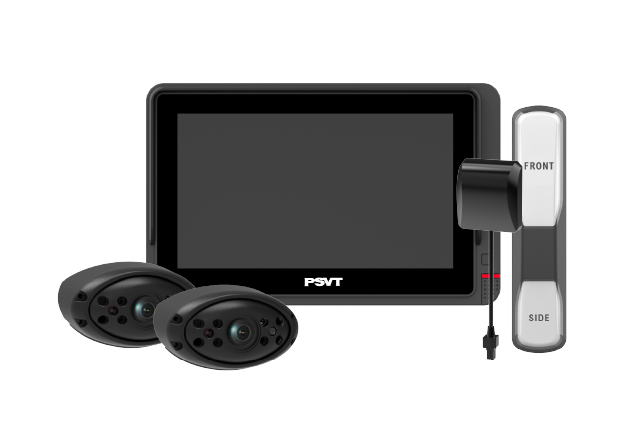
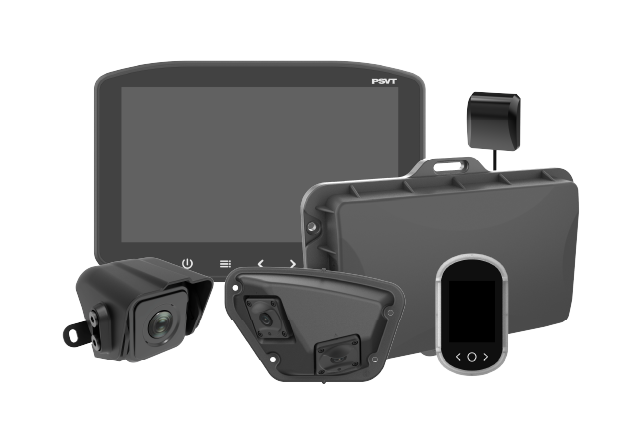
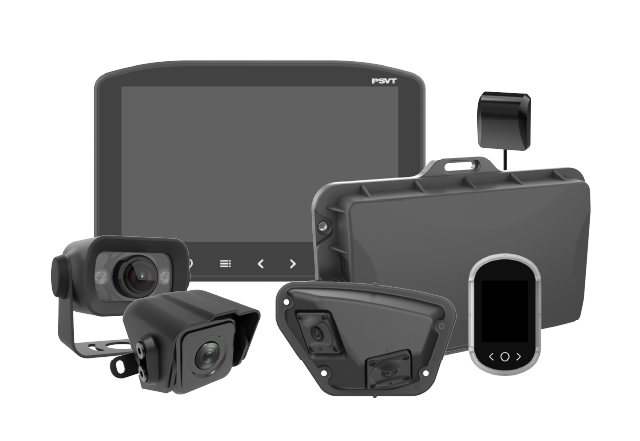
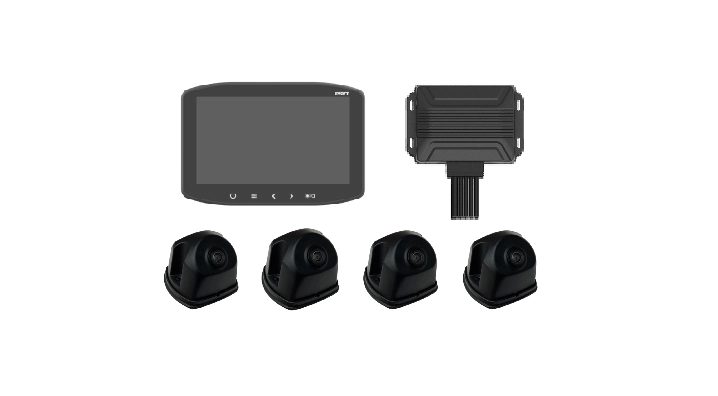
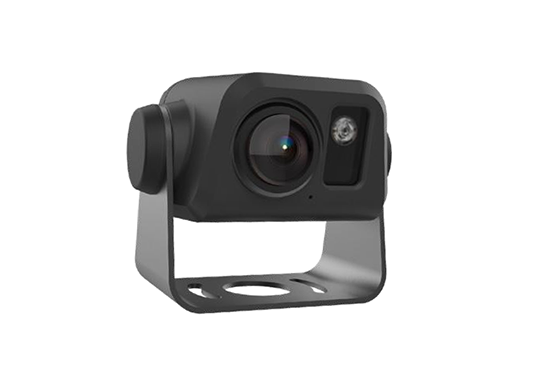
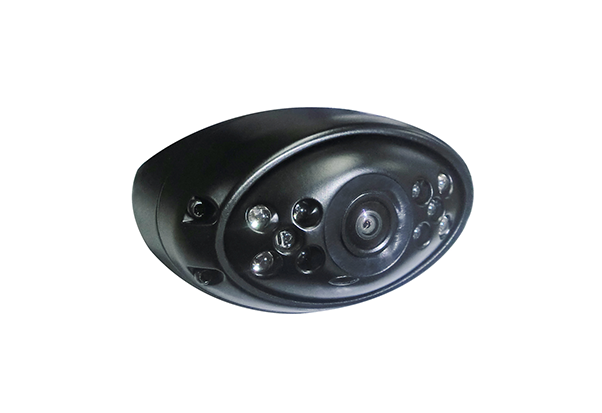
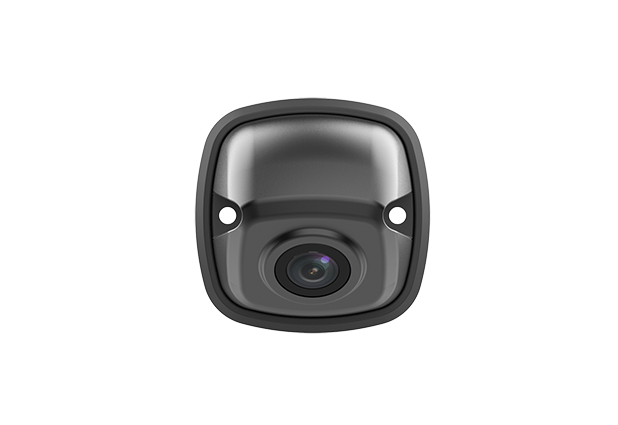
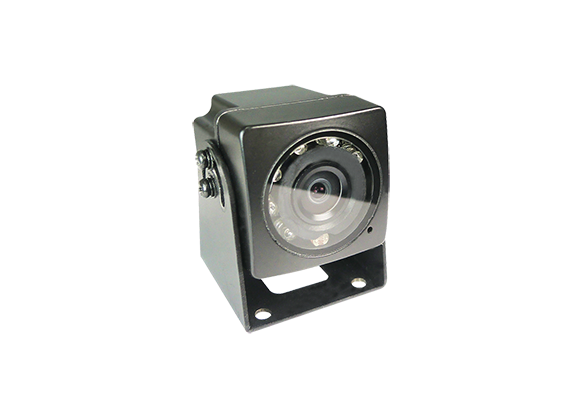
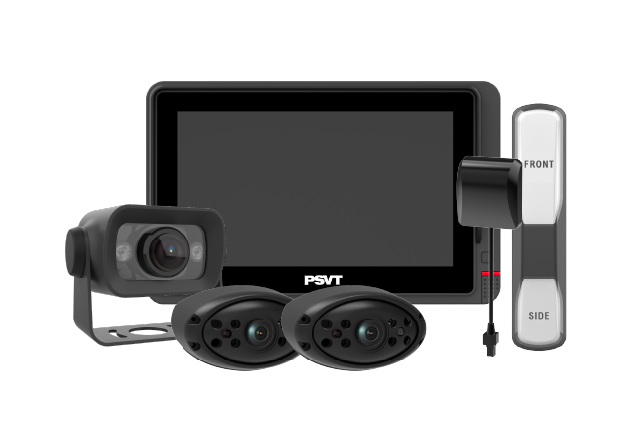
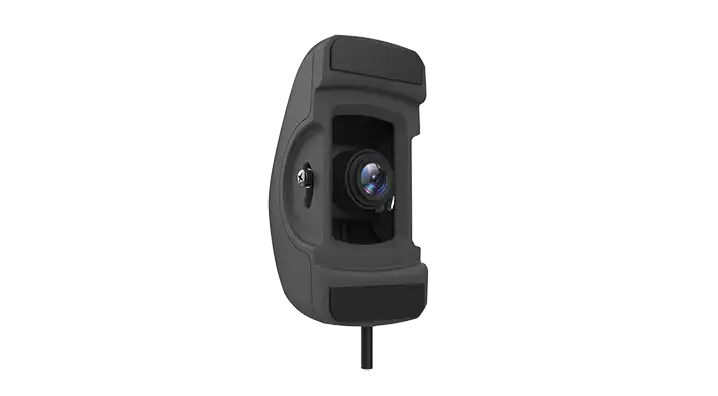
A typical system uses several wide-angle cameras installed around the vehicle, commonly at the front, rear, left, and right. The electronic control unit corrects lens distortion and combines the camera feeds into a single bird’s-eye image. Calibration aligns the views with the vehicle dimensions so the driver can understand the position of obstacles relative to the vehicle body.
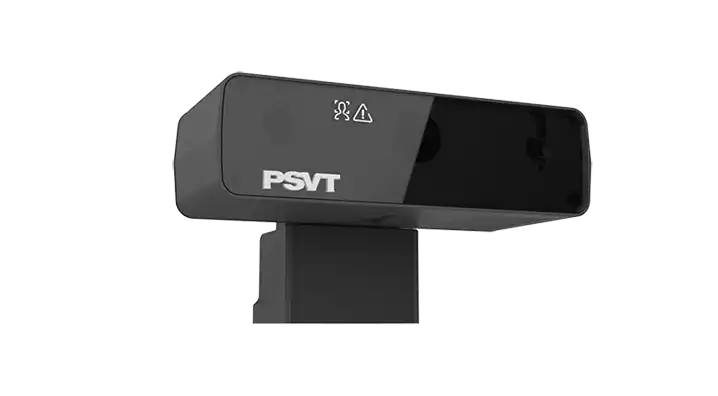
The AI layer adds another level of value. Instead of displaying every pixel with equal importance, the system analyzes the surrounding scene and identifies relevant objects such as pedestrians, cyclists, vehicles, or obstacles. Depending on the product configuration, it may apply detection zones, motion analysis, vehicle speed, steering status, turn signals, or direction of travel to determine whether an object represents an immediate risk.
This contextual approach matters. A pedestrian standing safely on a distant pavement should not necessarily trigger the same warning as a cyclist entering the vehicle’s turning path. Effective systems are designed to support the driver with timely visual and audible warnings while controlling unnecessary alerts. Excessive alarms can lead to warning fatigue, so detection accuracy, zone design, and vehicle-signal integration are as important as raw camera resolution.
The key difference between a conventional surround-view monitor and AI 360° Vision Systems is the transition from passive visibility to active assistance. A standard system gives the driver more visual information. An intelligent system helps interpret that information and directs attention toward a developing hazard.
For example, when a truck begins a left or right turn, the system can prioritize the corresponding side detection zone. If a cyclist or pedestrian is moving into the potential conflict area, the monitor can highlight the object and issue a warning. While reversing, the rear view can become the primary display, with AI detection used to identify a person approaching from outside the driver’s immediate focus. At a depot, the bird’s-eye view can help the driver judge clearance around corners, loading equipment, bollards, and adjacent vehicles.
This does not replace the driver or remove the need for safe operating procedures. It creates an additional layer of situational awareness. The strongest product messaging is therefore not “the AI drives the vehicle,” but “the system helps the driver recognize critical hazards earlier and make better-informed decisions.” That distinction is important for responsible marketing, customer expectations, and real-world deployment.
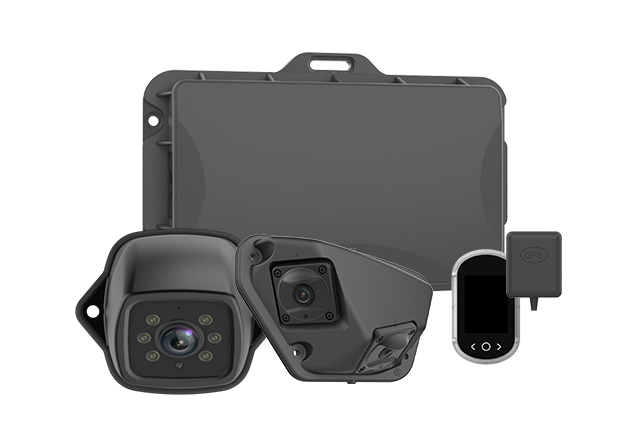
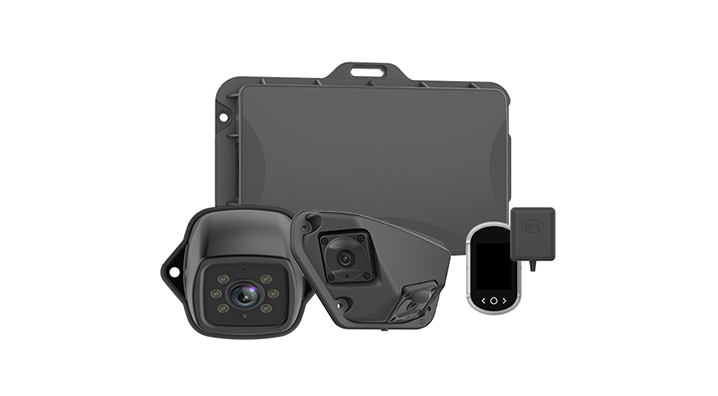
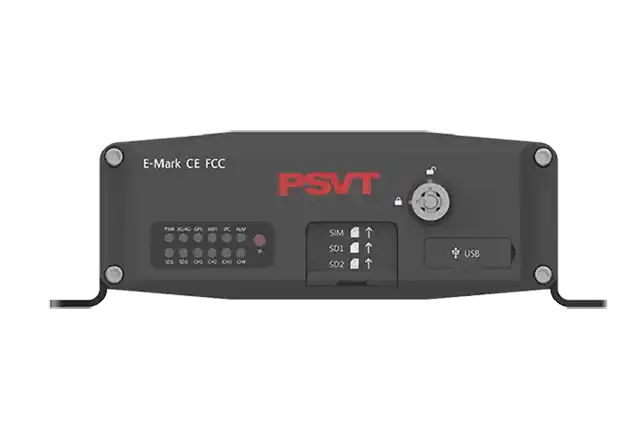
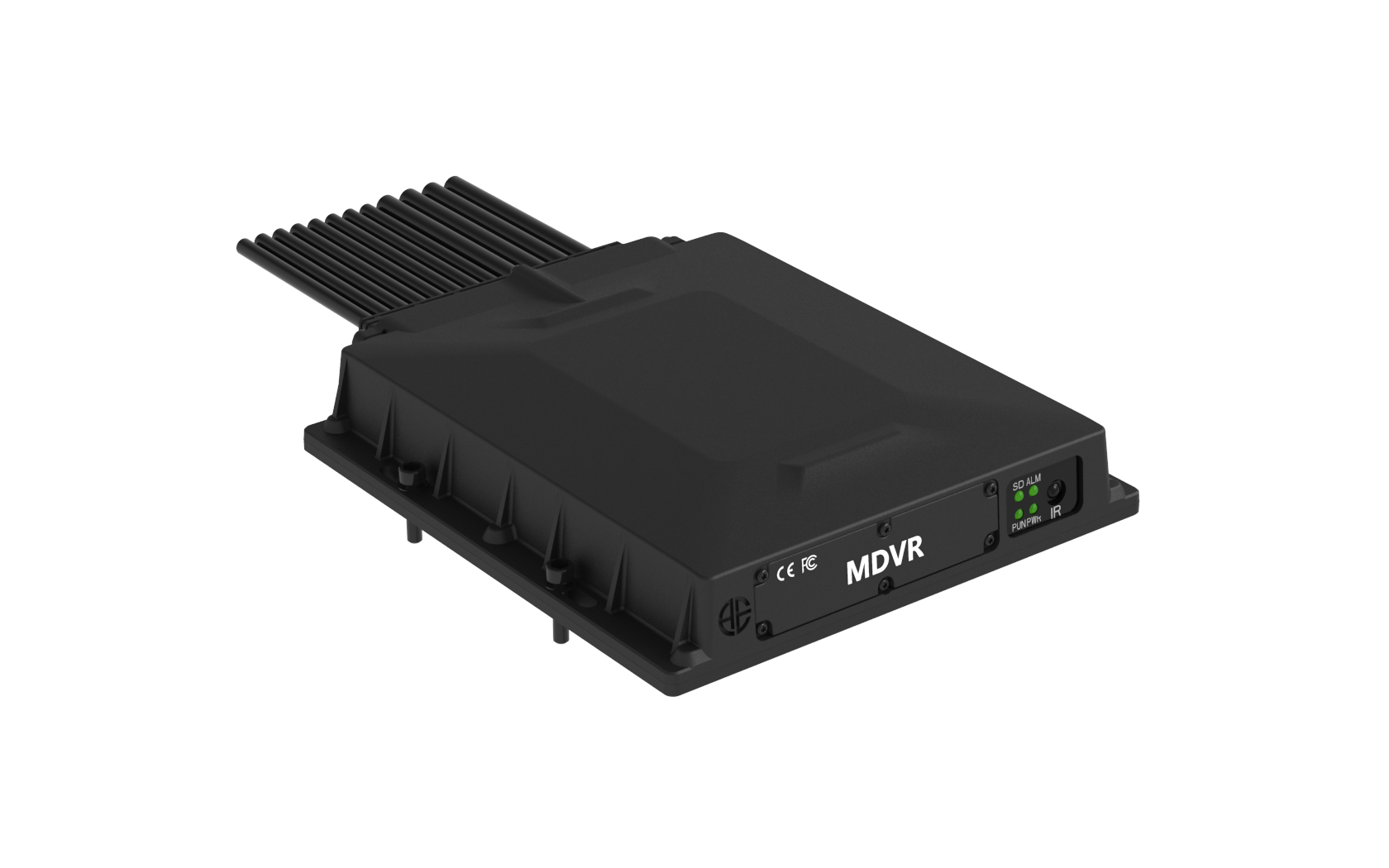
Surround-view visibility helps during the event; recording helps after it. When local storage or MDVR functionality is integrated, fleets can retain synchronized footage from the cameras surrounding the vehicle. This turns an active-safety system into a source of operational evidence.
Recorded video can support incident reconstruction, insurance handling, driver exoneration, complaint investigation, and coaching. If an alert is linked to a video clip, the safety team can review not only whether an object was detected but also the road layout, vehicle movement, environmental conditions, and driver response. Event locking can protect important clips from routine overwriting, while metadata such as time, position, speed, and vehicle signals can provide additional context.
The product strategy matters here. Adding a basic surround-view function to a recording-centric MDVR may deliver broad channel capacity but may not prioritize low-latency stitching, driver display, calibration, or intelligent detection around the vehicle. By contrast, an AI AVM-centered architecture with recording treats visibility and active safety as the core experience, then adds traceability. For fleets primarily concerned with low-speed collision prevention, that difference can be decisive.
Heavy trucks and articulated vehicles benefit during urban turns, lane changes, depot maneuvering, and coupling operations. Vulnerable road users may remain close to the cab or trailer while the vehicle follows a wide turning path. An intelligent surround view can consolidate multiple perspectives and focus the driver’s attention on the relevant side of the vehicle.
City buses and coaches operate near passengers, cyclists, platform edges, and congested stops. Frequent pulling in and out creates repeated exposure to low-speed risk. A system that supports side awareness, front-area monitoring, and recorded evidence can help operators improve both safety and complaint handling.
Refuse and municipal vehicles stop frequently and may reverse in residential areas where pedestrians can approach unexpectedly. Some operations also involve personnel working outside the vehicle. Here, carefully configured detection zones and clear warning logic are essential because the environment is active and visually complex.
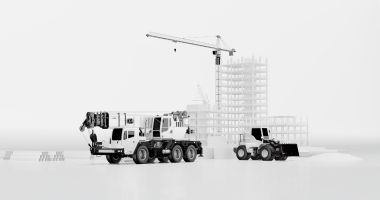
Construction vehicles, concrete mixers, dump trucks, and mining equipment work in dust, vibration, uneven terrain, and restricted spaces. Rugged cameras, durable connectors, stable image processing, night performance, and environmental protection become central purchasing criteria. AI detection can support awareness around personnel, but hardware reliability is equally important because a system that is unavailable in harsh conditions provides no safety value.
Logistics vans, cold-chain vehicles, and delivery fleets may place greater emphasis on urban maneuvering, evidence, easy installation, and scalable fleet management. Forklifts and warehouse vehicles require a different configuration, often focused on very low-speed interaction with workers, racks, corners, and shared indoor routes. The technology must therefore be adapted to the vehicle and operating design domain rather than sold as a universal plug-and-play package.
The first value category is risk reduction. By highlighting people or objects around the vehicle, AI 360° Vision Systems can support earlier driver awareness during turning, reversing, parking, and low-speed maneuvering. The business case should be based on the fleet’s actual incident patterns: where events occur, what vehicle movements are involved, and which blind zones repeatedly appear in near-miss reports.
The second category is evidence. Multi-channel recording can reduce ambiguity after an incident and help resolve conflicting accounts. Video may protect a driver from an inaccurate allegation or reveal an unsafe practice that requires corrective training. For insurers and fleet managers, faster access to relevant footage may shorten investigation time and reduce administrative effort.
The third category is operational learning. Fleets can review recurring alerts, locations, vehicle types, routes, or driver behaviors to identify systemic risk. If the same depot corner produces repeated warnings, the solution may involve site redesign rather than driver discipline. If a particular vehicle body creates a persistent detection gap, camera placement or zone configuration may need adjustment.
The fourth category is integration. A connected system may share events, health status, positioning, or video with a fleet platform. Remote device checks can help teams identify camera obstruction, storage failure, or communication loss before these issues are discovered after an incident. However, cloud connectivity should be selected according to operational need, privacy policy, bandwidth, cybersecurity requirements, and total cost.
Detection performance should be tested in realistic conditions, not only in a controlled demonstration. Buyers should consider pedestrian and cyclist detection at relevant distances, different clothing, partial occlusion, night conditions, rain, shadows, busy backgrounds, and movement close to the vehicle. They should also examine false-positive behavior because an alarm that activates too frequently may be ignored.
Image performance includes more than resolution. Field of view, dynamic range, low-light capability, distortion correction, stitching quality, end-to-end latency, and display readability all affect the driver experience. A sharp image that arrives too late or is difficult to interpret does not deliver effective real-time assistance.
Calibration and installation influence both cost and performance. Fleets should ask how cameras are positioned, how vehicle dimensions are entered, whether calibration requires a large dedicated area, how long installation takes, and how the system handles different body configurations. A repeatable single-step or guided calibration process can improve deployment consistency across a large fleet.
Recording specifications should include channel count, resolution, frame rate, storage media, retention time, event locking, playback tools, data export, and protection against power interruption. Storage claims should be translated into expected recording days using the actual bitrate, number of channels, operating hours, and overwrite policy. “Supports 2 TB” is not the same as guaranteeing a specific retention period.
Vehicle integration should cover power, ignition, reverse signal, turn indicators, speed input, CAN communication, and display behavior. Buyers should determine whether the product can work as a standalone retrofit and whether it can also support deeper OEM or body-builder integration. Interfaces, diagnostics, firmware management, cybersecurity controls, and long-term component availability become increasingly important for scaled programs.
Hardware durability should be validated against the target environment. Camera ingress protection, operating temperature, vibration resistance, electromagnetic compatibility, connector retention, lens heating or anti-fog measures, and cleaning requirements all affect lifetime performance. Regulatory or industry standards may be relevant, but certification scope must be checked carefully; approval of one component does not automatically certify the complete vehicle installation.
One mistake is buying from a specification sheet without studying the operating scenario. A four-camera layout suitable for a rigid truck may not cover an articulated combination or a vehicle with specialist equipment. The fleet should map vehicle dimensions, blind zones, driving tasks, environmental conditions, and incident history before selecting hardware.
Another mistake is treating installation as the end of the project. Drivers need clear training on what the display shows, what each warning means, when the view changes, what the system cannot detect, and how to report faults. Safety managers need procedures for reviewing events, retaining evidence, protecting personal data, and deciding when coaching is appropriate.
A third mistake is failing to define success. A pilot should establish baseline measures and compare results over a meaningful period. Relevant indicators may include preventable low-speed collisions, reversing incidents, claims handling time, near-miss reports, driver acceptance, false alarms, device uptime, and maintenance requirements. The goal is not simply to count alerts; it is to determine whether the system changes risk and improves fleet processes.
Vehicle video can capture pedestrians, license plates, employees, customer sites, and public spaces. Fleets therefore need a defined purpose for recording, an appropriate retention policy, access controls, secure export procedures, and clear accountability. Privacy requirements vary by jurisdiction and use case, so legal and data-protection teams should review deployments before scale-up.
Data minimization is a sound design principle even when a specific regulation does not prescribe the technical architecture. Not every fleet needs continuous cloud upload. Local recording with event-based retrieval may meet the operational requirement while reducing bandwidth, exposure, and cost. Where remote access is necessary, encryption, authentication, user permissions, audit records, secure updates, and vulnerability management should be evaluated.
The supplier should also explain how AI models, firmware, and device configurations are maintained. Fleet safety equipment may remain in service for many years, so ongoing update support and cybersecurity governance matter beyond the initial sale. Procurement teams should consider the lifecycle of the system, not only the launch specification.
The ROI case for AI 360° Vision Systems should compare total program cost with the losses that the technology and associated processes can realistically influence. Program cost includes hardware, monitors, storage, installation, calibration, connectivity, software subscriptions, training, maintenance, replacements, and internal administration.
Potential benefits include fewer preventable collisions, reduced repair expense, lower vehicle downtime, faster claims resolution, fewer disputed incidents, more targeted coaching, improved driver confidence, and stronger customer assurance. Some benefits are easier to quantify than others. A fleet should avoid promising a universal accident-reduction percentage and instead build a model from its own claims history and exposure.
A useful pilot compares similar vehicles, routes, and duty cycles. It also records operational feedback from drivers, installers, safety managers, and claims teams. If the technology detects hazards accurately but the warning is poorly timed, the system needs configuration work. If video is valuable but difficult to retrieve, the workflow needs improvement. ROI emerges from the combined product and process—not from hardware alone.
Start with a risk assessment. Identify the vehicle groups and maneuvers associated with the highest frequency or severity of incidents. Select a representative pilot fleet and define the required detection areas, warning strategy, recording duration, data access rules, and success metrics.
Next, conduct installation and calibration on real vehicles. Test day and night performance, different payload conditions, normal routes, depot operations, reversing, turns, and close-range interactions. Include drivers early and document their feedback. A technically capable product can still fail if alerts are confusing or the display distracts from the driving task.
During the pilot, monitor device availability, false warnings, missed detections, storage health, retrieval time, driver acceptance, and relevant safety events. Review results with operations, safety, IT, legal, maintenance, and procurement teams. Then refine the configuration and rollout plan by vehicle type.
Finally, establish lifecycle ownership. Define who checks system health, who can access video, how long footage is retained, how updates are approved, how damaged cameras are replaced, and how drivers report defects. A successful deployment turns technology into a managed safety capability.
Commercial fleet safety is moving beyond simply giving drivers more camera views. AI 360° Vision Systems combine surround visibility, intelligent detection, contextual warnings, and optional recording to support a more complete safety loop: see the risk, alert the driver, preserve the evidence, and learn from the event.
For buyers, the most important question is not whether a product has four cameras or an AI label. It is whether the complete solution performs reliably on the target vehicle, in the target environment, with a warning strategy that drivers can use and an evidence workflow that fleet teams can manage. When selected and deployed carefully, intelligent surround vision can become a practical foundation for active safety, operational accountability, and long-term risk improvement.
They are vehicle safety solutions that combine multiple cameras to create a surround or bird’s-eye view and use artificial intelligence to detect relevant road users or obstacles. Depending on the configuration, they may provide visual and audible warnings, record synchronized video, and share events with a fleet management platform.
A standard system primarily displays stitched video. An AI-enabled system analyzes the scene, identifies selected objects, and helps direct the driver’s attention to potential hazards. The exact capability depends on detection classes, warning logic, vehicle-signal integration, and system configuration.
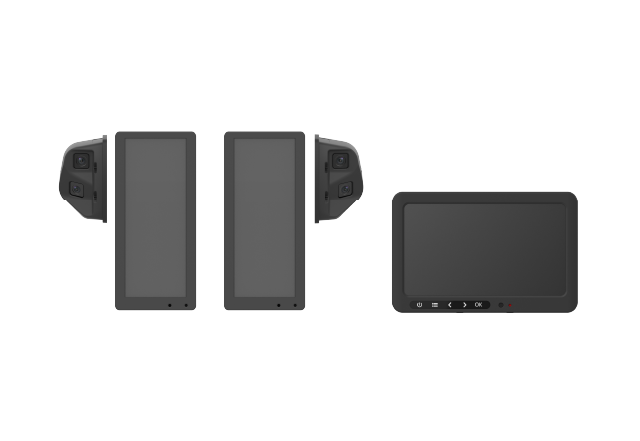
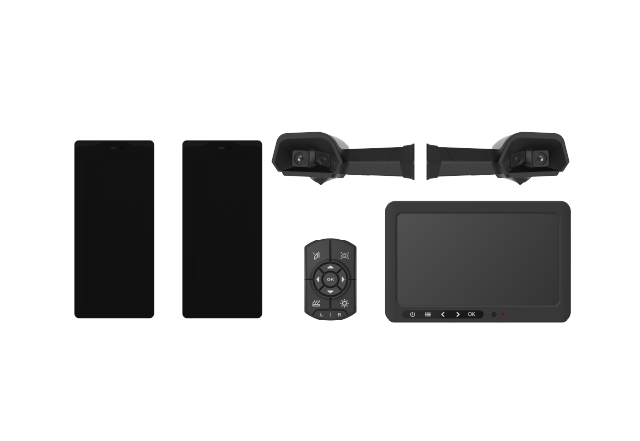
Not automatically. Mirror replacement is subject to vehicle design, homologation, installation, and applicable regulations. Many surround-view products are supplemental driver-assistance systems. Buyers should confirm the approved use and certification scope with the supplier and relevant authority.
Some systems are designed for low-light detection, but performance varies by camera sensor, lens, illumination, AI model, object distance, weather, and installation. Fleets should validate night performance on representative vehicles and routes before purchasing at scale.
That depends on the product and configuration. Options may include continuous loop recording, event-triggered clips, manual recording, or no recording. Buyers should confirm storage capacity, overwrite behavior, event protection, expected retention time, and export procedures.
Storage requirements depend on the number of channels, resolution, frame rate, codec, bitrate, daily operating hours, and retention target. The supplier should calculate usable recording duration based on the proposed settings rather than quoting only the maximum storage capacity.
Yes. Poorly configured zones or warning logic can create unnecessary alarms and reduce driver trust. A pilot should measure false positives and verify that alerts are linked to vehicle movement, risk zones, and operational context where appropriate.
Integration is possible when compatible video inputs, communication interfaces, event protocols, and APIs are available. Fleets should confirm whether integration covers live display, recording, alerts, metadata, remote retrieval, device health, and firmware management—not simply physical camera compatibility.
Common applications include heavy trucks, buses, coaches, refuse vehicles, construction and mining equipment, tankers, delivery fleets, agricultural machinery, and forklifts. The strongest business case is usually found where large blind zones, frequent low-speed maneuvering, vulnerable road users, or costly incident disputes are present.
Evaluate detection performance, image latency and quality, calibration, hardware durability, recording reliability, integration, cybersecurity, regulatory evidence, installation support, warranty, update policy, and lifecycle service. Ask for a real-vehicle pilot using your routes and operating conditions.
No. Compliance may depend on the vehicle category, system purpose, component approvals, installation position, warning behavior, documentation, and local rules. A supplier should clearly state which standards or regulations apply and provide evidence for the exact product configuration.
Begin with incident data and a vehicle-specific risk assessment. Define measurable pilot goals, test the system in real conditions, involve drivers and safety teams, refine warning zones, and establish video governance before expanding across the fleet.