UN Regulation R151/R159/R158
View More

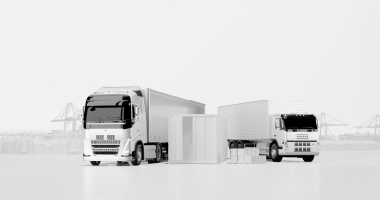
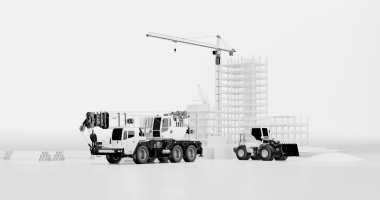
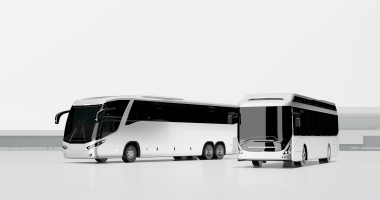






Commercial vehicle operators are under growing pressure to improve road safety, reduce blind spots, support drivers, and control fleet operating costs. A Camera Monitor System is increasingly becoming an important part of that safety strategy. By replacing or supplementing conventional exterior mirrors with cameras and in-cab displays, a Camera Monitor System can give drivers a clearer, more consistent view around trucks, buses, coaches, and other commercial vehicles. For fleet managers, OEMs, body builders, and transport safety specialists, the value of a Camera Monitor System goes beyond image display. It is about improving visibility, supporting safer decisions, and creating a more modern vehicle safety architecture.
A Camera Monitor System is an electronic indirect-vision solution designed to provide the driver with visual information from areas around the vehicle. Instead of relying only on traditional glass mirrors, a Camera Monitor System uses exterior cameras to capture the surrounding environment and display the video on monitors positioned inside the cab.
In commercial vehicles, a Camera Monitor System may be used for rearward vision, side vision, blind-spot visibility, lane-change support, reversing visibility, or a combination of these functions. The exact system architecture depends on the vehicle type, application, camera layout, display configuration, and regulatory requirements.
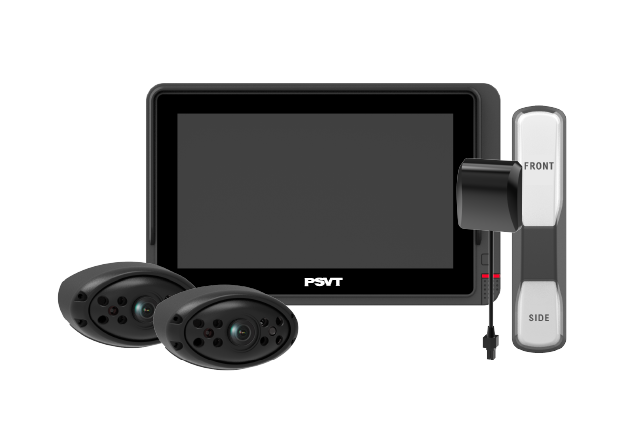
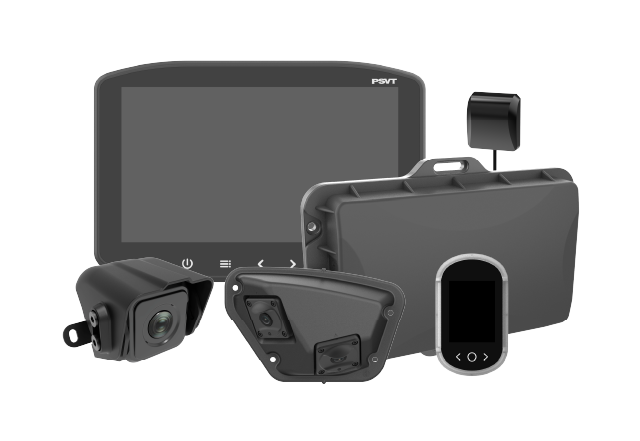
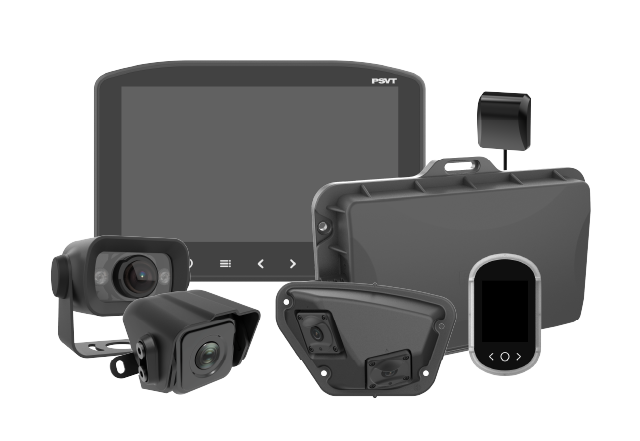
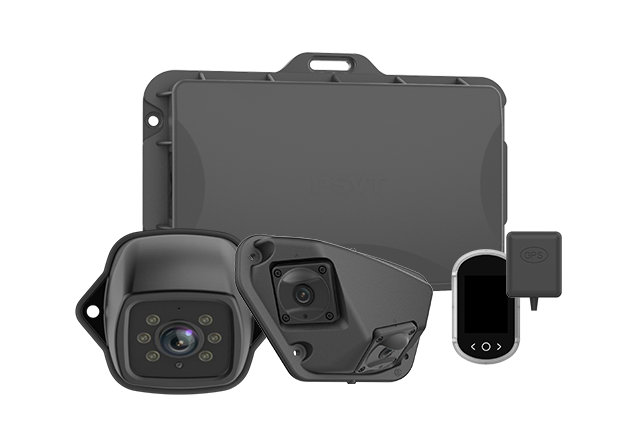
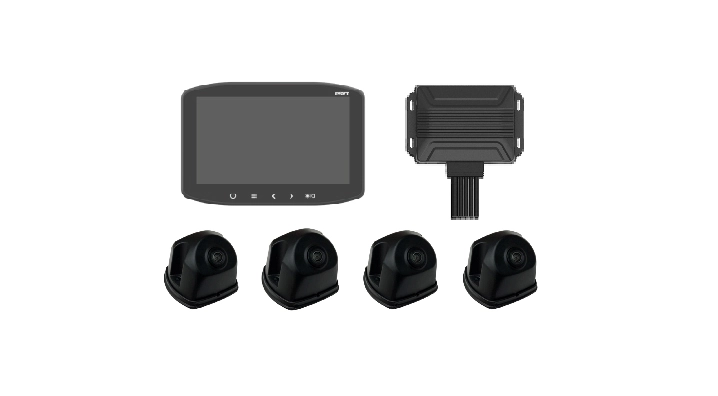
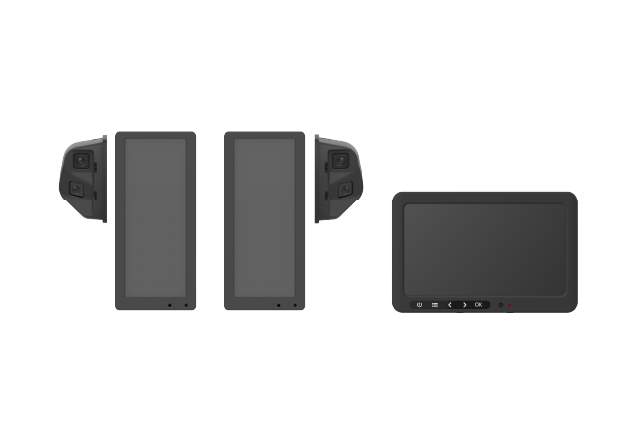
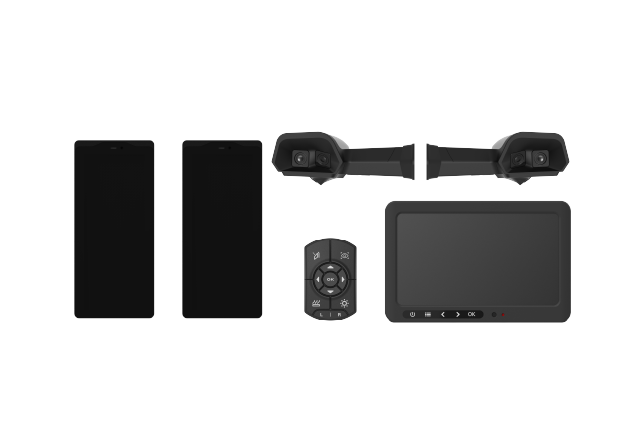
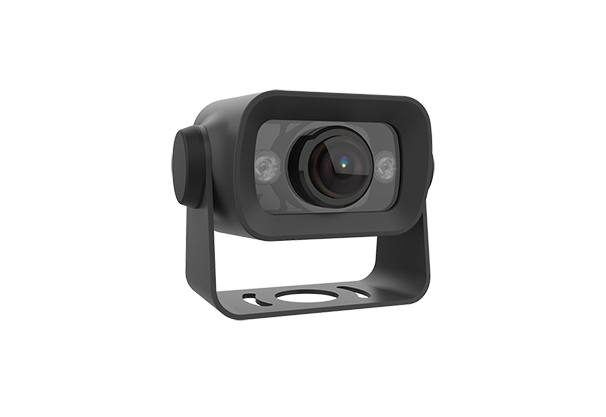
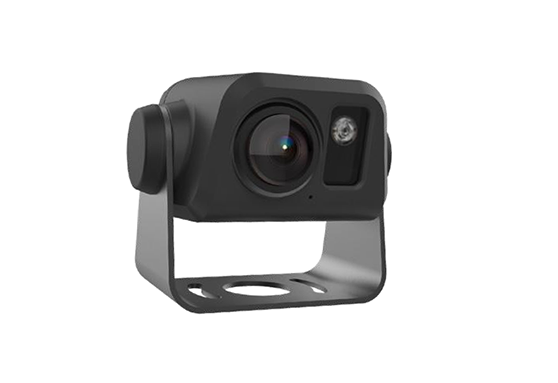
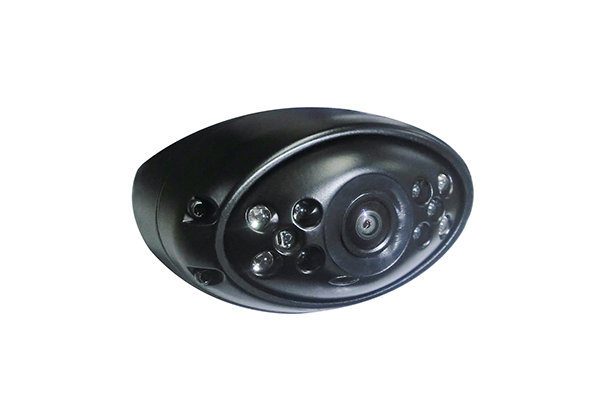
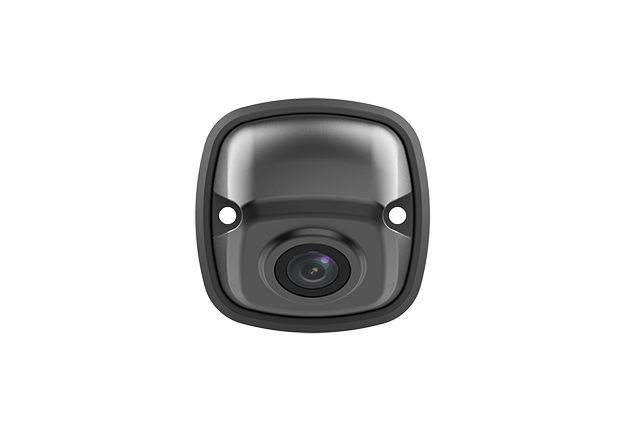
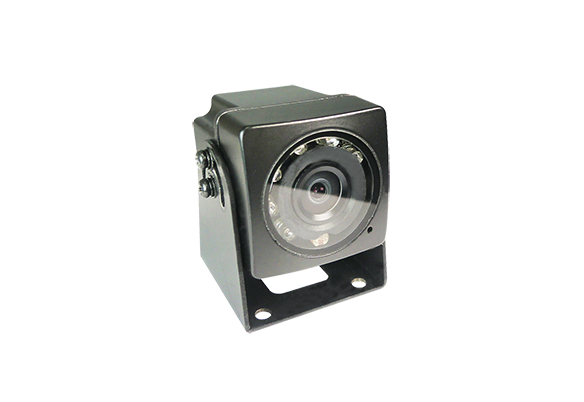
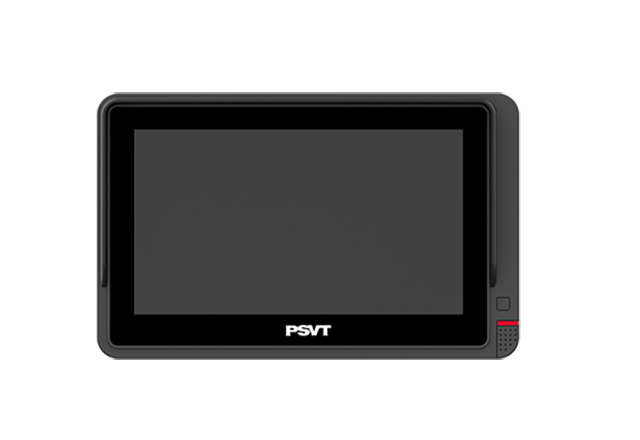
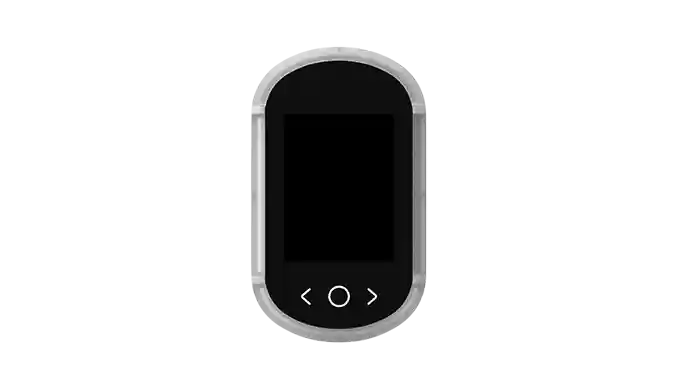
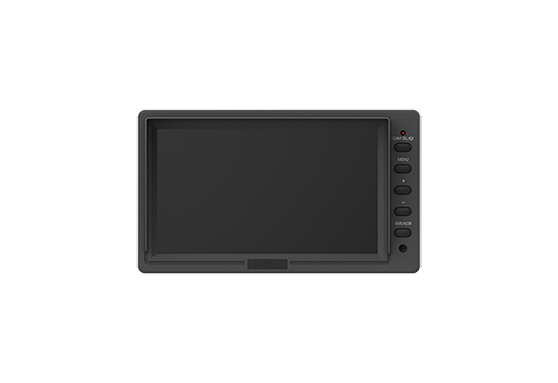
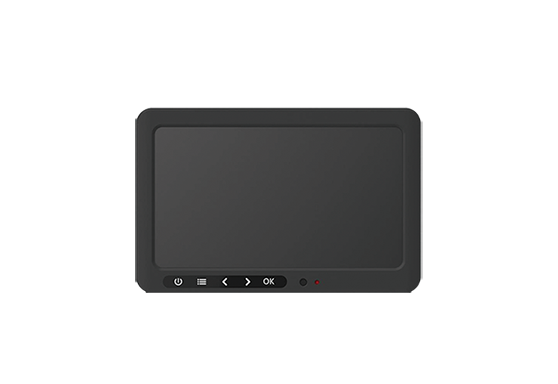
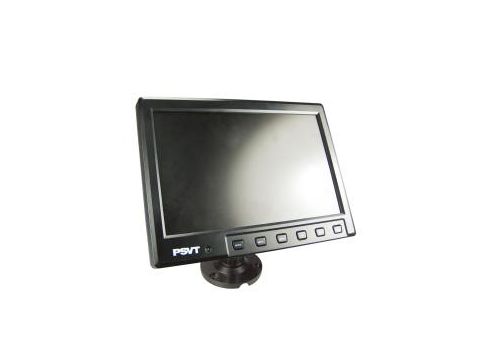
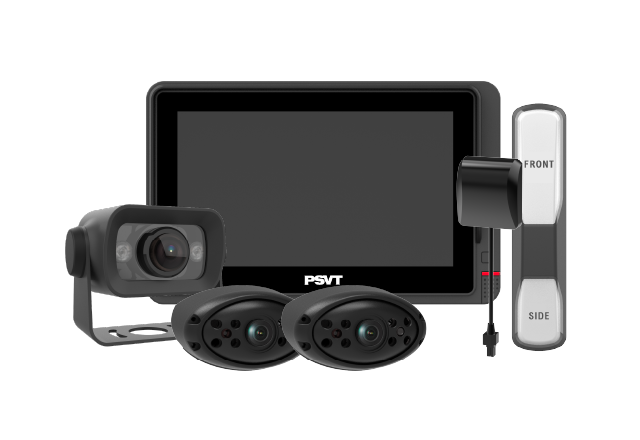
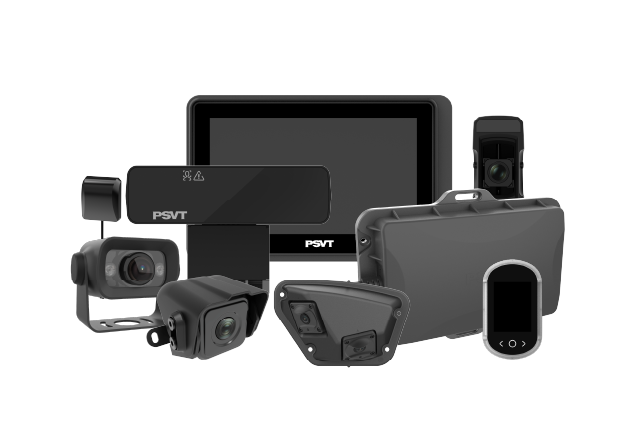
A typical Camera Monitor System consists of exterior cameras, one or more displays, wiring or digital video connections, an electronic control architecture, and image-processing functions. Depending on the product design, the Camera Monitor System may also include automatic brightness adjustment, low-light enhancement, glare suppression, heating, image calibration, fault monitoring, and vehicle signal integration.
The purpose is simple: the Camera Monitor System should help the driver see relevant areas clearly, quickly, and reliably.
Trucks, buses, coaches, refuse vehicles, construction vehicles, and other large commercial vehicles have a very different visibility profile from passenger cars. Vehicle length, cab height, body structure, trailer configuration, and driver seating position can create significant visual limitations.
Traditional mirrors remain widely used, but they also have practical constraints. Mirror housings may create aerodynamic drag. Reflections can be affected by glare, darkness, rain, snow, contamination, and the driver's viewing angle. Large mirror assemblies may also create additional external obstruction.
A Camera Monitor System provides another way to manage these visibility challenges. Cameras can be installed in carefully selected positions, while displays can be placed closer to the driver's natural field of view. With the right system design, a Camera Monitor System can provide a stable and useful image without requiring the driver to rely entirely on a distant mirror surface.
For fleets, the question is not whether a Camera Monitor System looks more modern. The real question is whether the Camera Monitor System can help drivers understand the vehicle's surroundings more effectively during real operating conditions.
The main advantage of a Camera Monitor System is the ability to optimize the visual chain from camera to display.
With a conventional mirror, the final image depends on physical reflection, mirror geometry, environmental conditions, and the driver's eye position. A Camera Monitor System captures an electronic image and then presents that image on a digital display.
This allows the Camera Monitor System to use image-processing technologies to improve visibility under challenging conditions. For example, dynamic exposure can help balance bright and dark areas. Noise reduction can improve visual clarity in low-light environments. Glare control can reduce excessive brightness from headlights. LED flicker mitigation can help reduce distracting image artifacts caused by certain lighting sources.
A well-designed Camera Monitor System may also maintain a more consistent image during transitions between different lighting environments. This is particularly important when a commercial vehicle enters or exits a tunnel, drives through a shaded loading area, operates at night, or faces strong backlight.
The result should not be an artificially enhanced image that only looks impressive in a showroom. The goal of a Camera Monitor System is to provide useful visual information that supports the driver's real-time decisions.
Blind spots are one of the most important safety concerns in commercial vehicle operation. Large vehicles may have limited visibility along the sides, near the front corner, behind the vehicle, or around trailer areas.
A Camera Monitor System can be designed to improve visual coverage in these critical zones. Camera placement can provide views that are difficult to achieve with a traditional mirror alone. Depending on the application, the Camera Monitor System may help the driver monitor vulnerable road users, nearby vehicles, curbs, loading areas, and lane boundaries.
For city buses and delivery trucks, a Camera Monitor System can be particularly useful in crowded urban environments. For coaches and long-haul trucks, the Camera Monitor System can support lane-change awareness and side visibility. For construction and vocational vehicles, a Camera Monitor System can improve visibility around complex body structures and working areas.
It is important to distinguish visibility support from automated detection. A Camera Monitor System primarily provides the driver with visual information. An AI blind-spot detection system or radar system may add automated object detection and warning functions.
In advanced commercial vehicle architectures, a Camera Monitor System can work alongside these technologies to create a broader safety solution. The driver receives both visual context and, where applicable, automated warnings from additional safety sensors.
Commercial vehicles do not operate only in ideal daylight. A fleet may travel before sunrise, through tunnels, in underground facilities, during rain, or on poorly lit roads. A Camera Monitor System must therefore be evaluated across a wide range of lighting conditions.
A high-quality Camera Monitor System should manage bright sunlight without excessive overexposure. It should also maintain usable details in dark scenes without creating excessive image noise. When the vehicle is exposed to strong headlights from behind, the Camera Monitor System should help control glare while preserving surrounding visual information.
Camera sensor quality, lens design, optical transmission, image signal processing, display brightness, display contrast, and system latency all affect the final performance of a Camera Monitor System.
For a B2B buyer, simply asking whether a Camera Monitor System supports “night vision” is not enough. Fleet operators should examine real road footage, low-light performance, backlight scenes, headlight glare, tunnel transitions, and rainy-night driving.
A Camera Monitor System should be selected based on operational evidence rather than a single laboratory specification or an attractive product brochure.
Latency is a critical factor in any Camera Monitor System. The driver is using the image to understand moving traffic, vehicle position, and road conditions. A delayed image can reduce the natural connection between what is happening outside the vehicle and what the driver sees on the display.
The complete latency of a Camera Monitor System may be influenced by the camera, video transmission method, image processor, electronic control unit, display processing, and internal software.
For this reason, Camera Monitor System evaluation should focus on end-to-end system performance. A fast camera alone does not guarantee a low-latency Camera Monitor System. Every stage in the video chain matters.
Low and stable latency is especially important during lane changes, turning, reversing, and operation in dense traffic. For commercial vehicle manufacturers and fleet safety buyers, Camera Monitor System latency should be treated as a safety-relevant performance parameter, rather than simply another electronics specification.
A Camera Monitor System for a heavy truck may require a different configuration from a Camera Monitor System for a city bus.
Truck applications may focus on side rearward vision, lane-change visibility, trailer awareness, aerodynamic design, and long-distance durability. A Camera Monitor System for articulated vehicles must also consider changing vehicle geometry and demanding operating conditions.
Bus and coach applications may place greater emphasis on urban traffic, cyclists, pedestrians, bus-stop environments, passenger service routes, and frequent turning. The display position of a Camera Monitor System is particularly important because drivers may already need to monitor the road, instrument cluster, doors, passenger areas, and route information.
For both trucks and buses, Camera Monitor System installation should be integrated into the vehicle design as early as possible. Camera height, mounting angle, lens field of view, monitor location, cable routing, electromagnetic compatibility, environmental protection, and service access should all be considered.
A Camera Monitor System should not be treated as a generic accessory that can be installed identically on every commercial vehicle.
The vehicle body, driver position, target field of vision, operating environment, and application should determine the final Camera Monitor System configuration.
For vehicle manufacturers and commercial fleet projects, regulatory compliance is a key part of Camera Monitor System selection.
In markets applying UNECE vehicle regulations, UN Regulation No. 46 is a major reference for devices for indirect vision. A Camera Monitor System intended to replace regulated mirror functions may need to meet applicable field-of-vision, image quality, performance, installation, and homologation requirements.
However, buyers should avoid assuming that every Camera Monitor System with a wide-angle camera is automatically suitable as a mirror-replacement solution.
The legal classification and approval requirements of a Camera Monitor System depend on the target market, vehicle category, installation, and intended function.
OEMs, system integrators, and fleet operators should verify the approval scope of the Camera Monitor System, including whether certification or approval applies to a component, a system configuration, or the final vehicle installation.
A compliant Camera Monitor System project requires cooperation between the Camera Monitor System supplier, vehicle manufacturer, engineering team, and homologation specialists.
For international vehicle projects, regulatory requirements should be reviewed at the beginning of the development process rather than after the Camera Monitor System has already been selected.
Commercial vehicles may operate for long hours and across difficult environments. A Camera Monitor System must therefore be designed for continuous use, vibration, temperature changes, moisture, dust, and vehicle electrical conditions.
Exterior cameras in a Camera Monitor System are exposed to rain, road spray, dirt, cleaning procedures, and temperature changes. Displays may be used in hot cabins, cold mornings, and high-brightness conditions. Connectors and cables must survive vibration and repeated vehicle movement.
For this reason, fleet buyers should evaluate the environmental design of the complete Camera Monitor System.
Key questions may include the ingress-protection level of the cameras, operating temperature range, vibration validation, connector design, heating strategy, and system fault behavior.
A Camera Monitor System may perform well during a short demonstration but still fail to meet fleet expectations if reliability has not been validated for long-term commercial operation.
The best Camera Monitor System is not simply the one with the sharpest promotional image. It is the Camera Monitor System that can continue delivering a stable view after thousands of hours of real vehicle use.
For fleet operators, product reliability also affects maintenance schedules and vehicle availability. A failed camera, damaged connector, or unstable display may require the vehicle to return to a workshop.
Therefore, serviceability should be included in the Camera Monitor System evaluation process. Modular components, robust connections, clear diagnostic functions, and reliable technical support can all contribute to a better long-term fleet experience.
Weather can directly affect camera visibility. Rain, snow, frost, and condensation may reduce the quality of the camera image. For fleets operating in cold or wet regions, a Camera Monitor System should include an appropriate environmental strategy.
Camera heating is one possible function. In a Camera Monitor System, the heater may support defrosting or help maintain camera visibility under specific conditions.
The design of the camera housing, lens cover, surface treatment, heating control logic, and mounting position can also influence the performance of the Camera Monitor System.
Automatic heating control can make a Camera Monitor System easier to use because the driver does not need to manually activate the function every time environmental conditions change.
However, heating should be evaluated as part of the overall Camera Monitor System design. Buyers should ask how the function is triggered, how power consumption is managed, and how the system behaves during low-temperature startup.
Fleet testing should also consider the actual climate in which the Camera Monitor System will operate. A vehicle used in northern Europe may have different environmental requirements from a bus operating in the Middle East or Southeast Asia.
One reason commercial vehicle manufacturers are interested in Camera Monitor System technology is the potential to reduce the size of external mirror structures.
Traditional commercial vehicle mirrors can be large because they must provide specific viewing areas. Depending on vehicle design, these mirror housings can contribute to aerodynamic drag and wind noise.
A Camera Monitor System may use more compact exterior camera assemblies. This can support aerodynamic optimization, although the actual efficiency benefit depends on the complete vehicle design and should be verified through vehicle-level engineering and testing.
For OEMs, the Camera Monitor System can therefore contribute to both vehicle styling and aerodynamic development.
For fleet buyers, it is important to avoid exaggerated fuel-saving claims unless the benefit has been validated on the relevant vehicle.
The strongest B2B marketing message is not that every Camera Monitor System will automatically reduce fuel consumption by a fixed percentage. The more credible message is that a compact Camera Monitor System architecture can support lower-drag vehicle design.
This distinction is important when fleet managers calculate return on investment. The performance of a Camera Monitor System should always be discussed within the context of the actual vehicle platform.
Changing from physical mirrors to a Camera Monitor System also changes the driver's visual habits.
With a traditional mirror, the driver looks toward an exterior mirror position. With a Camera Monitor System, the driver looks at an interior display.
Display location, image size, brightness, view orientation, and information layout can affect driver adaptation.
A well-designed Camera Monitor System should make the visual transition intuitive. The driver should be able to quickly understand vehicle position and surrounding traffic.
Fleet deployment should therefore include driver familiarization. Operators should explain how the Camera Monitor System behaves in daylight, darkness, rain, and startup conditions.
Drivers should also understand any distance reference lines, view-switching functions, warning icons, or fault indicators provided by the Camera Monitor System.
The human-machine interface of a Camera Monitor System is just as important as camera resolution. A high-resolution Camera Monitor System can still create a poor user experience if the display is badly positioned or the image is difficult to interpret.
Fleet operators should collect driver feedback during pilot projects. Professional drivers use the vehicle every day and may identify issues that are not obvious during engineering tests.
This feedback can help optimize the Camera Monitor System display location, camera angle, brightness settings, and operating logic before a larger fleet rollout.
A modern Camera Monitor System can form part of a larger commercial vehicle safety architecture.
The Camera Monitor System may operate alongside blind-spot information systems, moving-off information systems, reversing detection systems, driver monitoring, ADAS, radar, ultrasonic sensors, or mobile digital video recorders.
The Camera Monitor System provides visual context, while other technologies may provide detection, warning, recording, or analytics.
For example, an automated blind-spot system may warn the driver of a cyclist, while the Camera Monitor System allows the driver to visually confirm the surrounding situation.
This combination can be valuable in B2B fleet safety projects because no single technology solves every visibility and risk-management challenge.
When evaluating integration, buyers should ask whether the Camera Monitor System supports vehicle communication interfaces, alarm overlays, trigger inputs, multiple camera views, display switching, and future software development.
A scalable Camera Monitor System can make it easier for OEMs and fleets to expand the vehicle safety system over time.
For example, a vehicle platform may initially use the Camera Monitor System for indirect vision. A later vehicle programme may require AI pedestrian detection or blind-spot warnings.
A flexible system architecture can simplify future development. This is one reason OEMs should discuss the Camera Monitor System product roadmap with the supplier rather than evaluating only the current hardware.
Selecting a Camera Monitor System supplier is a strategic decision, especially for OEM, Tier 1, body builder, and large fleet projects.
The first question should be whether the supplier understands commercial vehicles. A Camera Monitor System for a passenger car is not automatically suitable for a truck or bus.
Buyers should review the supplier's Camera Monitor System engineering capability, homologation experience, customization capability, production quality, validation process, and after-sales support.
The supplier should be able to discuss camera optics, image processing, display design, low-light performance, latency, environmental protection, vehicle integration, and regulatory requirements.
A serious Camera Monitor System supplier should also be willing to review the target vehicle and operating scenario before recommending a configuration.
For custom projects, buyers should ask whether the Camera Monitor System can be adapted for camera shape, mounting brackets, cable length, connectors, display size, communication protocol, software interface, startup logo, heating logic, and vehicle signals.
A long-term Camera Monitor System project requires more than a product catalogue. It requires engineering cooperation.
Production capability is equally important. OEM and fleet projects may require stable component supply, quality management, product traceability, change control, and structured project communication.
Before selecting a Camera Monitor System partner, commercial vehicle companies should understand how the supplier manages development changes and mass production.
A low initial quotation does not always mean a lower total project cost. Engineering delays, installation changes, field failures, and poor technical support can increase the real cost of a Camera Monitor System programme.
Before purchasing a Camera Monitor System, fleet operators and project teams should define the real application.
What type of vehicle will use the Camera Monitor System? Is the main purpose mirror replacement, blind-spot visibility, reversing, or driver assistance?
Will the vehicle operate mainly in cities, on highways, at night, or in harsh weather?
Buyers should also ask how the Camera Monitor System performs in glare, low light, rain, vibration, and extreme temperatures.
They should review end-to-end latency, startup time, camera heating, display brightness, diagnostic behavior, and serviceability.
For regulated applications, the approval status of the Camera Monitor System should be reviewed carefully. For OEM projects, integration requirements should be confirmed early.
The more clearly the fleet defines its operating scenario, the easier it is to select the right Camera Monitor System.
A useful B2B evaluation should therefore answer several basic questions:
Answering these questions before supplier selection can reduce unnecessary redesign and simplify vehicle validation.
Fleet safety technology should be evaluated over the complete operating life of the vehicle. A Camera Monitor System can support a broader strategy to improve driver visibility, modernize the cab environment, and integrate new safety functions.
The business value of a Camera Monitor System may come from several areas: better visual support for drivers, reduced blind-spot limitations, improved environmental visibility, potential aerodynamic benefits, and easier integration with future electronic safety systems.
However, the results depend on system quality and correct installation.
A Camera Monitor System should be matched to the vehicle, validated in real operating conditions, and supported by an experienced supplier.
For fleet managers, the most effective approach is to begin with a clear risk assessment. Identify where visibility problems occur, review vehicle types, study driver feedback, and then evaluate whether a Camera Monitor System can address those specific challenges.
Pilot fleet testing can be particularly useful. By installing the Camera Monitor System on a small number of representative vehicles, fleet managers can gather driver feedback and evaluate performance during real routes.
Night driving, urban intersections, highways, depots, loading areas, and adverse weather should be included where relevant.
The objective is to understand how the Camera Monitor System performs in the fleet's actual operating environment.
This evidence-based approach also helps fleet safety teams communicate the value of the Camera Monitor System to drivers, management, and procurement departments.
The Camera Monitor System is becoming part of the wider digital transformation of commercial vehicles.
As cameras, displays, processors, and vehicle networks continue to develop, the Camera Monitor System can become more closely connected with ADAS, AI detection, vehicle diagnostics, and intelligent cockpit systems.
Future Camera Monitor System platforms may offer more adaptive image processing, improved self-diagnostics, better sensor integration, and closer integration with vehicle electronic architecture.
For commercial vehicle manufacturers, this creates an opportunity to design a more connected safety platform. For fleets, it creates an opportunity to move from isolated safety devices towards an integrated visibility and risk-management strategy.
However, more functions do not automatically create a better Camera Monitor System.
The fundamental requirements remain clear. A Camera Monitor System must deliver a stable image, appropriate field of vision, low latency, environmental reliability, and an intuitive driver experience.
AI and advanced software may add new capabilities, but they should not distract from the core performance of the Camera Monitor System.
The core purpose of the Camera Monitor System will remain the same: helping the driver understand the environment around the vehicle.
The technology will continue to evolve, but reliability, clarity, low latency, and human-centred design will remain essential.
A Camera Monitor System is more than a digital replacement for a traditional mirror. For commercial vehicles, a Camera Monitor System can improve indirect vision, support blind-spot management, enhance visibility in challenging lighting conditions, and integrate with a wider range of fleet safety technologies.
The right Camera Monitor System should be designed around the vehicle, the driver, the operating environment, and the applicable regulatory requirements.
Fleet operators should evaluate image quality, latency, environmental reliability, display design, heating, integration capability, and supplier experience.
For OEMs, body builders, and commercial fleets, choosing a Camera Monitor System is ultimately about creating a more reliable visual connection between the driver and the road environment.
A successful Camera Monitor System project begins with clearly defined vehicle requirements and continues through engineering integration, validation, driver adaptation, and long-term technical support.
As commercial vehicles become more digital and safety-focused, the Camera Monitor System will continue to play an important role in the next generation of fleet visibility solutions.
For AUTOEQUIPS' website positioning, I would next adjust this into a more lead-generation-focused version, adding R46, Class II/Class IV, 269 million km of real-world road testing, and OEM/ODM capabilities while keeping the SEO structure.