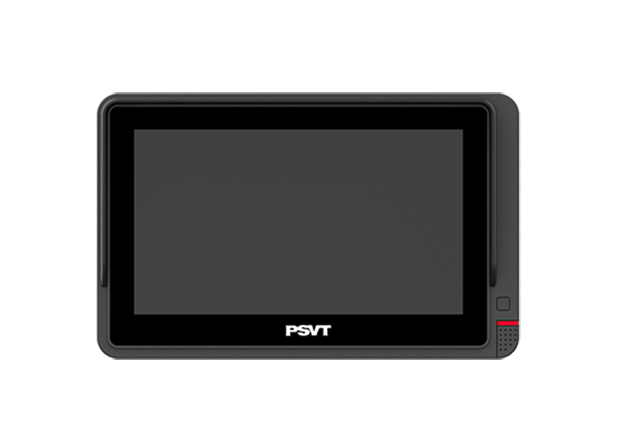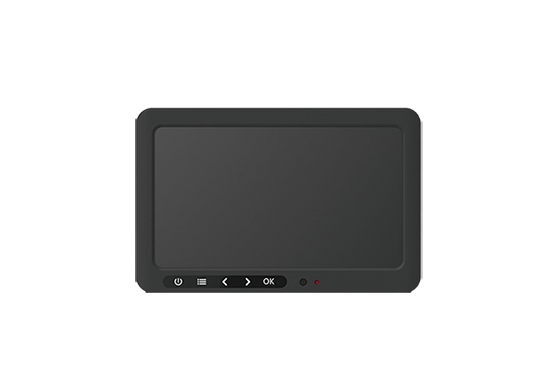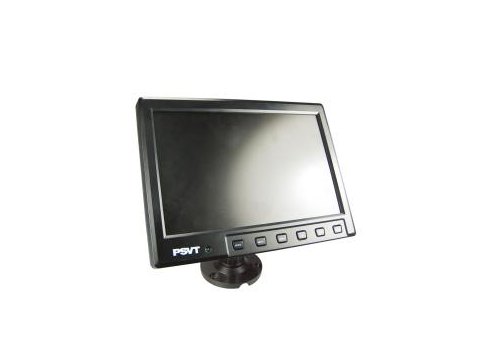
UN Regulation R151/R159/R158
View More







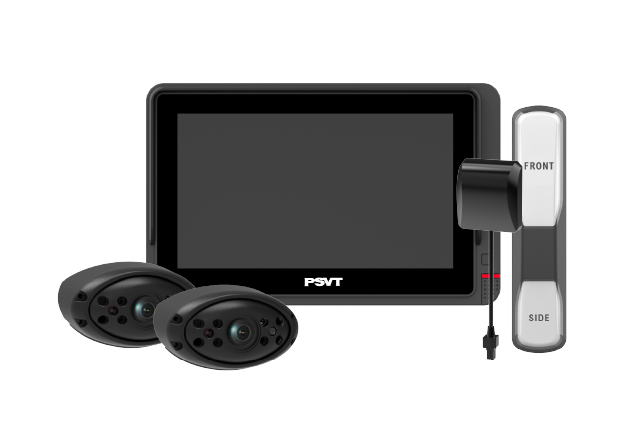
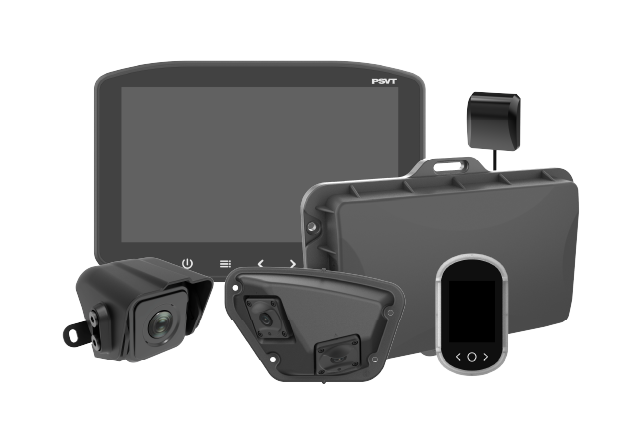
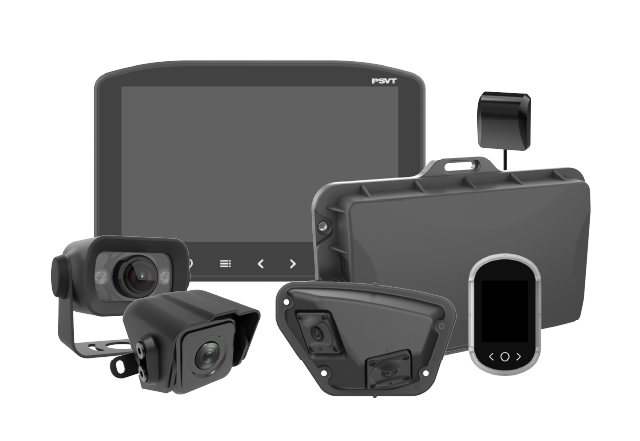
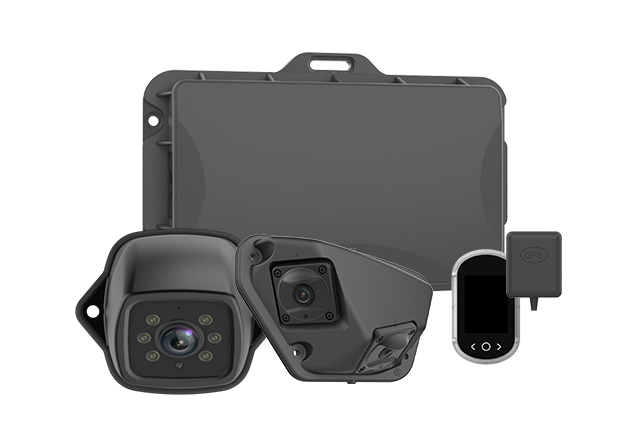
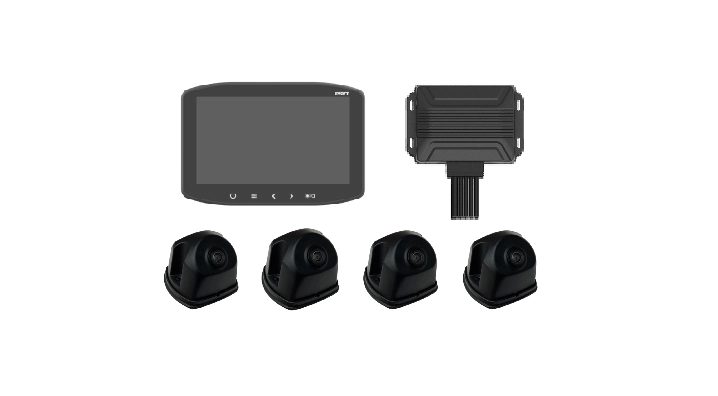
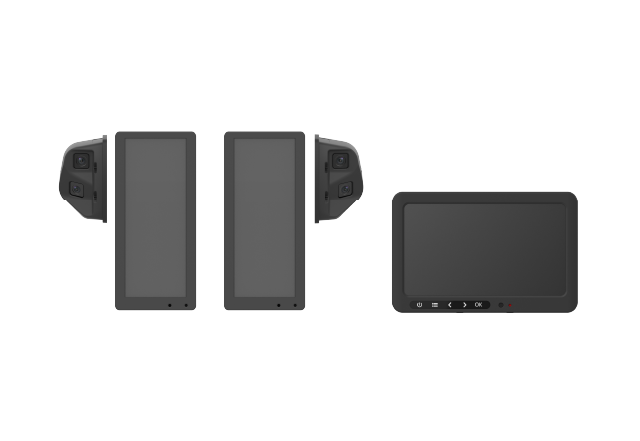
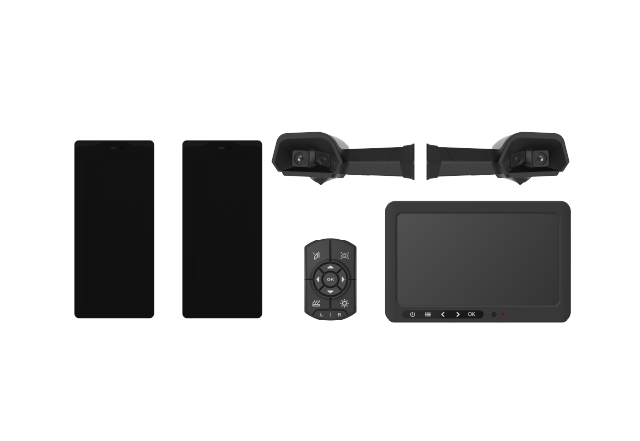
Electronic rearview mirrors are changing how commercial vehicle drivers monitor the road beside and behind their vehicles. By combining externally mounted cameras with in-cab displays, these systems offer an alternative to conventional mirror assemblies and create new opportunities to improve visibility. For fleet operators, however, the investment involves more than replacing glass with screens. The right solution must deliver usable images in demanding conditions, suit the vehicle’s operating environment, support driver confidence, and meet the requirements of the intended market.
Understanding these factors helps buyers move beyond attractive specifications and assess what a system can contribute to everyday fleet operations.
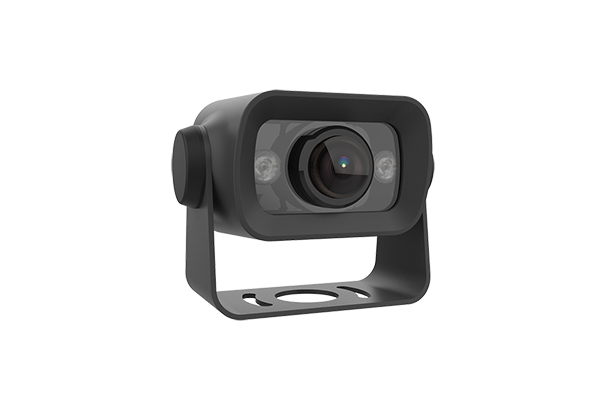
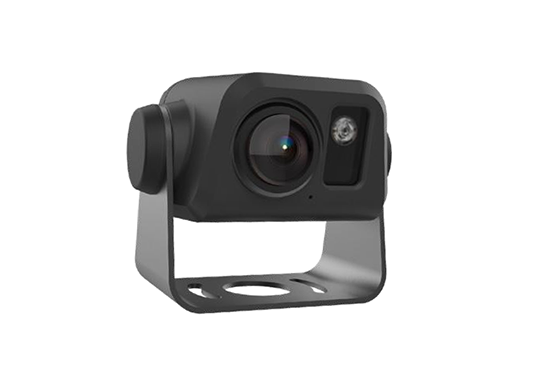
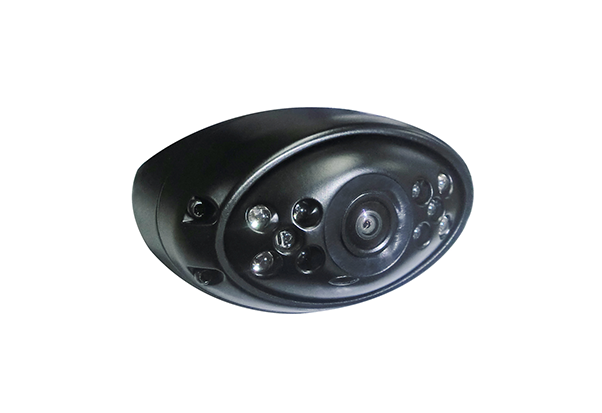
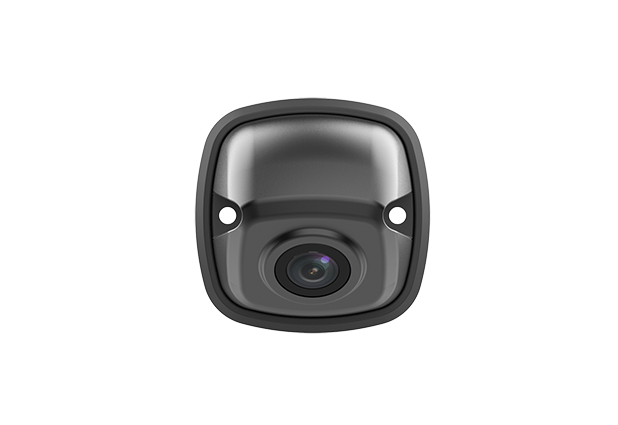
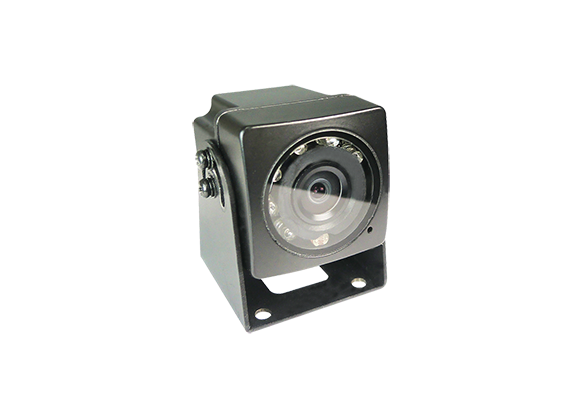
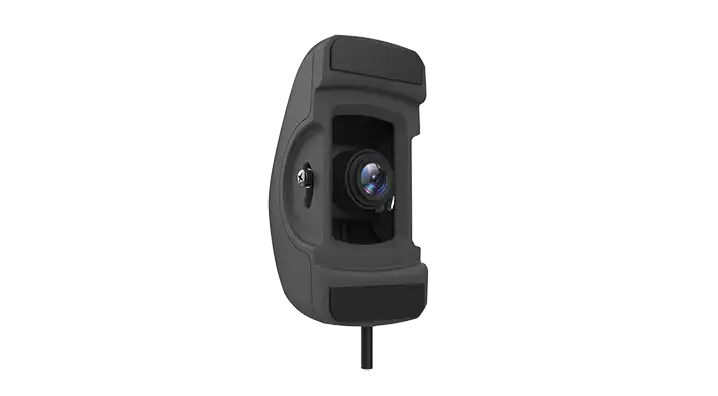
Often called digital mirrors or camera monitor systems, these solutions use cameras to capture external views and transmit them to displays inside the cab. Depending on the design and approval, a system may supplement existing mirrors or replace specified mirror functions. Commercial vehicle installations commonly present main and wide-angle views, helping drivers monitor adjacent lanes, the vehicle’s sides, and approaching traffic.
The distinction between a mirror replacement system and an ordinary vehicle camera kit matters. A reversing camera may provide a useful additional view, but that does not automatically make it suitable for replacing a mandatory mirror. A mirror replacement system must address the relevant visibility, image performance, installation, and approval requirements. Buyers should therefore establish the intended function before comparing camera resolution, screen size, or price.
Commercial vehicles operate in environments where visibility changes constantly. A tractor and semitrailer negotiating a junction faces different challenges from a rigid truck reversing into a loading bay. Rain, darkness, glare, roadside obstacles, and nearby road users can make observation more difficult, while large mirror housings can obstruct parts of the driver’s direct view.
For fleets, electronic rearview mirrors deserve consideration because they change both how external views are captured and where drivers see them. Compact camera housings can reduce the obstruction associated with large mirror assemblies, while displays can present selected views in consistent locations. The practical value depends on the complete installation: camera positioning, image quality, display placement, vehicle geometry, and driver familiarity must work together.
One potential benefit is better observation of areas that are difficult to monitor with a conventional arrangement. Camera placement and lens selection can help present useful views along the vehicle, while some systems offer separate main and wide-angle images. However, a wider image alone does not guarantee better visibility. If objects appear too small, a driver may struggle to recognize a cyclist or judge an approaching vehicle’s position.
Removing bulky mirror housings may also improve direct visibility near the front corners of the cab. Daimler Truck identifies this as a benefit of its MirrorCam installation, particularly at junctions and during maneuvering. That example demonstrates what a vehicle-specific design can achieve; buyers should verify the result from the driver’s seat on their own vehicle types.
A useful evaluation combines two checks: what the driver can see on the displays and what remains visible through the windows. Assessing both reveals whether the system improves the overall observation environment rather than simply relocating the rearward view.
Nighttime performance is a major consideration for fleets running early departures, overnight trunk routes, or poorly lit delivery operations. A suitable camera system can make available visual information easier to interpret, but buyers should assess whether important details remain recognizable. An image that looks bright may still obscure a pedestrian’s outline, produce excessive noise, or lose detail around headlights.
When evaluating electronic rearview mirrors, test contrasting situations: a dark loading yard, headlights approaching from behind, a tunnel exit, and a shaded road beside a bright sky. Observe how quickly the image adapts and whether objects remain visible during the transition. Display brightness also matters. A screen that is comfortable during daylight may become distracting at night if its brightness control is poorly tuned.
High dynamic range and low-light processing are useful capabilities, but they should be demonstrated under representative conditions. Cameras still depend on available light; a brighter screen does not mean a system can reveal unilluminated objects in complete darkness.
Moving the image to an interior display avoids viewing an exterior mirror through a wet side window. Nevertheless, the camera lens remains exposed to the operating environment. Water droplets, road salt, dust, mud, and ice can affect the image, making housing design and lens protection important parts of system performance.
Ask suppliers to explain how camera placement, drainage, heating, and surface treatments work together. A waterproof enclosure protects internal components, but it does not establish that the lens will remain clear during a motorway journey in heavy spray. Likewise, a heater should be assessed for its effectiveness under the temperatures and moisture conditions the fleet actually encounters.
Maintenance procedures should be practical for drivers and workshops. Include lens inspection in the daily vehicle check, establish an appropriate cleaning method, and confirm that cameras can be accessed safely. For construction, quarry, and winter operations, contamination management may be as important as nominal image resolution.
Articulated vehicles introduce a particular visibility challenge because the relationship between the tractor and trailer changes during a turn. A fixed view may provide useful information in one position while making the trailer’s rear harder to observe in another. Some systems address this with image panning or trailer tracking.
For articulated fleets, electronic rearview mirrors should be demonstrated using the combinations the business operates. Test different trailer lengths, coupling arrangements, and tight turning situations. Confirm whether any panning feature is automatic, requires vehicle data, or depends on manual adjustment. Buyers should also observe whether the image changes smoothly and whether drivers can understand the changing view.
These features support observation; they do not alter the trailer’s swept path or reduce its physical off-tracking. Drivers must continue to judge clearance and account for other road users throughout the maneuver.
Replacing large mirror assemblies with smaller camera housings can improve vehicle aerodynamics. The financial value, however, depends on the complete vehicle and its duty cycle. A truck spending much of its working time at sustained road speeds has a different opportunity from a vehicle operating mainly in congested streets or on a construction site.
Avoid transferring a supplier’s headline fuel-saving percentage directly into a fleet budget. Ask how the result was measured, which vehicle configuration was used, and whether the installation replaced the original mirrors. Retaining large mirrors alongside cameras changes the aerodynamic proposition.
Build the business case using fleet-specific assumptions. Include acquisition, installation, maintenance, repairs, training, and downtime, then compare these costs with realistic efficiency scenarios. Treat fuel savings as a benefit to validate through a controlled trial rather than a guaranteed return.
Resolution is useful, but it describes only part of the viewing experience. The driver sees the combined result of the lens, sensor, image processing, transmission path, display, and installation. A high-resolution camera can still produce a poor operational image if glare obscures detail, movement appears delayed, or the display is difficult to read from the normal seating position.
A practical assessment of electronic rearview mirrors should examine complete camera-to-display performance. Ask for end-to-end latency measurements and the conditions under which they were obtained. Check moving vehicles, roadside objects, and pedestrians during both daylight and darkness. Watch for motion blur, freezing, unstable exposure, and distracting transitions.
Display size should also be considered alongside viewing distance and layout. A larger screen is not automatically more effective if it obstructs the windshield or places essential information outside a comfortable glance pattern. Evaluate readability with representative drivers and seating positions.
A camera-based viewing system depends on electrical power and functioning electronic components. Procurement should therefore include an assessment of how the system behaves during startup, signal loss, interrupted power, and component failure. The driver needs to recognize when a required view is unavailable or unreliable.
Ask suppliers to demonstrate fault warnings, recovery behavior, diagnostic access, and component replacement procedures. A clearly communicated failure is different from an image that appears normal while showing outdated information. Workshops should understand how to identify the affected camera, cable, connection, or display and how to confirm that the repaired installation works correctly.
Environmental suitability also extends beyond the camera enclosure. Connectors, cable routing, mounting brackets, and displays must withstand the intended vehicle conditions. Review evidence relevant to vibration, temperature, moisture exposure, and electrical disturbances, and confirm exactly which components and configurations the evidence covers.
Approval should be part of the initial specification. UN Regulation No. 46 addresses devices for indirect vision and their installation on vehicles. ISO 16505 addresses safety, ergonomic, and performance requirements and test procedures for camera monitor systems intended to replace specified rearview mirrors. Referencing a standard is not, by itself, proof that a particular installation is legally approved.
For electronic rearview mirrors, request documentation identifying the approved system configuration, applicable mirror functions, installation conditions, and relevant market. Establish whether the documentation applies to the device, the vehicle installation, or both. Changes to cameras, displays, software, or mounting arrangements should be reviewed against the approved configuration.
Requirements also differ across jurisdictions. For example, FMCSA lists a specific exemption allowing the Stoneridge MirrorEye system to serve as an alternative to the two rear-vision mirrors required by its regulation. This is a system-specific authorization, not blanket permission to substitute any camera kit for mandatory mirrors. Verify the applicable requirements before committing to a rollout.
Drivers accustomed to conventional mirrors must learn a different visual presentation. Screen location, image scale, perceived distance, and automatic view changes can influence how quickly they become comfortable. Training should explain what each view covers, how to interpret reference lines, how adjustments work, and how to recognize faults.
Introduce the system through supervised familiarization before relying on it in demanding operations. Include reversing, lane changes, junctions, and trailer turns where relevant. Give drivers time to practice and provide structured feedback after multiple shifts.
Fleet managers should distinguish between an unfamiliar interface and a persistent usability problem. Repeated reports of unreadable images, uncomfortable display placement, or confusing view changes warrant investigation. Driver feedback is particularly valuable when it identifies a specific condition that a workshop demonstration failed to reproduce.
Before investing in electronic rearview mirrors across a fleet, define what the trial needs to establish. Select representative vehicles, routes, drivers, and weather exposure. Write acceptance criteria before installation so that the decision does not depend only on a memorable demonstration or one driver’s initial reaction.
Measure practical outcomes such as image availability, cleaning frequency, driver-reported visibility issues, installation time, repair effort, and component downtime. Where fuel use is assessed, account for route, load, speed, weather, and other differences that could distort the comparison.
Safety outcomes require careful interpretation. A short trial with no collisions does not prove a reduction in collision risk. Combine operational observations, structured driver assessments, fault records, and relevant incident data to form a more useful picture of suitability.
The supplier’s ability to support a system matters throughout its service life. Ask about replacement-part availability, warranty handling, workshop training, technical documentation, and installation quality control. For fleets operating across regions, consider whether support is accessible where vehicles actually travel.
Require demonstrations using the hardware and software configuration being proposed. Confirm which features are standard, optional, or dependent on additional vehicle interfaces. Recording, remote connectivity, AI warnings, and trailer tracking should each be specified separately because they are not inherent to every digital mirror system.
The strongest purchasing decision connects documented performance with operational evidence. Choose a solution that drivers can use confidently, workshops can maintain efficiently, and the business can deploy within the requirements of its market.
They can replace specified mirror functions where the system and its installation meet the applicable requirements. Permission depends on the market, vehicle, configuration, and approval route. A general-purpose camera and monitor kit should not be assumed to qualify.
They serve different primary purposes. A reversing camera generally provides an additional maneuvering view. A mirror replacement system is designed to provide specified indirect views during vehicle operation, subject to the relevant performance and approval requirements.
No. They can improve particular views and reduce some visibility obstructions, depending on the installation. Coverage remains limited by camera position, vehicle geometry, image presentation, and operating conditions. Drivers still need appropriate observation practices.
Performance depends on the design. Assess lens contamination, heating, image processing, glare control, and display brightness under realistic conditions. Low-light enhancement can improve usable imagery, but cameras cannot reveal every object without sufficient illumination.
An installation that replaces large mirror housings may offer an aerodynamic benefit. Actual savings depend on the vehicle and duty cycle. Validate the expected benefit using a representative trial and include installation, maintenance, and repair costs in the calculation.
Not necessarily. Live viewing, video recording, and AI detection are separate capabilities. Confirm what the proposed system includes, how additional features operate, and whether they affect the display of essential driving views.
Prioritize market suitability, usable visibility, image performance, reliability, driver ergonomics, and service support. Compare complete installed systems under representative conditions, supported by documentation and a structured fleet trial.